
Man and a Baby
2017
No user ratings available yet
Representation score: 4.1 out of 10
Representation Score
Limited
1979
Director
Lasse Hallström
Runtime
103 minutes
Average Rating
No ratings yetNew Showbiz Analysis
Father to Be is a character-driven comedy focused on the personal transitions of unplanned parenthood. It functions primarily as a study of domestic evolution and individual emotional landscapes rather than a critique of systemic social hierarchies. The film offers a nuanced look at masculine vulnerability, specifically through the protagonist's fear of losing career mobility and social freedom. This provides a slight challenge to traditional patriarchal roles, even if the broader framework remains conventional. Ultimately, the work reflects the demographic and social realities of 1979 Sweden. It lacks depth in addressing multiple aspects of identity or intentionally challenging established cultural, racial, or identity-based norms.
Category Breakdown
The film follows a typical romantic storyline between a male protagonist and a female partner. It stays within traditional social norms without exploring diverse gender identities.
The story challenges the stereotype of the stoic patriarch by focusing on a man's anxiety about becoming a father. However, it remains rooted in conventional gender dynamics and power structures.
Set in a 1970s Swedish urban environment, the casting reflects the demographic homogeneity of the time. There is no indication of intentional racial diversity.
The narrative portrays a secular, middle-class Swedish lifestyle centered around the nuclear family. It does not actively engage in critiques of Western institutions.
There are no visible or invisible disabilities portrayed as central to the character arcs or driving the narrative.
Present on Screen
Limited or Absent
Official Synopsis
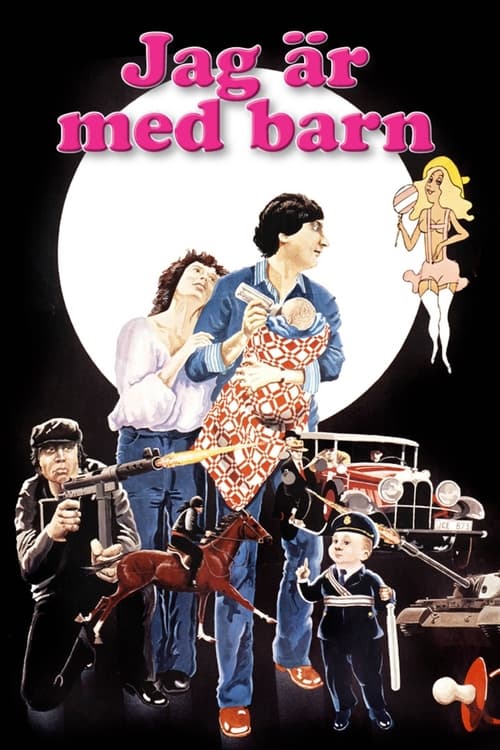
Bosse works at an advertising agency while working on the novel of the century. At a burger restaurant he meets Lena, and before he knows it, she is pregnant. Bosse starts thinking that his life is all over, he won't get any more career opportunities, and never again will he have time for late night parties.
2017

2013

2020
1985
1975
1987
1998

1995
No reviews yet. Be the first to share your thoughts on this movie!
Use the rating form above to leave a star rating and optional review.