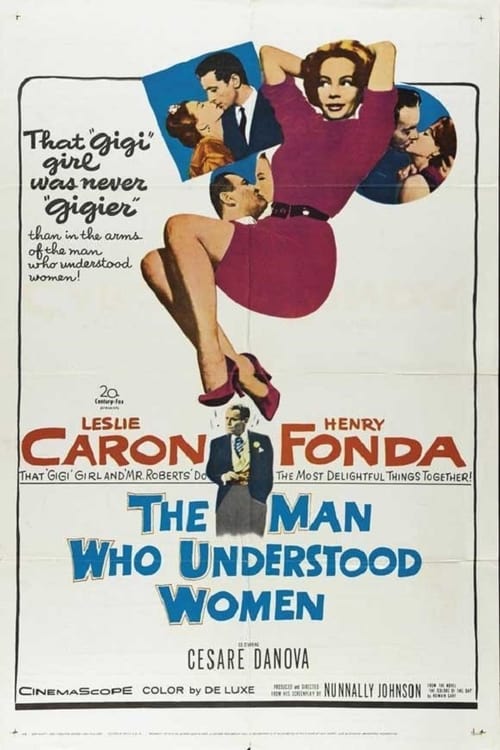
The Man Who Understood Women
1959
No user ratings available yet
Representation score: 0.4 out of 10
Representation Score
Minimal
1958
ApprovedDirector
Hal Kanter
Runtime
85 minutes
Average Rating
No ratings yetNew Showbiz Analysis
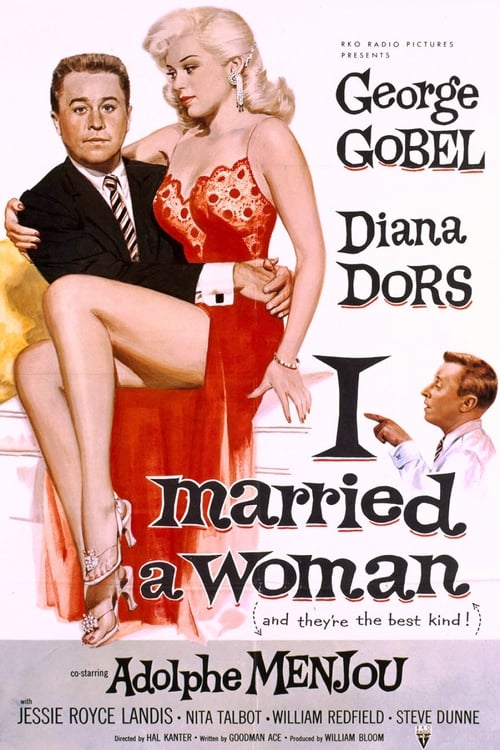
I Married a Woman is a typical mid-century romantic comedy that upholds the social structures of its time. The story focuses on a white, upper-middle-class professional environment, offering limited racial or cultural diversity. Gender dynamics are portrayed through a lens where femininity disrupts the social order managed by masculine professional stability. The male protagonist's career and status drive the narrative, while the female character serves as a foil to his professional life. Overall, the film lacks intentional representation of LGBTQ+ individuals or those with disabilities, adhering closely to the conventions of the 1950s studio system.
Category Breakdown
The film does not include any LGBTQ+ characters or narratives. The romantic storyline centers on a traditional heterosexual relationship without challenging conventional gender roles.
The narrative explores the tension between professional success and domestic life. The female character disrupts the social order, but her ability to act is secondary to the male executive's struggle to maintain his status.
The film features a predominantly white cast focused on an upper-middle-class social circle. There is no representation of characters from diverse racial backgrounds.
The story is set in a mid-century capitalist environment centered on the advertising industry. It reinforces traditional Western social customs and professional conduct without questioning these institutions.
The film does not feature any characters with visible or invisible disabilities. There is no engagement with themes related to neurodivergence or mental health.
Present on Screen
Limited or Absent
Official Synopsis
Advertising executive Marshall Briggs finds his work in conflict with his love-life with fashion model Janice Blake.
1959
1958
1951

1965
1948
1961
1947
1959
No reviews yet. Be the first to share your thoughts on this movie!
Use the rating form above to leave a star rating and optional review.