La dama del velo
1949
No user ratings available yet
Representation score: 2.0 out of 10
Representation Score
Minimal
1960
Director
José Luis Sáenz de Heredia
Runtime
105 minutes
Average Rating
No ratings yetNew Showbiz Analysis
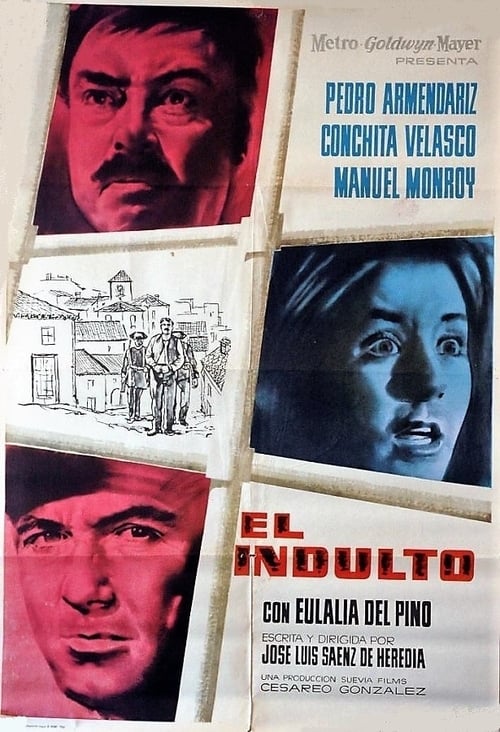
El indulto is a period drama deeply rooted in the rigid social hierarchies of 1906 Spain. The film’s structure prioritizes the preservation of traditional honor and institutional power over diverse representation. While it provides a tragic look at female victimization under patriarchal rule, it does so through a melodramatic lens, functioning within the moral constraints of the Francoist era rather than seeking to challenge them. Ultimately, the film presents a homogeneous world, lacking multi-layered depth and focusing on the cyclical nature of legal pardons and the domestic struggles of a single, traditional social unit.
Category Breakdown
The film does not include any LGBTQ+ identities or queer subtext. It focuses solely on traditional marital units and upholding social honor.
Antonia faces severe patriarchal violence and a forced marriage to maintain her social status. Although she tries to take control with Pedro, her autonomy remains threatened by Lucas.
Set in a small Spanish village in 1906, the cast appears uniform with no evidence of racial blending or non-white characters.
The story adheres to strict traditional morality and institutional power. It centers on personal honor without questioning the underlying religious or social structures of the time.
There is no evidence of characters with visible or invisible disabilities in the narrative or historical context.
Present on Screen
Limited or Absent
Official Synopsis
Spain, 1906: in a small village and pregnant after having been raped, Antonia is forced to marry the brutal Lucas to save her honor. But the mother of the girl pays Lucas 20,000 reales so that the man will never get any closer to Antonia or the child to be born. The man's bad temper will take him to jail and Antonia will try to remake his life with Pedro, Luca's brother. However, despite how far they may go, the couple are distressed at the prospect of Lucas being pardoned and seeking them after leaving prison.
1949

1964
1950
1984
1963
1961
1949

1965
No reviews yet. Be the first to share your thoughts on this movie!
Use the rating form above to leave a star rating and optional review.