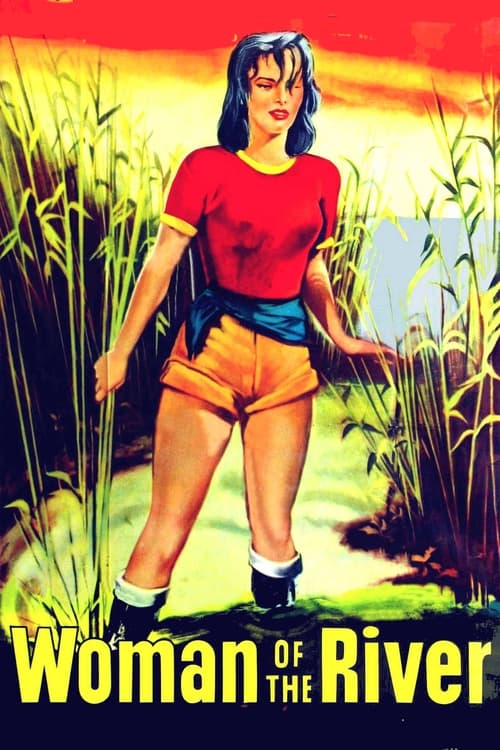
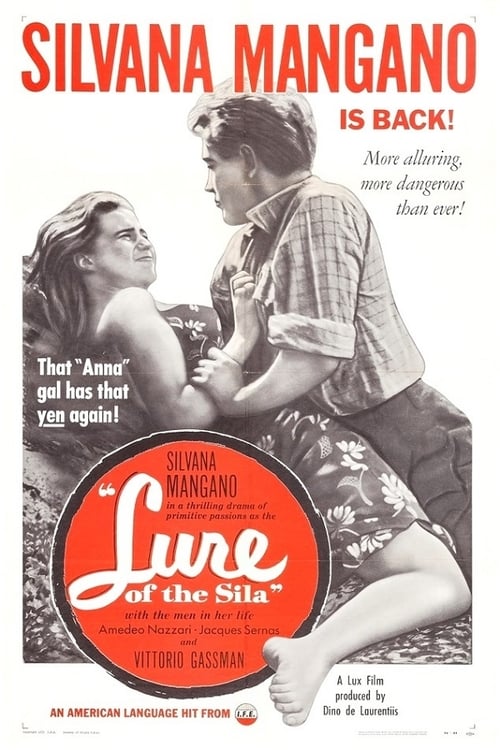
Woman of the River
1954
No user ratings available yet
Representation score: 2.1 out of 10
Representation Score
Limited
1949
Director
Duilio Coletti
Runtime
75 minutes
Average Rating
No ratings yetNew Showbiz Analysis
Lure of the Sila is a localized melodrama that emphasizes thematic depth over broad demographic representation. It serves as a critique of how social hierarchies and the maintenance of reputation can be tools of systemic oppression. The film's strength lies in its narrative complexity, particularly in how it challenges the idea of restorative justice. However, the work remains culturally specific to its time and place, lacking representation of non-straight or non-cisgender identities, racial diversity, or disability, adhering strictly to the homogeneous social context of post-war Italy.
Category Breakdown
The film centers on heterosexual relationships and traditional family roles. It does not include any representation of non-straight or non-cisgender identities.
Female characters such as Orsola and Rosaria play key roles in driving the plot and emotions. Rosaria challenges the passive victim stereotype through her strategic pursuit of revenge.
Set in the Sila region, the film reflects the demographic realities of 1949 Italy, which is predominantly white. It does not address racial diversity or multi-layered identity issues.
The narrative criticizes traditional institutions, showing the legal system as lethal and the family structure as complicit and silent.
There are no depictions of physical or neurological disabilities that affect the narrative.
Present on Screen
Limited or Absent
Official Synopsis
Returning home after a night of love spent in a woodman's hut with Orsola, Pietro is arrested by the police for a crime he did not commit. His mother and youngest sister, Rosaria, go to Orsola begging her to provide Pietro with the alibi that will clear him. But Rocco, Orsola's brother, dreading a family scandal, constrains Orsola to silence. Condemned despite his innocence, Pietro escapes from prison, but the police track him down and kill him, and his mother, before the eyes of Rosaria. Years pass, and one day Rocco stumbles upon a half-frozen young woman lying in the snow. He takes her home and confides her to the care of Orsola. Later, yielding to the pleas of Orsola, Rocco and Rocco's son, Salvatore, the girl stays on in the house, and Salvatore falls in love with the beautiful stranger, who is careful to keep the family members from learning she is Rosaria, the grown up sister of Pietro seeking revenge for the deaths of her brother and mother.
1954

1949
1950
1964
1958

1956
1950
1923
No reviews yet. Be the first to share your thoughts on this movie!
Use the rating form above to leave a star rating and optional review.