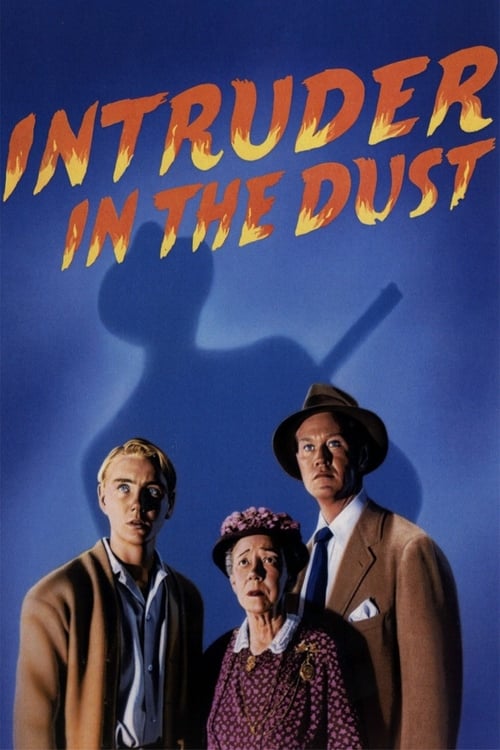
Intruder in the Dust
1949
No user ratings available yet
Representation score: 3.0 out of 10
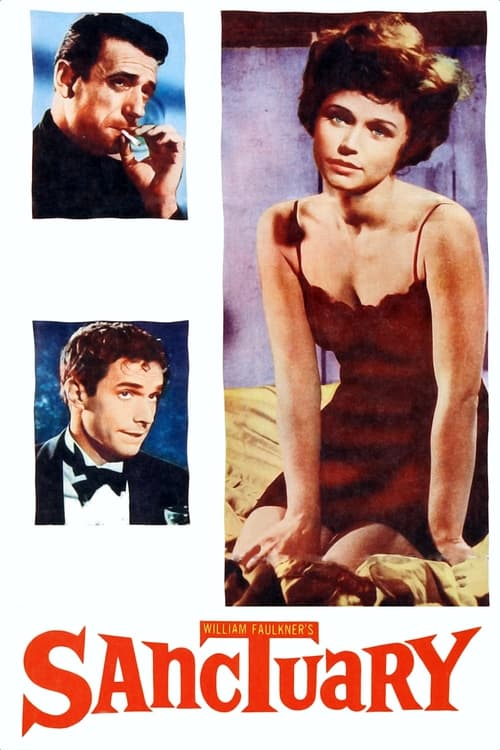
Representation Score
Fair
1961
Director
Tony Richardson
Runtime
90 minutes
Average Rating
No ratings yetNew Showbiz Analysis
Sanctuary serves as a deconstruction of the rigid social and moral hierarchies prevalent in the early 20th-century American South. It replaces traditional moral absolutes with a complex, situational ethics that questions the legitimacy of the institutions depicted. The film's strength lies in its thematic subversion. By highlighting racial injustice and sexual transgression, it undermines the perceived moral superiority of the ruling class and exposes systemic biases. However, the film is limited by its period setting and lack of LGBTQ+ representation. The narrative remains focused on heterosexual power dynamics and transactional social structures.
Category Breakdown
The film does not include any explicit LGBTQ+ characters or explore non-straight relationships. It focuses solely on heterosexual power dynamics and relationships.
Temple Drake presents a nuanced portrayal of gendered power dynamics. The film challenges the expectation of female passivity by showing how women can navigate and manipulate patriarchal structures for their benefit.
The story highlights systemic racial injustice by focusing on an African-American woman's legal battle. It underscores the precarious nature of Black life within the Southern judicial system.
The film critiques the hypocrisy of Southern honor and the family unit. Traditional Western institutions are portrayed as corrupt, and the narrative emphasizes a critique of class-based morality.
There are no significant depictions of physical or neurodivergent disabilities that play a key role in the narrative.
Present on Screen
Limited or Absent
Official Synopsis
In 1920s rural Mississippi, Nancy Mannigoe, an African-American servant, is placed on death row for the murder of Temple Drake's infant child. Temple, the daughter of the governor, pleads with her father to exonerate Nancy of the charges, explaining that Nancy acted in haste to prevent her from resuming her affair with a roguish Cajun called Candy Man. Details of Temple's sordid past are uncovered as she begs mercy for her faithful servant.
1949

1950

1951

1964
1952

1958

1985

1965
No reviews yet. Be the first to share your thoughts on this movie!
Use the rating form above to leave a star rating and optional review.