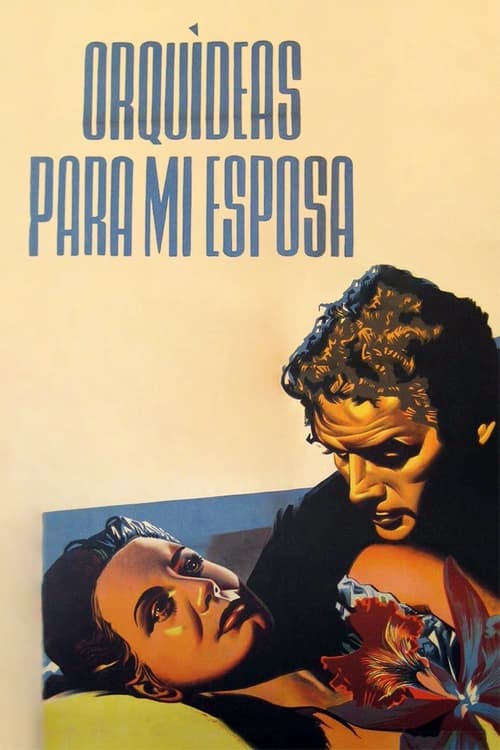
Orquídeas para mi esposa
1954
No user ratings available yet
Representation score: 2.7 out of 10
Representation Score
Limited
1949
Director
Alfredo B. Crevenna
Runtime
105 minutes
Average Rating
No ratings yetNew Showbiz Analysis
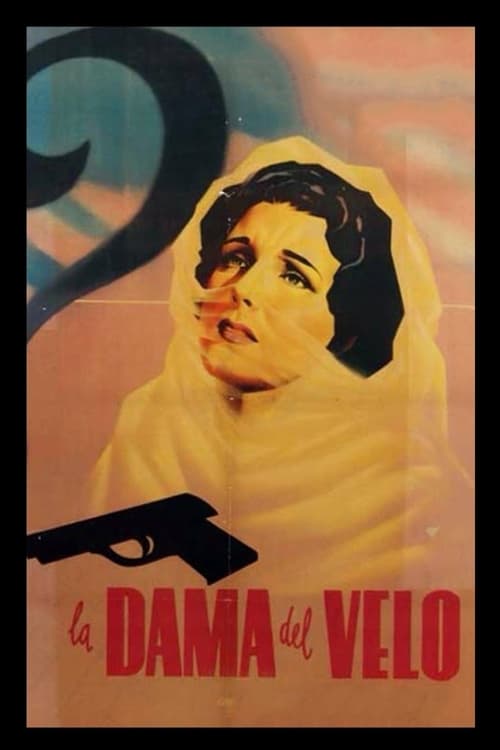
La dama del velo is a product of the Golden Age of Mexican cinema, adhering strictly to the melodramatic structures of its era. The story centers on a cycle of love, crime, and marital transition, reinforcing the social and moral codes of 1949. The film operates within established social norms, prioritizing individual melodrama over the disruption of systemic power dynamics. It lacks intentional diversity in terms of LGBTQ+ identities or multi-layered racial representation. Ultimately, the work reflects the period-specific conventions of its time. It provides a standard regional demographic but does not attempt to challenge the traditional hierarchies of the era.
Category Breakdown
The film does not include any characters with non-binary gender identities or sexual orientations. The plot revolves around traditional romantic relationships and marriage, reflecting the societal norms of 1949.
The protagonist faces significant life changes, but her journey is driven by male-centric events. The story follows traditional domestic drama clichés rather than challenging gender hierarchies.
As a Mexican production, the film showcases a predominantly Mexican cast. However, the representation appears uniform within the national identity without pursuing a more diverse approach.
The narrative highlights traditional social institutions such as marriage and legal order. It focuses on conventional social stability rather than exploring secular or anti-Western themes.
There are no characters with visible or invisible disabilities featured in the narrative.
Present on Screen
Limited or Absent
Official Synopsis
Andrea loves Esteban. Esteban murders his wife and goes go jail. Andrea marries Esteban's lawyer. Twenty years later...
1954
1943
1954
1960
1960
1950

1939
1952
No reviews yet. Be the first to share your thoughts on this movie!
Use the rating form above to leave a star rating and optional review.