Agony
2023
No user ratings available yet
Representation score: 6.4 out of 10
Representation Score
Fair
1965
Director
Henry Barakat
Runtime
105 minutes
Average Rating
No ratings yetNew Showbiz Analysis
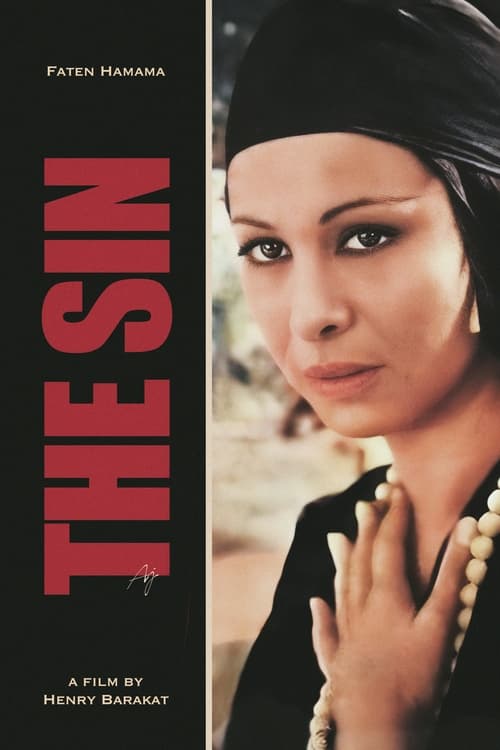
The Sin is a heavy social drama that examines the intersection of socioeconomic instability and bodily autonomy. It succeeds in centering the female experience and critiquing the systemic vulnerabilities of the Egyptian working class. While the film offers a culturally specific perspective that avoids a Western-centric gaze, it remains limited by the social and narrative constraints of 1960s melodrama. The focus is primarily on class and gendered trauma rather than multi-layered racial or identity-based diversity. Ultimately, the film functions as a critique of social structures, shifting the moral weight from the individual to the institutions that fail to protect underrepresented laborers.
Category Breakdown
The film does not include any LGBTQ+ characters or narratives. The story focuses solely on a tragedy involving a heterosexual relationship.
Aziza's experience of trauma and her subsequent role in driving the story challenge traditional gender hierarchies. The film highlights female vulnerability within patriarchal labor structures rather than domestic ideals.
The film centers on Egyptian rural workers, providing a non-Western perspective. While the cast is ethnically homogeneous, it critiques internal class hierarchies through the laborer experience.
The narrative critiques social and institutional stability rather than individual morality. It frames the protagonist's struggle as a systemic failure of protection and class equity.
There is no documented evidence regarding the portrayal of physical or neurodivergent disabilities in this work.
Present on Screen
Limited or Absent
Official Synopsis
Aziza and her husband Abdullah are both day laborers who work on various farms. When Aziza is brutally raped by a guard while she is picking potatoes in a field, she tries to hide the pregnancy and plans to kill the baby once it is born.
2023

1929

1991

1956
1983
1970

1968

1973
No reviews yet. Be the first to share your thoughts on this movie!
Use the rating form above to leave a star rating and optional review.