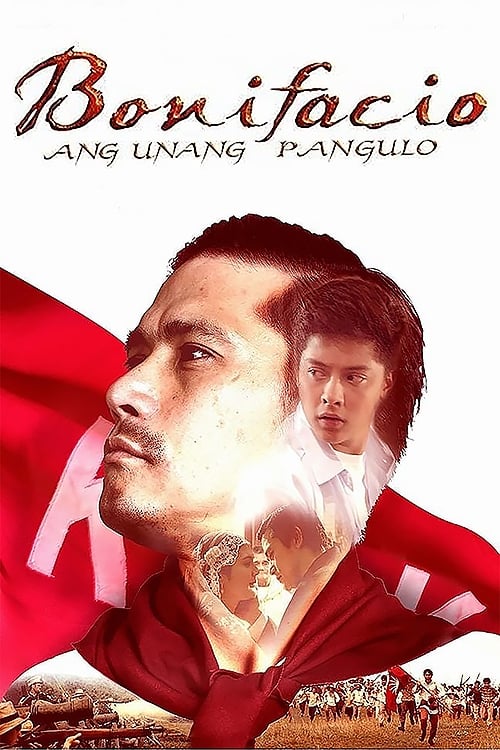
Bonifacio: Ang Unang Pangulo
2014
No user ratings available yet
Representation score: 3.5 out of 10
Representation Score
Limited
2023
Director
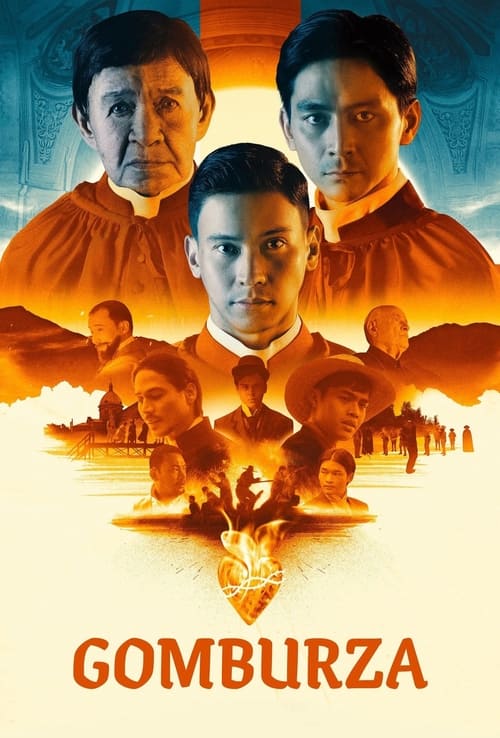
Pepe Diokno
Runtime
110 minutes
Average Rating
No ratings yetNew Showbiz Analysis
GomBurZa is a sophisticated post-colonial drama that prioritizes the reclamation of indigenous identity. It succeeds by deconstructing the power dynamics of Spanish colonial rule and highlighting the struggle for institutional ability to act among the Filipino clergy. However, the film's impact is limited by its narrow demographic focus. The narrative operates within the patriarchal constraints of its era, leaving women's ability to drive the story largely unexamined and offering no representation for LGBTQ+ identities. Ultimately, the film's strength lies in its racial and cultural critique. It uses historical tension to challenge Western hegemony, even if it remains confined to a traditional, male-centric social framework.
Category Breakdown
The film focuses strictly on the clerical and political struggles of the 19th century. There is no presence of LGBTQ+ identities or queer subtext within the narrative.
The film concentrates power almost exclusively in male figures, such as priests and colonial officials. It reinforces traditional gender hierarchies by centering the struggle within a male-dominated sphere.
The film excels by centering Filipino secular priests against Spanish colonial classes. It effectively highlights systemic exclusion and disrupts a Eurocentric historical lens through ethnic tension.
The narrative critiques the corruption of Western institutional power and religious hierarchies. It frames the martyrdom of the priests as a catalyst for national awakening against imperialist authority.
There are no prominent depictions of physical or neurodivergent disabilities used as central character traits or plot devices.
Present on Screen
Limited or Absent
Official Synopsis
A powerful and moving historical drama that tells the courageous story of three Filipino Catholic priests: Mariano Gomez, José Burgos, and Jacinto Zamora.
2014
2012
2005

2016
2017
2016
1977
2009
No reviews yet. Be the first to share your thoughts on this movie!
Use the rating form above to leave a star rating and optional review.