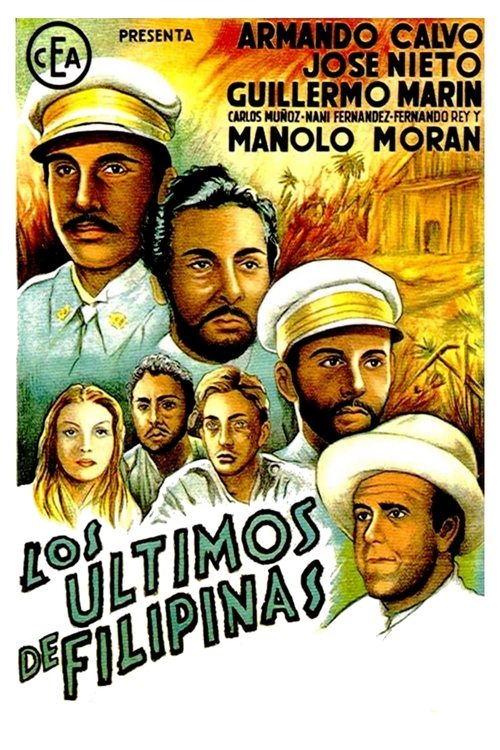
Los últimos de Filipinas
1945
No user ratings available yet
Representation score: 1.6 out of 10

Representation Score
Minimal
2016
PG-13Director
Salvador Calvo
Runtime
130 minutes
Average Rating
No ratings yetNew Showbiz Analysis
This historical drama prioritizes period accuracy and military narrative over progressive representation. It functions as a traditional reconstruction of a 19th-century siege, adhering to the social hierarchies of the era. The film's perspective is inherently colonial, centering the Spanish experience amidst a conflict with Filipino and American forces. While it captures the reality of the time, it does not attempt to deconstruct racial or gendered power structures. Ultimately, the work offers a standard depiction of colonial-era conflict. It maintains conventional social frameworks, providing a narrow view of the historical event through a strictly military lens.
Category Breakdown
The film does not include any LGBTQ+ characters or stories that challenge the assumption that everyone is straight or cisgender. It focuses on a 19th-century military setting where such characters are not present.
The story revolves around a male-dominated military unit. While there are civilian characters, the main plot drivers are the Spanish soldiers within traditional masculine hierarchies.
The film depicts a conflict between Spanish colonial forces and Filipino revolutionaries. However, the perspective remains centered on the Spanish experience, without considering multiple aspects of identity.
The film portrays a traditional military unit bound by national identity and duty. It focuses on institutional endurance rather than critiquing Western structures or imperial decline.
There is no focus on visible or invisible disabilities. Characters are defined almost exclusively by their military roles and survival during the siege.
Present on Screen
Limited or Absent
Official Synopsis
The Philippines, 1898. Fifty Spanish soldiers arrive in the small village of Baler to rebuild an outpost. Although the war against the Filipinos and their American allies is almost lost, as is the Spanish Empire, the garrison will endure a cruel siege for eleven months. They will be the last to surrender.
1945
1961

2023
2020

2020

2020

2018

2013
No reviews yet. Be the first to share your thoughts on this movie!
Use the rating form above to leave a star rating and optional review.