Bonifacio: Ang Unang Pangulo
2014
No user ratings available yet
Representation score: 3.5 out of 10
Representation Score
Good
2005
Director
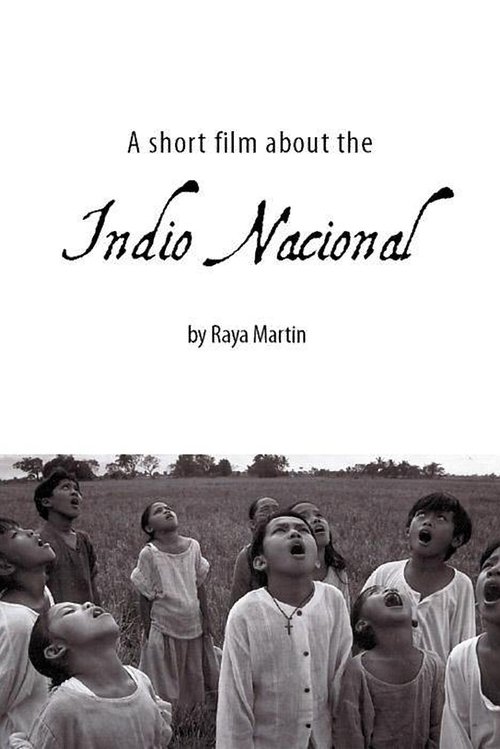
Raya Martin
Runtime
97 minutes
Average Rating
No ratings yetNew Showbiz Analysis
Raya Martin’s film is a significant piece of decolonial cinema that centers the colonized subject's evolution. Using a silent, black-and-white aesthetic to depict the 1890s Filipino revolution, the work challenges the historical erasure of the common man. The film excels in racial and cultural representation, reclaiming ability to act from Spanish colonial structures. It uses the protagonist's progression through different life stages to critique Western cultural imposition and religious authority. While the film is strong in ethnic reclamation, it lacks specific evidence regarding LGBTQ+ or disability representation. The focus on a single male protagonist also limits the exploration of gender diversity.
Category Breakdown
The film explores a character's life stages but does not provide specific examples of LGBTQ+ relationships or gender non-conformity.
The story follows a male protagonist through various life stages, which might reinforce traditional gender roles. However, the revolutionary setting provides opportunities to challenge these roles.
The film centers the 'Indio' as the main character, actively challenging Eurocentric historical cinema. It prioritizes a non-Anglo-Saxon perspective, reclaiming the historical gaze from Spanish colonial power.
The story critiques colonial institutions by tracing a character's journey from a church bell ringer to a revolutionary. This arc deconstructs the influence of religious and colonial authority.
There is no mention of characters navigating physical, sensory, or neurodivergent conditions within the narrative.
Present on Screen
Limited or Absent
Official Synopsis
What follows is a black-and-white silent film set in the 1890s during the brewing Filipino revolution against Spanish colonialism. A series of tragic and comic sequences tells the Three Ages of an Indio (“common man”) as he progresses from boy bell ringer in a village church to teenage revolutionary to adult theater actor rehearsing a popular Spanish play.
2014
1964
1976

2016
2023

1909
1984
2010
No reviews yet. Be the first to share your thoughts on this movie!
Use the rating form above to leave a star rating and optional review.