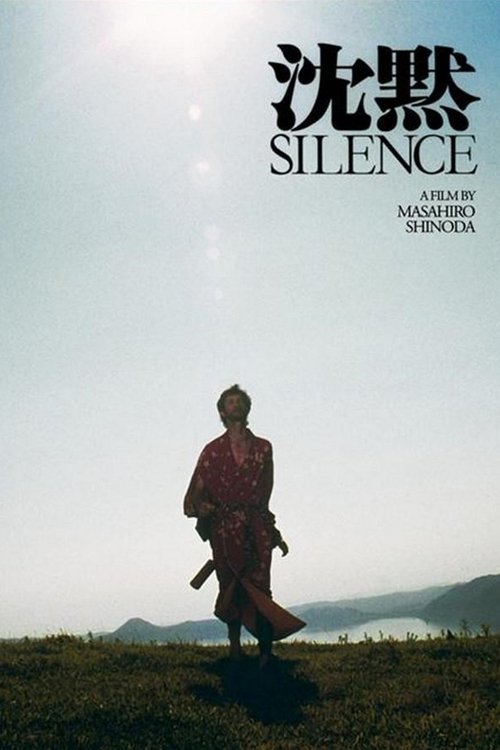
Silence
1971
No user ratings available yet
Representation score: 4.8 out of 10
Representation Score
Limited
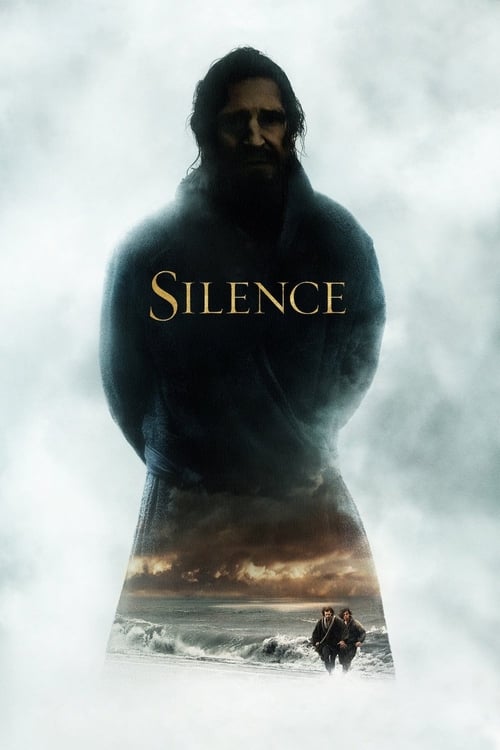
2016
RDirector
Martin Scorsese
Runtime
161 minutes
Average Rating
No ratings yetNew Showbiz Analysis
Silence is a complex historical drama that focuses on challenging Western dominance over traditional demographic representation. While it lacks LGBTQ+ and women's ability to drive the story, it successfully portrays Japanese sovereignty and resistance to foreign influence. The film avoids the 'civilizing mission' cliché by presenting the Tokugawa Shogunate as a protective force against external threats. This creates a nuanced tension between Western expansion and Eastern resistance. Ultimately, the film's strength lies in its intellectual depth regarding post-colonial power dynamics, despite its traditional patriarchal structure.
Category Breakdown
The film does not include any LGBTQ+ characters or narratives, maintaining an assumption that everyone is straight or cisgender.
Male characters dominate the story, driving the main conflicts. Female characters have little influence or intellectual depth.
The film portrays the Japanese population as sophisticated and sovereign, avoiding stereotypes and highlighting the complexities of post-colonial encounters.
The story critiques Western institutions, emphasizing human empathy and moral relativism rather than strict religious adherence.
The film depicts physical and psychological trauma as consequences of persecution but does not focus on disability or neurodivergence as primary identity markers.
Present on Screen
Limited or Absent
Official Synopsis
In the 17th century, two Portuguese Jesuit priests travel to Japan in an attempt to locate their mentor, who is rumored to have committed apostasy, and to propagate Catholicism.
1971
1971
1997

1953
1993

1979
2006

2012
No reviews yet. Be the first to share your thoughts on this movie!
Use the rating form above to leave a star rating and optional review.