Bloody Sunday
2002
No user ratings available yet
Representation score: 4.7 out of 10
Representation Score
Minimal
2012
RDirector
Dean Wright
Runtime
145 minutes
Average Rating
No ratings yetNew Showbiz Analysis
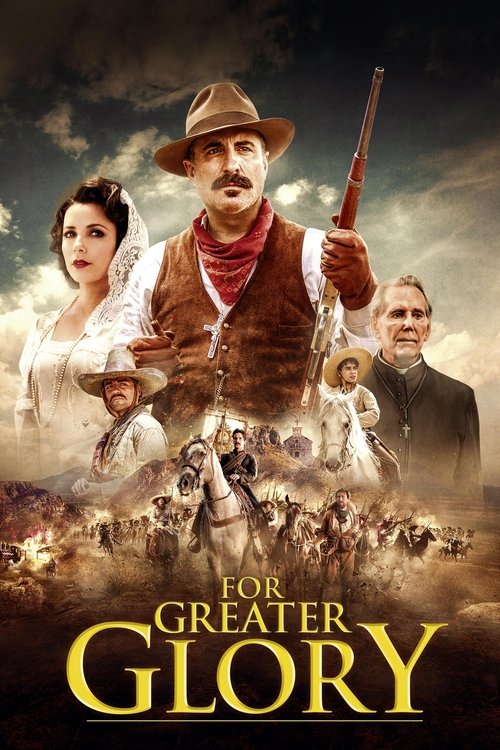
For Greater Glory excels in providing a historically authentic portrayal by emphasizing Mexican ethnic identity. By focusing on rural, indigenous, and mixed-race communities, it avoids the typical Anglo-centric perspective found in many Hollywood epics. However, the film's themes are deeply conservative. It reinforces traditional social hierarchies and uses religious morality as an absolute truth, rather than exploring diverse viewpoints or moral relativism. Ultimately, the film’s dedication to upholding traditional institutions like the Church and the nuclear family limits its exploration of contemporary social diversity.
Category Breakdown
The film focuses on traditional religious and family structures. It does not include any representation of non-straight or non-cisgender identities or stories that question the idea that everyone is straight or cisgender.
Women are shown in maternal or supportive roles within the family. The story highlights historical gender roles rather than challenging traditional hierarchies.
The film showcases a mostly Mexican cast that mirrors the demographic makeup of the Cristero movement. It centers on rural, indigenous, and mixed-race communities.
The story portrays the state as an oppressive force against religious identity. It uses a single, foundational religious morality as the main driver of character actions.
There are no characters with visible or invisible disabilities that serve as central narrative drivers.
Present on Screen
Limited or Absent
Official Synopsis
A chronicle of the Cristeros War (1926-1929), which was touched off by a rebellion against the Mexican government's attempt to secularize the country.
2002

1953
2011
1966

2016
2003
2008
2004
No reviews yet. Be the first to share your thoughts on this movie!
Use the rating form above to leave a star rating and optional review.