Paradise Lost: The Child Murders at Robin Hood Hills
1996
No user ratings available yet
Representation score: 2.9 out of 10
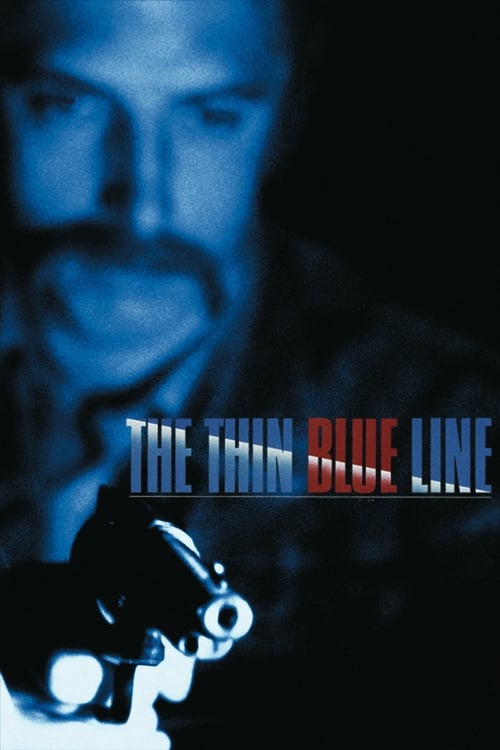
Representation Score
Minimal
1988
NRDirector
Errol Morris
Runtime
103 minutes
Average Rating
No ratings yetNew Showbiz Analysis
The Thin Blue Line is a groundbreaking documentary that emphasizes the deconstruction of institutional authority over demographic representation. Its strength lies in its sophisticated critique of the Western legal system and its ability to reveal the flaws of state institutions through stylized reenactments. However, the film lacks traditional diversity. The narrative is heavily centered on white male figures, reflecting the specific social and legal context of 1970s Dallas without actively seeking to include or challenge gendered or racial hierarchies. Ultimately, the film's impact is intellectual and systemic rather than social.
Category Breakdown
The film does not feature any LGBTQ+ characters or themes. The storyline focuses solely on the criminal investigation and legal proceedings surrounding a murder case.
Gender roles are mostly secondary to the main investigation. The story is driven by male figures, including the victim, the accused, and the investigators.
The film centers on a legal case involving white characters in 1970s Dallas. It does not delve into multi-layered identities or racial dynamics.
The film effectively critiques Western institutional authority. It portrays legal and policing institutions as flawed and highlights how subjective truths are shaped by institutional pressures.
The film does not prominently depict physical or neurodivergent disabilities. Such traits do not serve as central narrative drivers within the film.
Present on Screen
Limited or Absent
Official Synopsis
One night in November 1976, after his car breaks down on a road outside Dallas, Randall Dale Adams accepts a ride from teenager David Harris. Harris is driving a stolen vehicle and, later that night, when Dallas police officer Robert Wood pulls the car over to check its headlights, he is shot and killed. A jury believes Adams is the killer, but stylized reenactments and interviews with key figures, conflicting testimonies and evidence are presented to argue that Adams was framed by a corrupt justice system, ultimately leading to his exoneration.
1996
2000

2008
2011

2016

2017

2017
2012
No reviews yet. Be the first to share your thoughts on this movie!
Use the rating form above to leave a star rating and optional review.