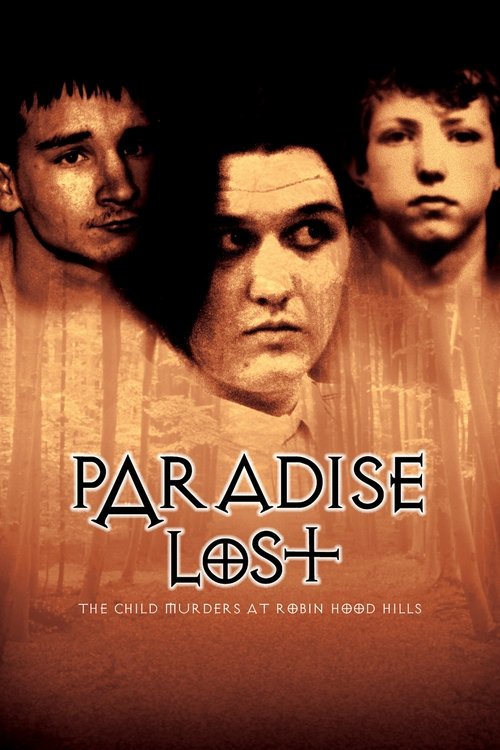
Paradise Lost: The Child Murders at Robin Hood Hills
1996
No user ratings available yet
Representation score: 2.9 out of 10

Representation Score
Fair
2008
NRDirector
Kurt Kuenne
Runtime
94 minutes
Average Rating
No ratings yetNew Showbiz Analysis
Dear Zachary is a powerful piece of advocacy filmmaking that prioritizes personal, subjective truth over institutional mandates. It succeeds as a sophisticated critique of established societal structures, particularly by highlighting the failures of Western legal systems. However, the film lacks traditional demographic diversity. The narrative is centered on a homogeneous cast, offering no representation for LGBTQ+ identities or significant racial and ethnic diversity. While it does not focus on physical or neurodivergent disabilities, it effectively explores the psychological impact of trauma.
Category Breakdown
The documentary focuses on a relationship and biological lineage that assumes everyone is straight. It does not include any representation of LGBTQ+ identities or narratives that critique the assumption that everyone is straight.
The story centers on a conflict between maternal rights and paternal legacy. It shows a breakdown of the traditional family unit where the male figure is passive and has little control over events.
The subjects in the film are mostly of similar backgrounds, focusing on a legal struggle between Canadian and American citizens. There is no significant emphasis on racial or ethnic diversity.
The film excels in its critique of Western institutional frameworks. It portrays the American legal and family court systems as flawed, biased, and unable to uphold true justice.
The film provides a vivid depiction of psychological trauma and the mental health toll of systemic oppression. Grief and emotional instability serve as central, invisible character arcs.
Present on Screen
Limited or Absent
Official Synopsis
In 2001, Andrew Bagby, a medical resident, is murdered not long after breaking up with his girlfriend. Soon after, when she announces she's pregnant, one of Andrew's many close friends, Kurt Kuenne, begins this film, a gift to the child.
1996
2000
2017
1988
2021

2020
2016
2012
No reviews yet. Be the first to share your thoughts on this movie!
Use the rating form above to leave a star rating and optional review.