
78/52
2017
No user ratings available yet
Representation score: 0.3 out of 10
Representation Score
Fair
2012
Not RatedDirector
Rodney Ascher
Runtime
103 minutes
Average Rating
No ratings yetNew Showbiz Analysis
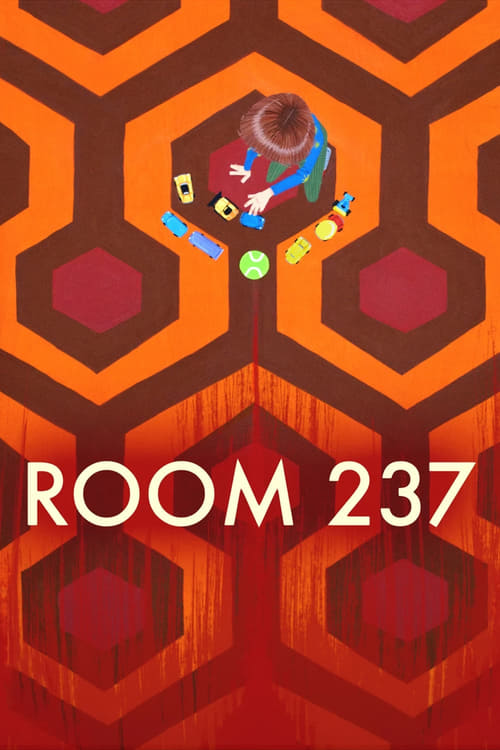
Room 237 operates as a postmodernist deconstruction of cinematic canon rather than a character-driven narrative. Its primary value lies in its intellectual architecture, which encourages viewers to reject objective authority in favor of subjective, interpretive truth. While the film lacks direct engagement with LGBTQ+ or gender-based identity politics, it succeeds in its cultural approach. By linking imagery to systemic historical traumas, it disrupts passive viewing habits. Ultimately, the documentary is a study of symbolism and semiotics. It prioritizes the interrogation of 'the system' through scholarly discourse rather than traditional representation of underrepresented identities.
Category Breakdown
The documentary does not include any LGBTQ+ characters or narratives. It focuses on scholarly interviews without providing a platform for queer identity representation or challenging the assumption that everyone is straight.
The film does not actively challenge traditional gender roles. While interviewees provide various perspectives, it functions primarily as an intellectual exercise rather than a narrative focused on gender issues.
The film features a diverse array of scholars and theorists. It facilitates the exploration of historical traumas, such as connections between the source material and the Holocaust.
The work excels by treating classic texts as sites of subjective meaning. It rejects singular truths in favor of identity-based readings and systemic critiques of traditional structures.
There is no intentional focus on disability representation. Psychological breakdowns in the analyzed film are treated as semiotic puzzles rather than explorations of neurodivergence or mental health.
Present on Screen
Limited or Absent
Official Synopsis
A subjective documentary that explores various theories about hidden meanings in Stanley Kubrick's classic film The Shining. Five very different points of view are illuminated through voice over, film clips, animation and dramatic reenactments.
2017
2012

2016
1995

2022

2010
2016

2019
No reviews yet. Be the first to share your thoughts on this movie!
Use the rating form above to leave a star rating and optional review.