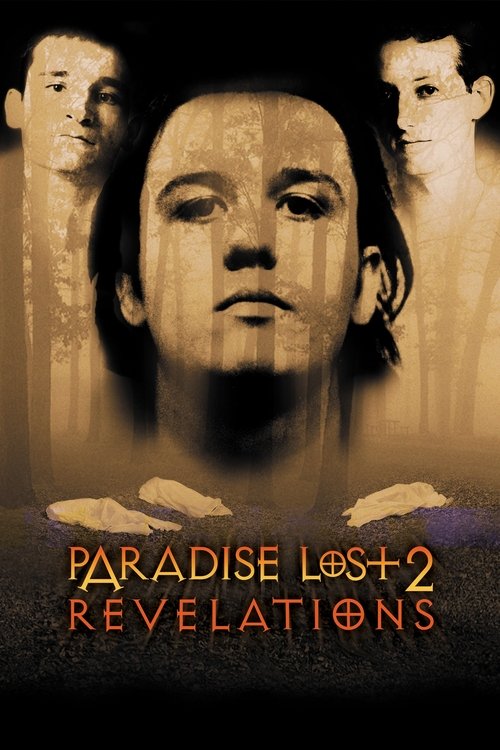
Paradise Lost 2: Revelations
2000
No user ratings available yet
Representation score: 2.5 out of 10
Representation Score
Limited
1996
Not RatedDirector
Bruce Sinofsky, Joe Berlinger
Runtime
150 minutes
Average Rating
No ratings yetNew Showbiz Analysis
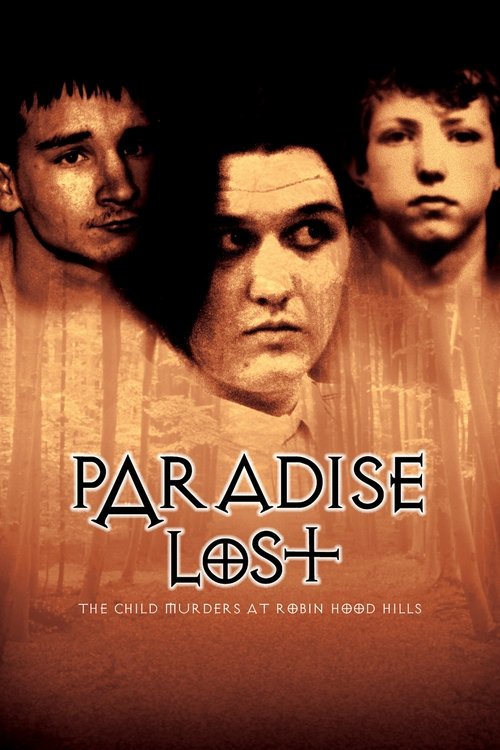
Paradise Lost is a powerful examination of how cultural hysteria can corrupt the American judicial system. It excels in its cultural critique, deconstructing how institutionalized truth is often shaped through collective fear and misguided vigilance. While the film lacks representation of LGBTQ+ identities or disabilities, it provides a deep look at how social orthodoxies and systemic biases affect underrepresented individuals. The focus remains on the intersection of power, class, and the fragility of objectivity. Ultimately, the documentary serves as a study of how a community's demand for retribution can overshadow forensic reality, making it a vital piece of investigative filmmaking.
Category Breakdown
The film does not include any LGBTQ+ characters or themes related to non-straight identities. The narrative centers on the criminal investigation and its societal impact.
Gender dynamics revolve around the tragic deaths of three young women. The film highlights their vulnerability within a society that prioritizes sensationalism over forensic evidence.
The documentary examines socioeconomic tensions in a small Southern community. It portrays how working-class youth are underrepresented within a dominant social framework.
The film offers a nuanced critique of Western institutions and the influence of 'Satanic Panic.' It challenges the perceived infallibility of state authority and judicial objectivity.
There is no significant focus on neurodivergence or physical disabilities within the primary narrative arc of the defendants or the investigation.
Present on Screen
Limited or Absent
Official Synopsis
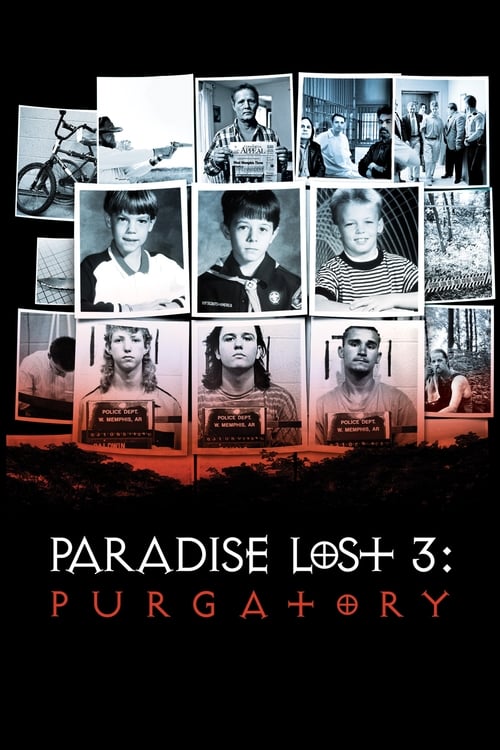
A horrific triple child murder leads to an indictment and trial of three nonconformist boys based on questionable evidence.
2000

2020

2017
1988
2016
2012

2008

2006
No reviews yet. Be the first to share your thoughts on this movie!
Use the rating form above to leave a star rating and optional review.