
The Man with the Balloons
1967
No user ratings available yet
Diversity score: 4.7 out of 10
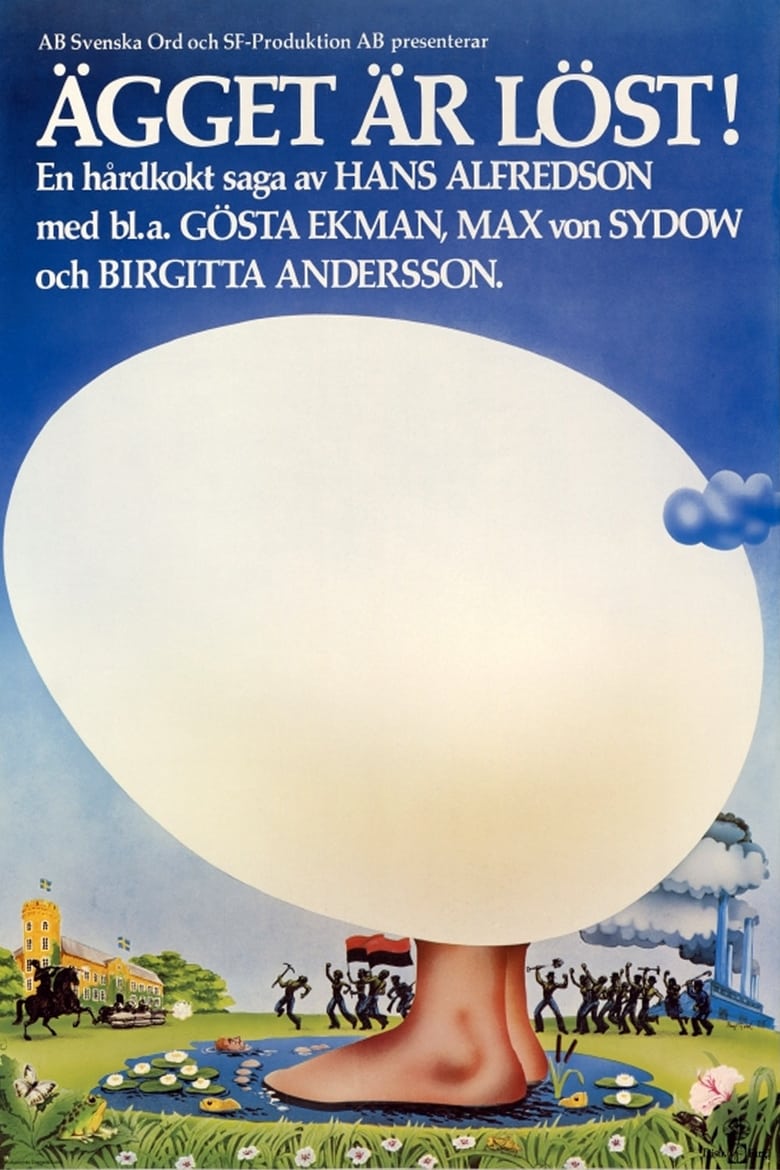
1975
Director
Hans Alfredson
Runtime
107 minutes
Average Rating
No ratings yetSynopsis
A fairy tale and satire about a wealthy industrialist, whose son has been subdued and oppressed and totally uninterested in his father's business.
Overall Score
Fair
Category Breakdown
LGBTQ+ Representation
The film suggests a departure from heteronormative expectations of lineage. While specific queer identities are not explicitly confirmed, the narrative subverts traditional familial roles and succession.
Gender Representation
The story disrupts conventional gendered hierarchies of authority. It portrays the traditional masculine pursuit of industrial power as something to be rejected or subdued by the son.
Racial & Ethnic Diversity
The production likely reflects the demographic norms of 1975 Sweden. There is no evidence of a non-Anglo-Saxon majority or diverse racial casting within the provided context.
Religious & Cultural Diversity
The film offers a strong critique of Western capitalist institutions. It uses satire to frame industrial success and the traditional family unit as sites of systemic oppression.
Disability Representation
There is no mention of characters navigating physical or neurodivergent disabilities within the narrative.
Strengths
Areas for Improvement
AI Analysis
Hans Alfredson’s satire functions as a deconstruction of traditional authority and class hierarchies. By centering the plot on a son who rejects his father's industrial legacy, the film challenges the meritocratic and patriarchal structures of capitalism. The film's progressive value lies in its thematic commitment to disrupting established power dynamics. It uses an absurdist lens to critique the sanctity of wealth preservation and institutional stability. However, the work remains limited by its historical and regional context. While it excels at systemic critique, it lacks evidence of demographic diversity regarding race or disability.
1967
1981

1968
1973

1949

1988

1966
1989
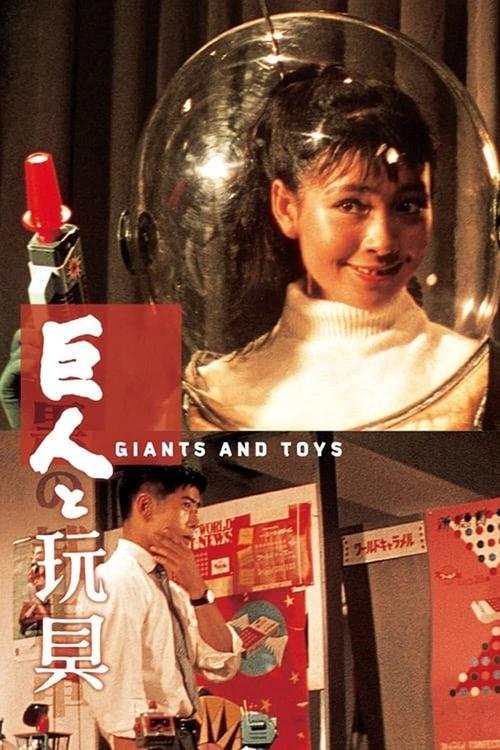
1958

1985

2009

1961
No reviews yet. Be the first to share your thoughts on this movie!
Use the rating form above to leave a star rating and optional review.