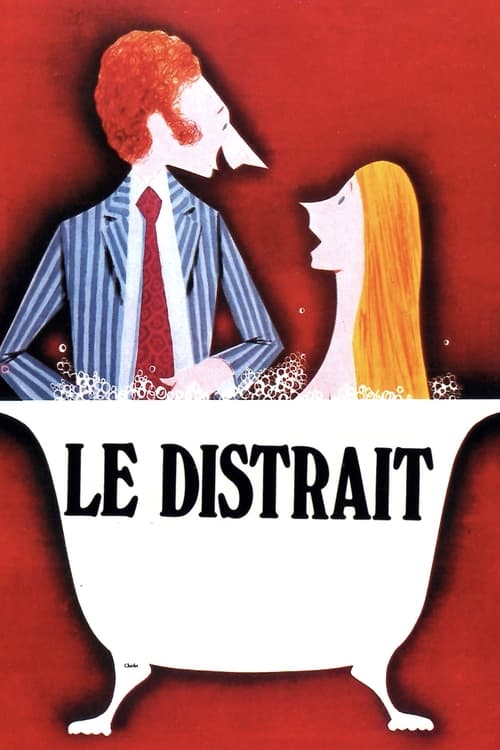
Distracted
1970
No user ratings available yet
Diversity score: 3.8 out of 10
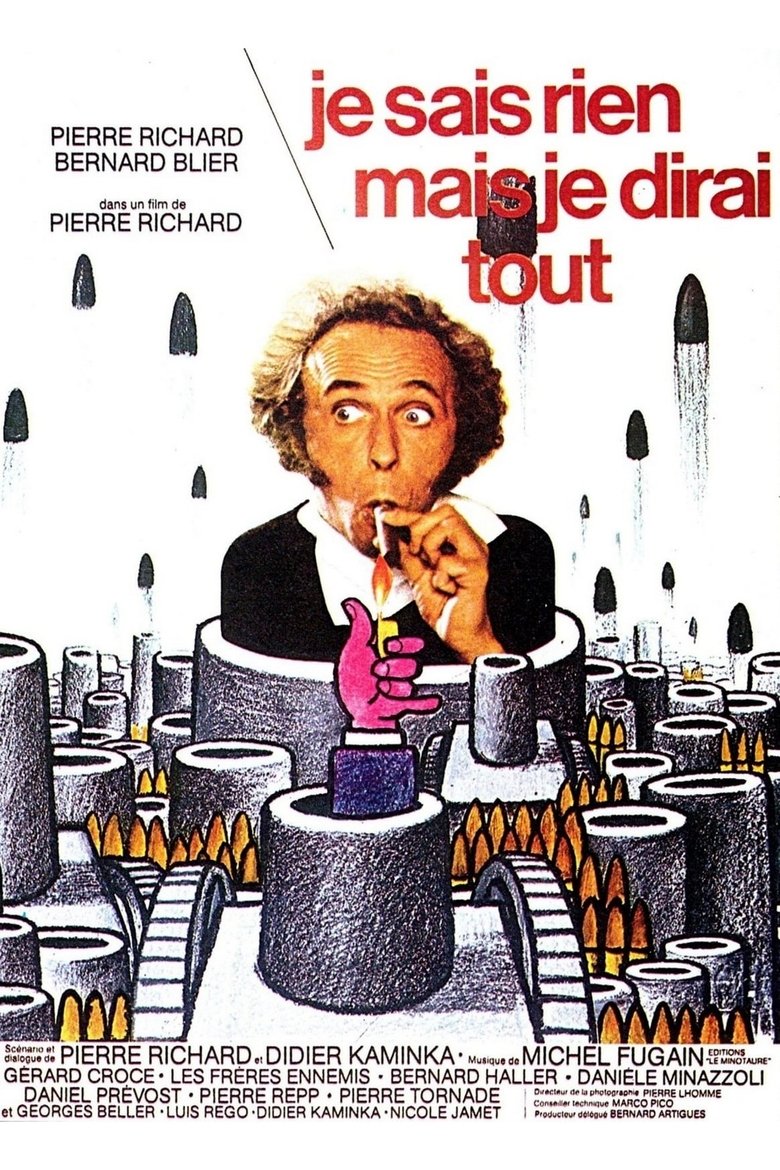
1973
Director
Pierre Richard
Runtime
78 minutes
Average Rating
No ratings yetSynopsis
Pierre Gastié-Leroy is the son of a wealthy director of a factory of weapon manufacturing. Despite his parents, two generous uncles and a bishop godfather who try to inculcate him the rigid values of his social level, Pierre is a dreamer, antimilitaristic, social educator who dreams of saving three thugs, his "little guys" at the limit of delinquency. After several resounding failures that sent him to prison, Pierre is ordered by his father to join his factory to direct the social service. Tired of the venality of his father and the foolishness of the "little guys", Pierre hires them at the factory...
Overall Score
Fair
Category Breakdown
LGBTQ+ Representation
The film lacks explicit depictions of LGBTQ+ characters or non-heteronormative identities. The narrative focus remains centered on class dynamics and the protagonist's immediate social circle.
Gender Representation
The story centers on a male protagonist navigating patriarchal structures like a factory owner father and a bishop godfather. However, the lead subverts traditional masculine archetypes through empathy.
Racial & Ethnic Diversity
The setting focuses on French class structures and industrial hierarchies. There is no mention of a multi-ethnic cast or the intentional blending of diverse racial identities.
Religious & Cultural Diversity
The film critiques established Western institutions, including the Church and military structures. It prioritizes the agency of social outcasts over traditional morality and capitalist authority.
Disability Representation
There is no evidence of characters with visible or invisible disabilities within the narrative.
Strengths
Areas for Improvement
AI Analysis
The film functions primarily as a critique of class and institutional authority. It succeeds in deconstructing traditional power structures, such as the military and the Church, by centering an underdog protagonist who rejects rigid societal expectations. However, the film lacks intersectional breadth. The narrative is deeply rooted in domestic French class struggles, which limits its engagement with racial and ethnic diversity. The focus on socio-economic divides leaves little room for broader representation. While the protagonist's rejection of patriarchal archetypes offers some progressive nuance, the absence of LGBTQ+ identities and disability representation results in a narrow demographic scope.
1970

1967
1973
1971

2004
1978

1987
1975
1979

1971

1969
1979
No reviews yet. Be the first to share your thoughts on this movie!
Use the rating form above to leave a star rating and optional review.