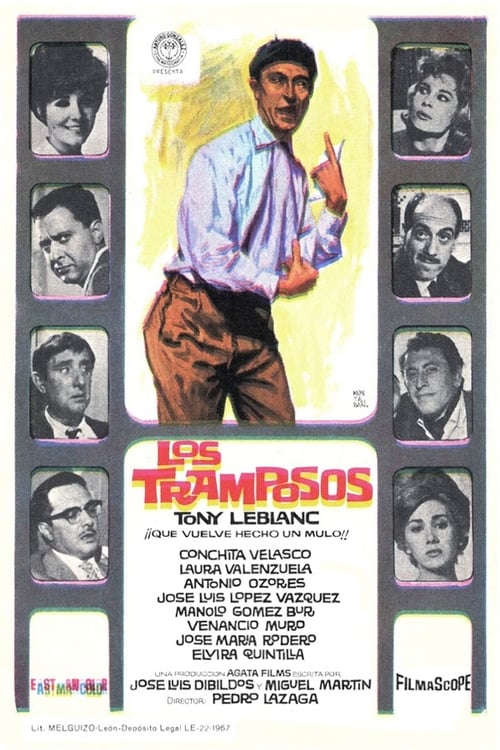
Los tramposos
1959
No user ratings available yet
Representation score: 1.8 out of 10
Representation Score
Good
1949
Director
Luis Buñuel
Runtime
92 minutes
Average Rating
No ratings yetNew Showbiz Analysis
Luis Buñuel uses this comedy to dismantle the bourgeois family structure. By centering the plot on a collective deception against a hedonistic patriarch, the film undermines the traditional 'provider' archetype and the sanctity of inherited wealth. The narrative shifts power away from a single male authority figure toward a more collective form of influence. This disruption of the patriarchal hierarchy serves as a tool to critique established social and economic institutions. While the film excels at cultural and gendered subversion, it lacks specific evidence regarding racial or LGBTQ+ representation, remaining rooted in a more localized social critique.
Category Breakdown
The film doesn't provide explicit details about non-straight relationships or identities. However, its focus on destabilizing traditional family units hints at broader explorations of non-traditional social dynamics.
The narrative challenges traditional hierarchies by removing the patriarch's financial control. Family members become the main drivers of the plot, questioning the dominance of the male leader.
The film likely operates within a local cultural context typical of 1949. While specific diverse casting isn't detailed, the work uses surrealism to critique class and social structures.
The plot offers a progressive critique of capitalist systems and wealth. It prioritizes collective interest over traditional patriarchal authority and inherited material indulgence.
There is no evidence regarding the portrayal of physical or neurodivergent disabilities in this work.
Present on Screen
Limited or Absent
Official Synopsis
Portrayal of a family’s attempt to change the spending habit of the indulgent and hedonistic patriarch, Alfredo. The family decides to try to fool him into spending less by telling him that his large fortune is gone.
1959

1932

1943

1955
1940
1954

1972

1950
No reviews yet. Be the first to share your thoughts on this movie!
Use the rating form above to leave a star rating and optional review.