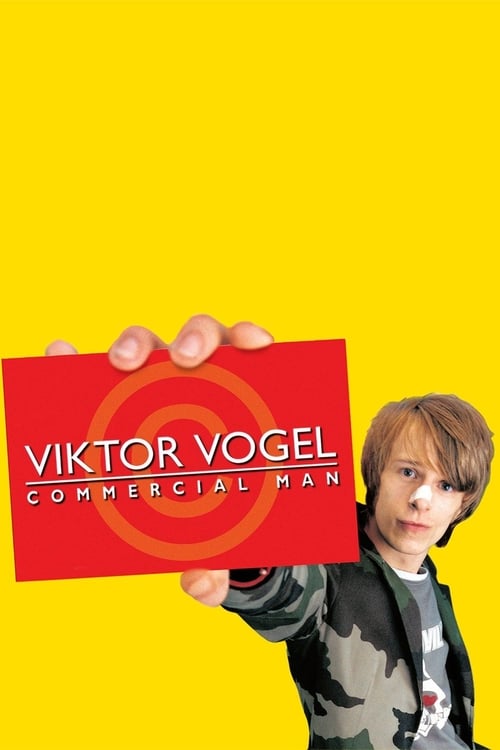
Advertising Rules!
2001
No user ratings available yet
Diversity score: 4.7 out of 10

1966
Director
Bo Widerberg
Runtime
96 minutes
Average Rating
No ratings yetSynopsis
In this absurdist comedy Roland Jung is a young man who wants to write, but when he is in desperate need of money, he has to take a job at an advertising agency in Stockholm. He lands on the department for cosmetics and especially deodorant preparations. He is asked by the agency to do market research among the youth to determine their reaction to a new drug against pimples.
Overall Score
Fair
Category Breakdown
LGBTQ+ Representation
The film maintains a neutral stance regarding non-heteronormative identities. While the era's comedic tone often allowed for subtle subversions, there is no explicit evidence of queer characters.
Gender Representation
The setting within the cosmetics and advertising industries suggests a shift in gendered power dynamics. The protagonist's struggle may subvert traditional masculine roles through the absurdity of modern labor.
Racial & Ethnic Diversity
The 1966 Swedish setting and focus on local market research suggest demographic homogeneity. There is no evidence of significant racial blending or non-Anglo-Saxon majority casting.
Religious & Cultural Diversity
The narrative provides a strong critique of capitalist institutions and Western commercialism. It explores the friction between individual purpose and the systemic demands of consumerist culture.
Disability Representation
There is no evidence within the narrative to suggest the presence of characters with visible or invisible disabilities.
Strengths
Areas for Improvement
AI Analysis
Bo Widerberg’s work moves away from formalist traditions toward a naturalistic, socially conscious style. This film specifically uses an absurdist lens to critique mid-century consumerism and the pressures of the advertising industry. The film's strength lies in its thematic architecture, focusing on the tension between artistic integrity and capitalist machinery. It prioritizes the perspectives of youth culture over traditional, elder-centric social hierarchies. However, the film lacks demographic breadth. The focus on local Swedish market research and the era's social context results in low scores for racial and LGBTQ+ representation.
2001

1976
1969
1961
1971

1958

2019
1969

1987

1967

2008

1971
No reviews yet. Be the first to share your thoughts on this movie!
Use the rating form above to leave a star rating and optional review.