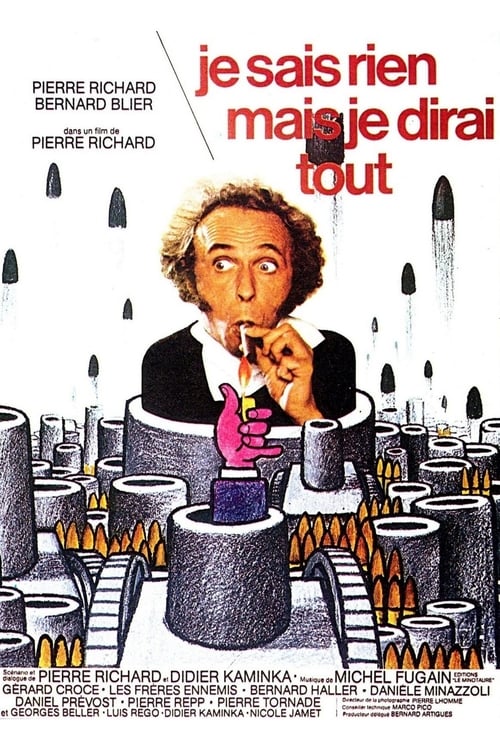
I Don't Know Much, But I'll Say Everything
1973
No user ratings available yet
Diversity score: 5.1 out of 10
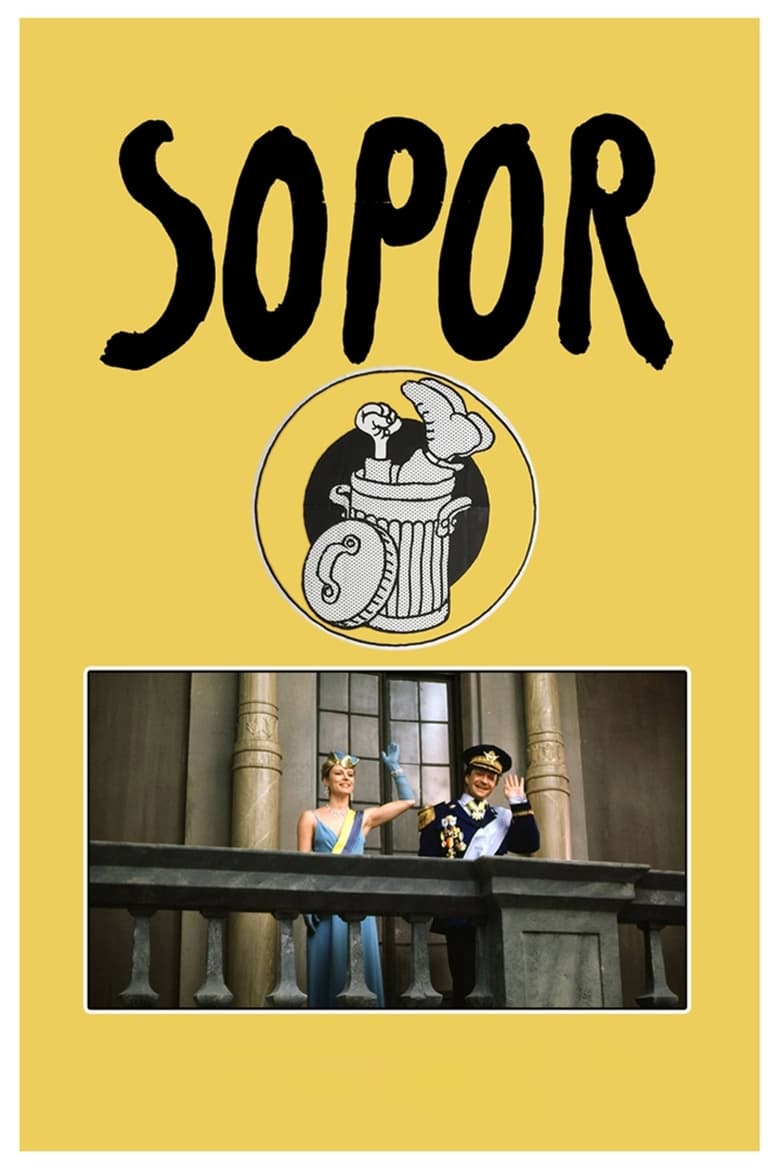
1981
Director
Tage Danielsson
Runtime
96 minutes
Average Rating
No ratings yetSynopsis
One Monday morning, a thousand children leave the suburb of Farsta and go to Stockholm to occupy the Royal Castle. The children have formed a group called S.O.P.O.R. as a protest against the way adults treat them and have destroyed their future. They demand that the robots in the industry are replaced by humans to create job opportunities. They take the royal family as hostages.
Overall Score
Fair
Category Breakdown
LGBTQ+ Representation
The film lacks explicit evidence of LGBTQ+ characters or non-heteronormative identities. The narrative focuses almost entirely on the generational conflict between children and adults.
Gender Representation
The uprising of the S.O.P.O.R. collective disrupts traditional adult hierarchies and patriarchal structures. However, it is unclear if gendered roles are balanced among the children.
Racial & Ethnic Diversity
Set in Farsta and Stockholm, the film likely reflects the demographic homogeneity of 1981 Sweden. There is no evidence of intentional racial blending in the cast.
Religious & Cultural Diversity
The film critiques Western institutions by having children challenge the monarchy and industrial capitalism. This thematic deconstruction provides a strong cultural commentary.
Disability Representation
There is no information available regarding characters with visible or invisible disabilities. No representation in this category can be confirmed.
Strengths
Areas for Improvement
AI Analysis
Sopor is primarily a generational critique rather than an intersectional study. It uses a youth uprising to challenge the sanctity of the monarchy and the rigidity of industrial capitalism. While the film's architecture is progressive for its era, it lacks modern demographic breadth. The narrative succeeds in subverting traditional power structures by centering the agency of a youth collective. This shift challenges the status quo and demands accountability from established state and economic institutions. However, the film appears limited by the demographic realities of 1981 Sweden. It lacks visible racial diversity and explicit LGBTQ+ representation, focusing instead on the socio-economic tensions between children and the adult world.
1973
1971
1966
1975
1997
2014
2010

1962
1973
1961

1973

1978
No reviews yet. Be the first to share your thoughts on this movie!
Use the rating form above to leave a star rating and optional review.