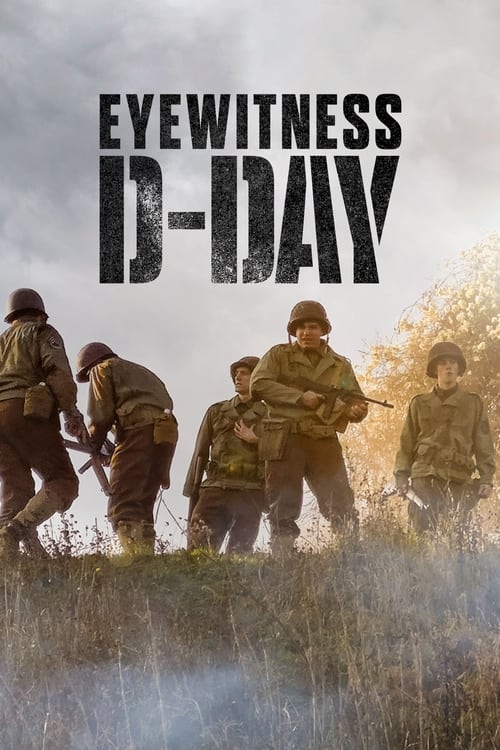
Eyewitness: D-Day
2019
No user ratings available yet
Representation score: 1.9 out of 10

Representation Score
Minimal
2019
TV-PGRuntime
55 minutes
Average Rating
No ratings yetNew Showbiz Analysis
This documentary serves as a traditional historical reconstruction of a specific World War II engagement. It prioritizes tactical accuracy, veteran testimony, and geographical cinematography over social commentary or character-driven diversity. The film operates within the institutional constraints of the 1940s military setting, reflecting the era's social hierarchies. Ultimately, the production follows a standard, traditionalist approach to military history without introducing perspectives that reflect multiple aspects of identity or disrupting conventional historical clichés.
Category Breakdown
The documentary focuses on the 1944 military operations and does not include any LGBTQ+ characters or narratives related to non-straight relationships.
The film centers on a male-dominated historical context involving U.S. Army Rangers. Survivors are interviewed, but the main focus is on the male combatants who held positions of power during that time.
The film documents a specific U.S. Army unit and aligns with traditional depictions of mid-century Western military forces without highlighting underrepresented racial experiences.
The documentary emphasizes Western military history and patriotism. It functions as a tribute to historical milestones without challenging Western institutions or promoting alternative ideologies.
Disability is not a central narrative theme. While veterans may discuss combat effects, there is no intentional representation of neurodivergence or disability in the storytelling.
Present on Screen
Limited or Absent
Official Synopsis
The incredible story of the U.S. Army Rangers who assaulted the 100 foot-high cliffs of Pointe-du-Hoc on June 6, 1944, where 6 German cannons were supposed to be located and taken out. Narrated by David McCallum and Donnie Wahlberg Documentary to include: -Interviews with D-Day and Pointe-du-Hoc survivors. -Exclusive Drone footage of the cliffs at Pointe du Hoc. -Exclusive Drone footage of the English Channel approach to Pointe du Hoc and of the seaward side of the cliffs themselves. —Tim Gray
2019

1962
2014
2018
2014
2011
2014

2018
No reviews yet. Be the first to share your thoughts on this movie!
Use the rating form above to leave a star rating and optional review.