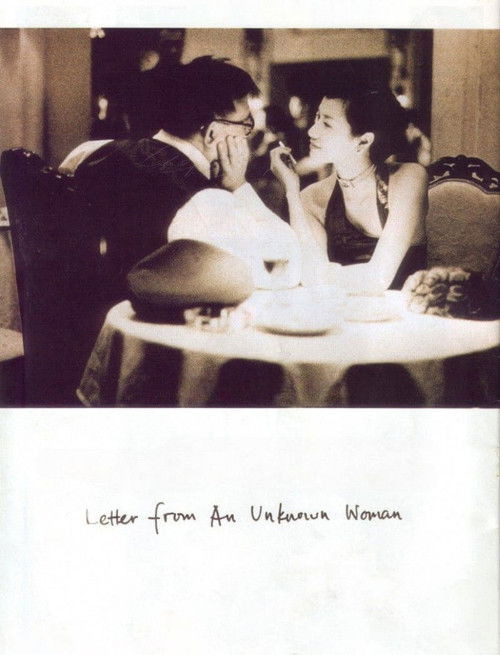
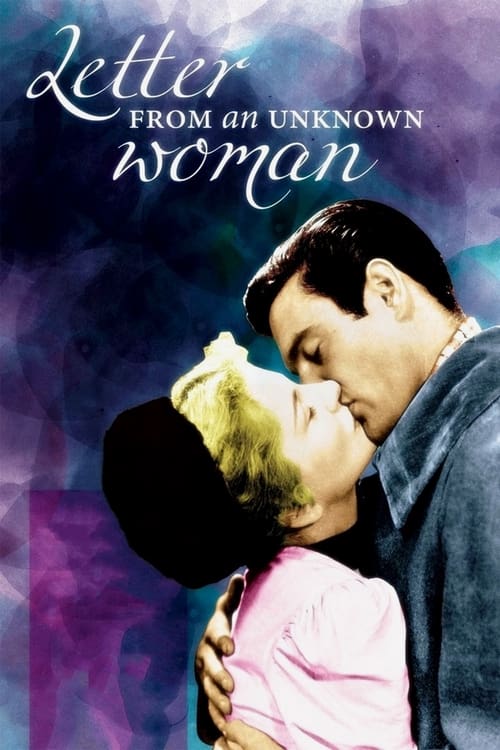
Letter from an Unknown Woman
2004
No user ratings available yet
Representation score: 4.0 out of 10
Representation Score
Limited
1948
ApprovedDirector
Max Ophüls
Runtime
87 minutes
Average Rating
No ratings yetNew Showbiz Analysis
Max Ophüls crafts a sophisticated period drama that centers on the emotional and systemic struggles of a woman. By focusing on the female perspective, the film challenges traditional male-centric narratives, depicting the male character as passive and unaware. Despite the lack of LGBTQ+ and racial diversity, the film offers a detailed look at the social and economic disparities of the 19th century. It highlights how societal norms and class hierarchies can be oppressive. Overall, the film's impact lies in its exploration of the female experience within a restrictive social structure.
Category Breakdown
The film adheres to traditional romantic storylines typical of its time. There is no hidden or implied LGBTQ+ content.
The film emphasizes the narrative focus on the female experience, giving the woman's internal emotions a central role over the male character's viewpoint.
Set in 19th-century Vienna, the film features a predominantly white cast and setting reflective of the era's demographics.
The film critiques the rigid social structures of the time by presenting the protagonist's experiences against a backdrop of judgmental high society.
The film does not prominently feature characters with physical or neurodivergent disabilities.
Present on Screen
Limited or Absent
Official Synopsis
A pianist about to flee from a duel receives a letter from a woman he cannot remember. As she tells the story of her lifelong love for him, he is forced to reinterpret his own past.
2004

1951
2004

1923

2002
1955
2008
1940
No reviews yet. Be the first to share your thoughts on this movie!
Use the rating form above to leave a star rating and optional review.