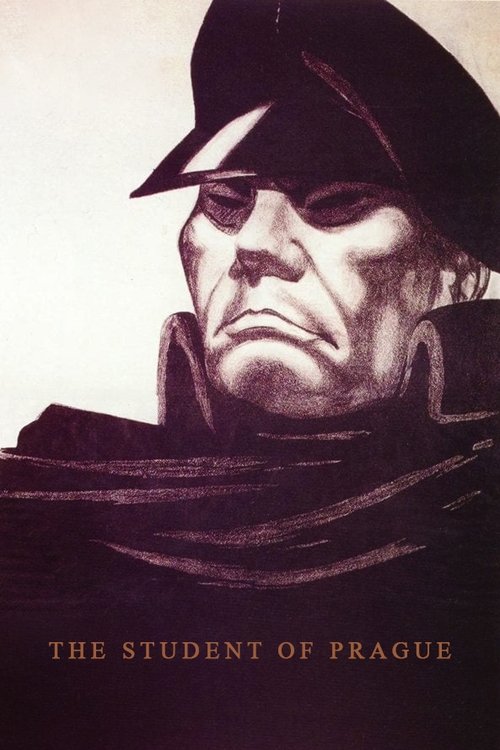
The Student of Prague
1913
No user ratings available yet
Representation score: 2.3 out of 10
Representation Score
Limited
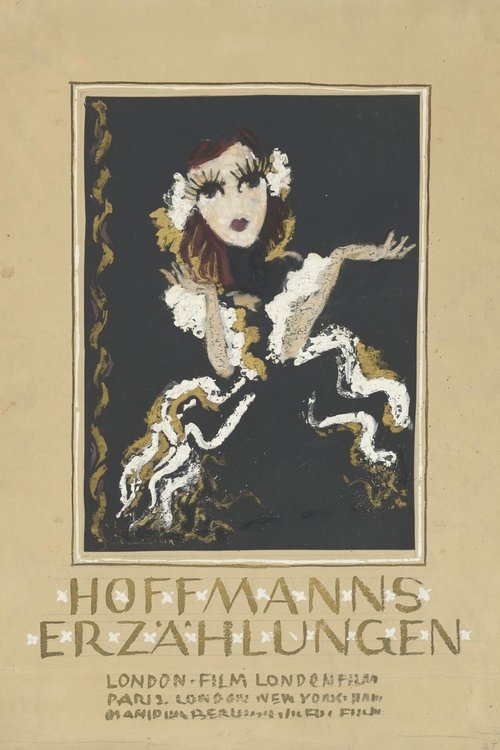
1923
Director
Max Neufeld
Runtime
79 minutes
Average Rating
No ratings yetNew Showbiz Analysis
The film follows the traditional romantic and dramatic conventions of the early 1920s. It centers on a male-driven narrative where female characters primarily function as objects of the male lead's quest rather than independent figures. The production reflects the era's homogeneous casting and Western European aesthetic focus, lacking the multi-layered approach or intentional disruption of social hierarchies found in more progressive works. While the fantasy elements allow for some departure from realism, the core conflicts remain rooted in standard period archetypes.
Category Breakdown
The story involves a mechanical doll and a lost mirror image, but there is no clear indication of queer identity or critiques of the assumption that everyone is straight or cisgender.
The plot revolves around a male protagonist whose romantic quests shape the story. Female characters are mainly catalysts or objects to be rescued rather than independent figures.
The setting and origins point to a focus on Western European aesthetics. The film seems to follow the homogeneous casting practices typical of early 1920s European cinema.
The story uses fantasy and supernatural elements to deviate from realism. However, it relies on traditional Western literary archetypes related to individual genius and scientific authority.
There is no mention of the depiction of physical, sensory, or neurodivergent disabilities in the provided context.
Present on Screen
Limited or Absent
Official Synopsis
"The Tales of Hoffmann" - The story of the poet Hoffmann, who falls in love with a mechanical doll, loses his mirror image in Venice and finally liberates his lover from the clutches of a sinister doctor.
1913
1921
1904
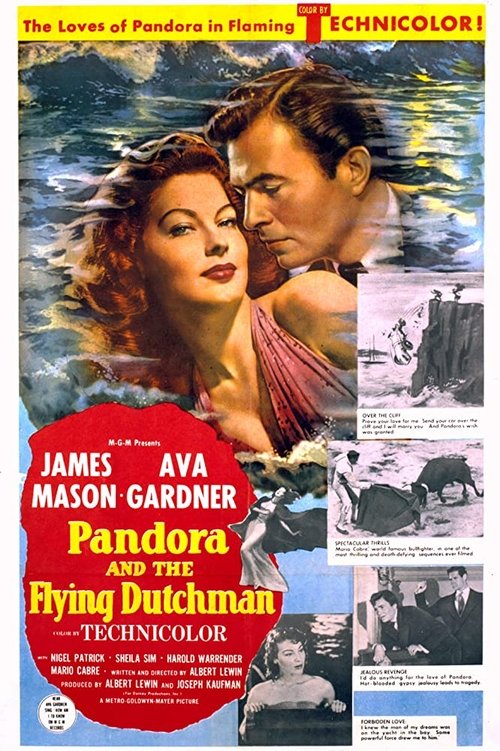
1951
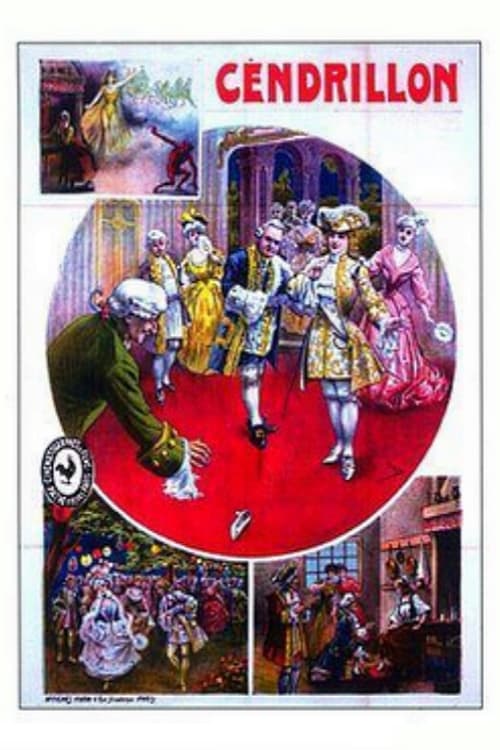
1907
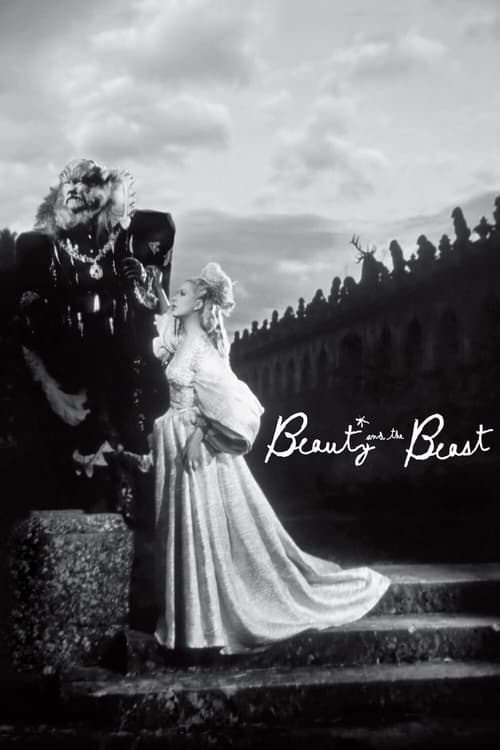
1946
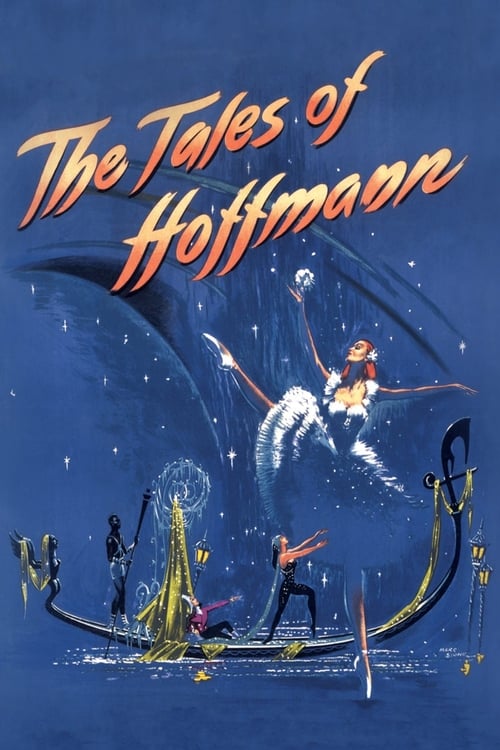
1951
1925
No reviews yet. Be the first to share your thoughts on this movie!
Use the rating form above to leave a star rating and optional review.