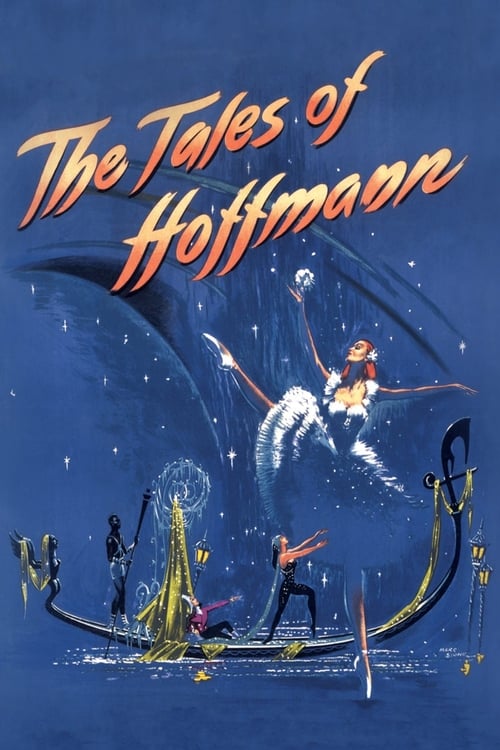
The Tales of Hoffmann
1923
No user ratings available yet
Representation score: 2.6 out of 10
Representation Score
Fair
1951
NRDirector
Michael Powell, Emeric Pressburger
Runtime
127 minutes
Average Rating
No ratings yetNew Showbiz Analysis
The film stands as a landmark of cinematic formalism, emphasizing visual expressionism and dream-like experiences over realism. Its strength lies in a postmodern fragmentation that questions the stability of identity and reality. However, the work remains anchored in the social norms of its time. It lacks explicit representation of LGBTQ+ identities and adheres to Eurocentric casting and cultural norms. While female characters are central to the plot, they often serve as psychological symbols for the male lead rather than independent individuals.
Category Breakdown
The story centers around Hoffmann's pursuit of heterosexual relationships. While the surreal style allows for varied interpretations of desire, there is no clear depiction of non-straight or non-cisgender identities or intimate relationships between people of the same sex.
Female characters range from the objectified Olympia to the seductive Giulietta. They play crucial roles in the emotional journey but often act as symbolic figures within the male protagonist's mind rather than independent individuals.
The film maintains a Eurocentric aesthetic typical of 1950s high-art cinema. Although it features actors from different countries, it does not intentionally blend races or challenge conventional casting practices.
The narrative is set within a stylized framework of European high culture. It emphasizes the poet's internal, fragmented reality rather than critiquing Western institutions or social structures.
Antonia's battle with tuberculosis serves as a key emotional element. However, this portrayal leans towards the 'tragic figure' cliché, using illness primarily to evoke the protagonist's sadness.
Present on Screen
Limited or Absent
Official Synopsis
A melancholy poet reflects on three women he loved and lost in the past: a mechanical performing doll, a Venetian courtesan, and the consumptive daughter of a celebrated composer.
1923
1950
1981
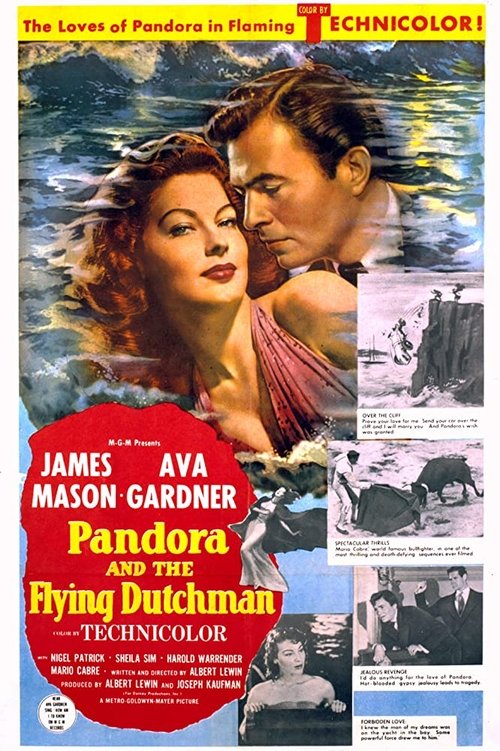
1951
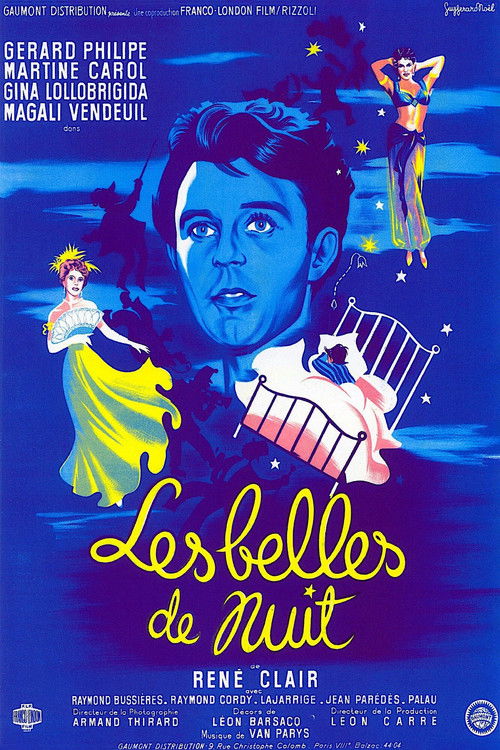
1952
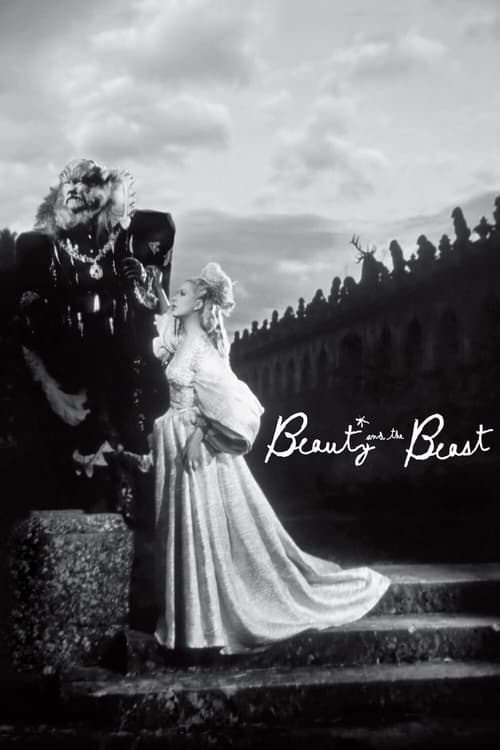
1946
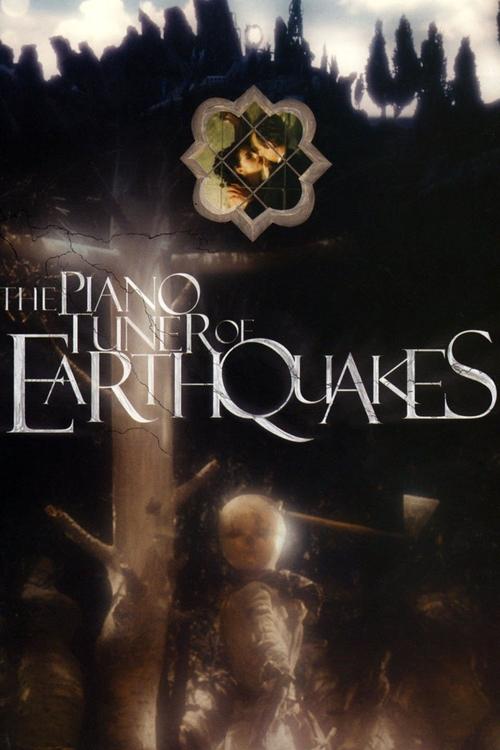
2005
1948
No reviews yet. Be the first to share your thoughts on this movie!
Use the rating form above to leave a star rating and optional review.