
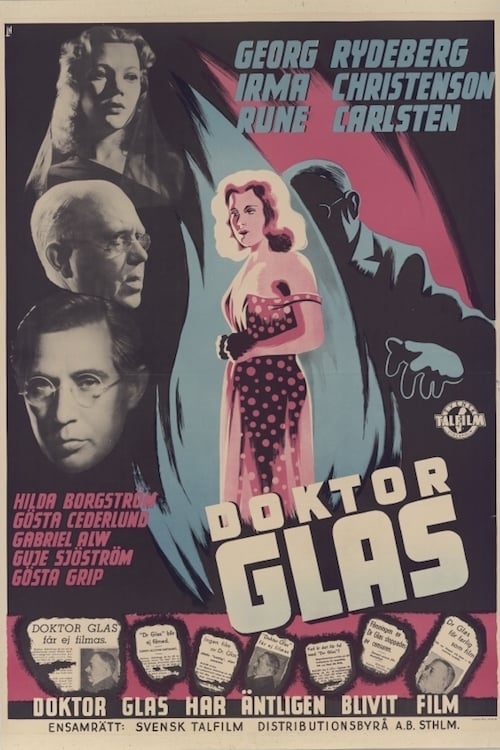
Doctor Glas
1968
No user ratings available yet
Representation score: 6.2 out of 10
Representation Score
Fair
1942
Director
Rune Carlsten
Runtime
89 minutes
Average Rating
No ratings yetNew Showbiz Analysis
Doktor Glas is a psychological study that prioritizes intellectual subversion over demographic variety. While the film lacks racial and LGBTQ+ representation, it challenges traditional social and religious structures. The narrative finds strength in its progressive approach to morality, using the domestic sphere to challenge traditional gender roles and institutional authority. It replaces communal dogma with a focus on individual ability to act. Ultimately, the film's diversity is found in its ideas rather than its casting. It offers a sophisticated deconstruction of social order through a lens of moral relativism.
Category Breakdown
The film does not include any characters with LGBTQ+ identities or same-sex intimacy. It focuses solely on heterosexual relationships and repression.
The narrative centers around female characters and their emotional needs, which drive the plot and force the protagonist into a moral crisis. This disrupts traditional gender hierarchies.
The cast is homogeneous, reflecting a localized, culturally specific middle-class Stockholm without racial or ethnic diversity.
The film explores moral relativism and situational ethics over religious institutions. It challenges traditional Western authority by prioritizing individual psychological truth.
Psychological distress and emotional repression serve as character drivers. However, there is no specific exploration of neurodivergence or physical disabilities.
Present on Screen
Limited or Absent
Official Synopsis
Dr. Glas is visited by Mrs. Gregorius who lives in an unhappy marriage and decides to help her, by any means necessary.
1968

1952
1949

1980

1945
1950
1946

1944
No reviews yet. Be the first to share your thoughts on this movie!
Use the rating form above to leave a star rating and optional review.