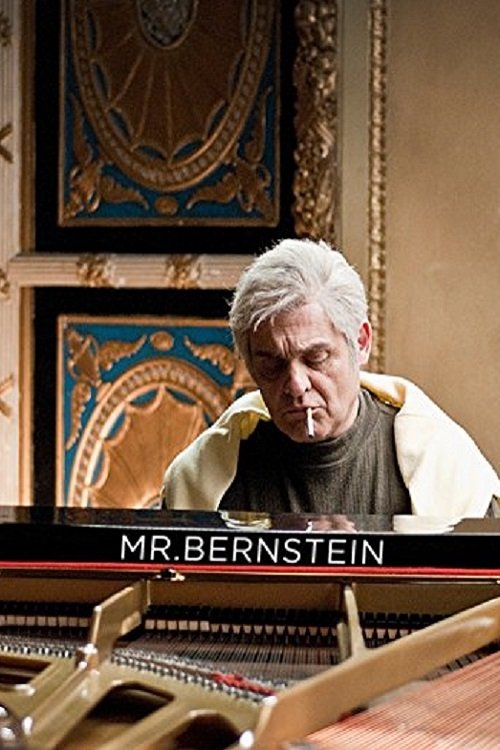
Mr Bernstein
2016
No user ratings available yet
Representation score: 5.8 out of 10
Representation Score
Good
2012
Not RatedDirector
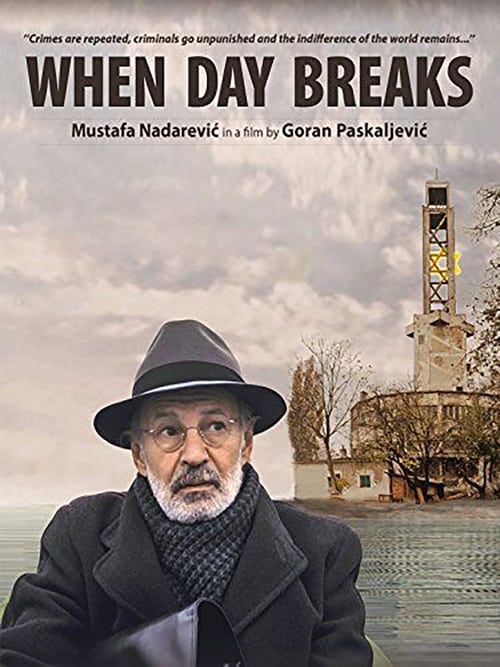
Goran Paskaljević
Runtime
90 minutes
Average Rating
No ratings yetNew Showbiz Analysis
When Day Breaks is a profound exploration of identity and historical memory. It succeeds by using a personal musical quest to uncover the suppressed Jewish history of Belgrade, effectively challenging monolithic national narratives. The film's strength lies in its sophisticated handling of ethnic and cultural diversity. By bridging the gap between personal lineage and systemic trauma, it provides a meaningful critique of historical erasure. However, the film remains narrow in its focus on modern identity politics. It lacks explicit representation regarding LGBTQ+ identities or significant character arcs centered on disability.
Category Breakdown
The film focuses on ethnic lineage and historical trauma rather than sexual orientation. There is no explicit evidence of LGBTQ+ character arcs or critiques of the assumption that everyone is straight or cisgender.
The story centers on a male protagonist and his intellectual pursuits. However, it explores maternal sacrifice and emotional vulnerability, providing a nuanced view of women's roles under duress.
The film excels by centering Jewish origins within a Serbian context. It challenges regional ethnic homogeneity by integrating underrepresented histories into the contemporary social fabric.
The narrative deconstructs historical erasure by uncovering the truth of the Judenlager Semlin camp. It prioritizes pluralistic cultural heritage over simplified national myths.
There are no specific mentions of characters navigating physical, neurodivergent, or mental health disabilities within the narrative.
Present on Screen
Limited or Absent
Official Synopsis
The story of a retired music professor, Misha Brankov, who under unusual circumstances discovers his true origins. At the place where once stood a Nazi concentration camp for Jews during World War II, a metal box filled with documents is found. It was buried by an inmate Isaac Weiss in the year 1941. The professor finds out that his real parents, the Weiss's, gave him away to their friends, the Brankovs, just before they were taken into the camp. Inside the box there is an unfinished musical score, called "When day breaks", composed by the inmate Isaac Weiss. Searching for the truth about himself and his origins, Misha discovers the little-known truth about Judenlager Semlin camp, one of the worst Nazi execution sites in the heart of contemporary Belgrade. At the same time, the professor's obsession is to complete the composition, started by his father, and to perform it on the site of the former camp... which he, after many vicissitudes, finally succeeds.
2016
2007
1992

2012

2014
2019

2016
2001
No reviews yet. Be the first to share your thoughts on this movie!
Use the rating form above to leave a star rating and optional review.