
The Diary of Anne Frank
2016
No user ratings available yet
Representation score: 3.6 out of 10

Representation Score
Fair
2012
NRDirector
Margarethe von Trotta
Runtime
113 minutes
Average Rating
No ratings yetNew Showbiz Analysis
Margarethe von Trotta’s portrait of Hannah Arendt succeeds by prioritizing intellectual ability to act over sentimentalism. The film excels in its subversion of gendered expectations, presenting a female lead who challenges male-dominated institutional structures through her philosophical inquiries. The narrative provides a sophisticated look at identity, specifically through the lens of the German-Jewish émigré experience. It avoids monolithic portrayals, instead focusing on the complex friction between the individual and the collective Jewish community in a post-war context. While the film lacks LGBTQ+ representation and disability-focused narratives, it offers a deep, culturally significant exploration of how systemic structures facilitate evil and how individuals navigate moral authority.
Category Breakdown
The film follows a historical biography that does not center LGBTQ+ identities. It lacks explicit LGBTQ+ characters or critiques of straight relationships.
Hannah Arendt is portrayed as a dominant intellectual force rather than a domestic figure. The narrative challenges traditional hierarchies by centering a woman whose professional tenacity drives the plot.
The film offers a nuanced exploration of Jewish identity and the German-Jewish émigré experience. It highlights the friction between the protagonist's outsider status and the collective community.
The story engages with the deconstruction of moral and institutional norms through the concept of the 'banality of evil.' It explores the tension between individual responsibility and systemic structures.
The film does not feature characters with visible or invisible disabilities as central plot drivers.
Present on Screen
Limited or Absent
Official Synopsis
A portrait of the genius that shook the world with her discovery of “the banality of evil.” After she attends the Nazi Adolf Eichmann’s trial in Jerusalem, Arendt dares to write about the Holocaust in terms no one has ever heard before. Her work instantly provokes a furious scandal, and Arendt stands strong as she is attacked by friends and foes alike. But as the German-Jewish émigré also struggles to suppress her own painful associations with the past, the film exposes her beguiling blend of arrogance and vulnerability — revealing a soul defined and derailed by exile.
2016
1989

2014
2015
1983
2002

2003
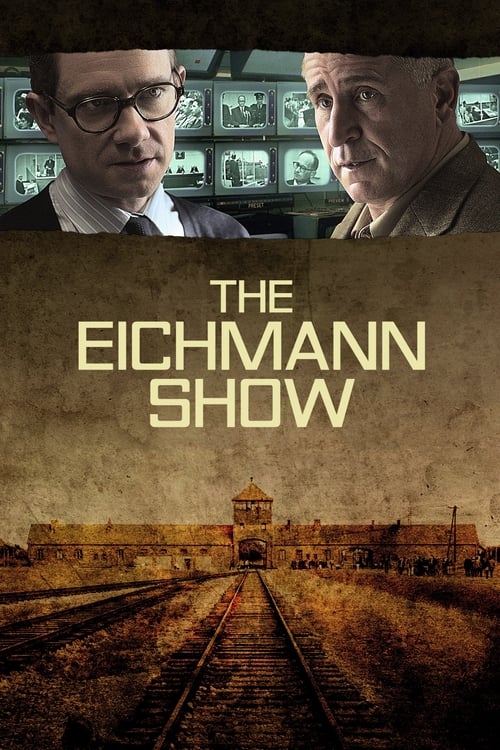
2015
No reviews yet. Be the first to share your thoughts on this movie!
Use the rating form above to leave a star rating and optional review.