
When Day Breaks
2012
No user ratings available yet
Representation score: 6.0 out of 10
Representation Score
Fair
2016
GDirector
Francine Zuckerman
Runtime
12 minutes
Average Rating
No ratings yetNew Showbiz Analysis
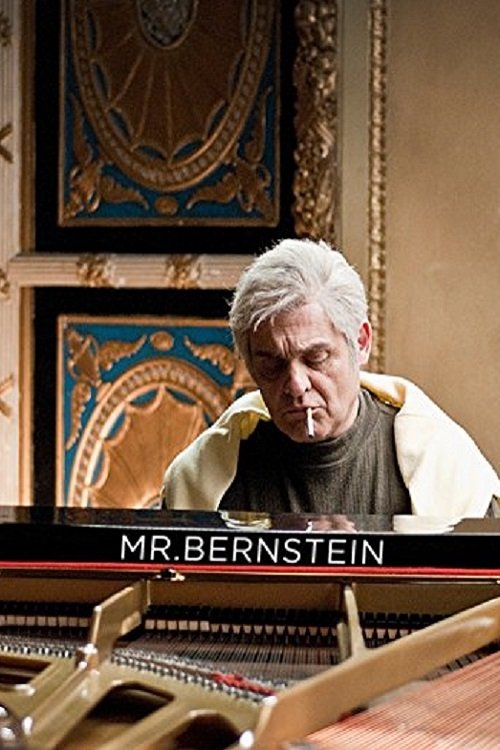
Mr. Bernstein is a historical drama that highlights Jewish cultural resilience. By focusing on a concentration camp orchestra, the film disrupts dominant Western narratives to emphasize the ability to act of a persecuted group. The use of music serves as a powerful medium to explore survival and collective memory. However, the film lacks depth in representing diverse identities. The narrative architecture remains centered on male protagonists, and there is no visible representation of LGBTQ+ identities or specific disability ability to act. This narrow focus prevents a higher diversity rating. Ultimately, the film succeeds as a nuanced study of diaspora and historical truth, even if it adheres to traditional period-drama structures regarding gender and other identity markers.
Category Breakdown
The film does not include any LGBTQ+ characters or queer narratives. It focuses on the historical Jewish experience and musical legacy.
The story centers on male figures, such as Leonard Bernstein and a male spectator. There is no explicit detail about women's ability to drive the story or leadership roles.
The narrative emphasizes the Jewish experience and the resilience of a persecuted group. It explores themes of diaspora through the protagonist's move to New Zealand.
The film addresses historical trauma and Jewish memory. It critiques oppressive structures by depicting an orchestra within a concentration camp setting.
While the Holocaust setting suggests profound psychological trauma, there is no explicit portrayal of characters with specific disabilities driving the plot.
Present on Screen
Limited or Absent
Official Synopsis
Bernstein, who later became a renowned conductor, had once performed the Rhapsody in Blue by George Gershwin, a composer of Jewish ancestry, with a concentration camp orchestra. All of the musicians were prisoners, and the father of the protagonist was an involuntary listener. Years later the spectator, who has grown old and became a baker in New Zealand, and the conductor accidentally find themselves in the same city, but do not cross paths. These accidental meetings that one remembers for the entire life are probably familiar to every Jewish family on the planet.
2012
2007

1992

2019

2010
2019

2014

1999
No reviews yet. Be the first to share your thoughts on this movie!
Use the rating form above to leave a star rating and optional review.