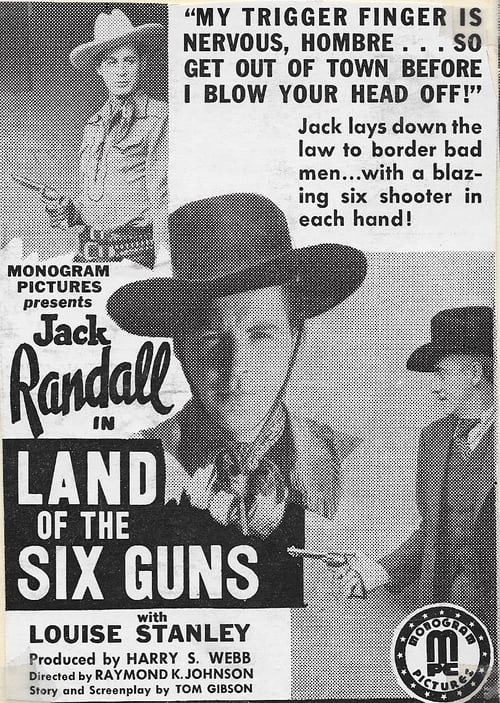
Land of the Six Guns
1940
No user ratings available yet
Representation score: 1.3 out of 10
Representation Score
Minimal
1937
PassedDirector
Irvin Willat
Runtime
60 minutes
Average Rating
No ratings yetNew Showbiz Analysis
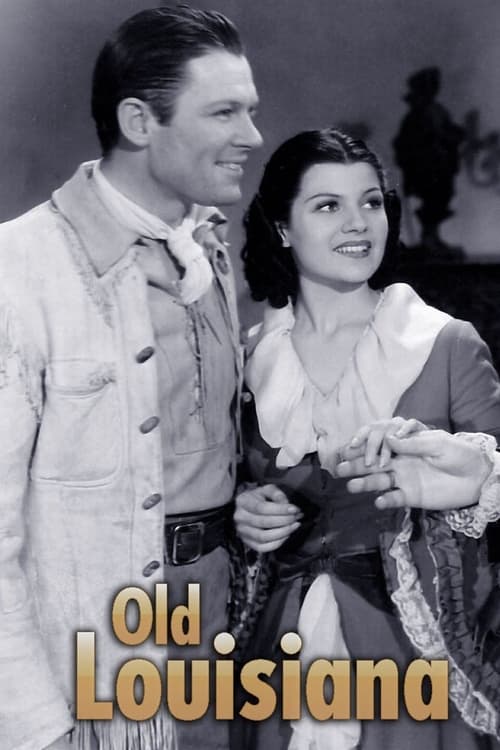
Old Louisiana is a period Western that emphasizes traditional political conflicts and masculine-driven narratives. The plot centers on the rivalry between Gilmore, an arms dealer, and John Colfax, who opposes his efforts to manipulate territorial governance. The film reflects the narrative structures common in 1930s cinema, focusing on male-driven political struggles and the establishment of law and order during the Louisiana Purchase era. Overall, the film lacks complexity in its portrayal of diverse identities and systemic critiques, focusing instead on dominant political actors.
Category Breakdown
The film does not include any characters with LGBTQ+ identities or same-sex relationships. It follows the traditional heterosexual norms typical of 1930s Westerns.
The story centers on a male-dominated power struggle involving political tactics and weapons. There is no indication of women taking significant roles or challenging traditional gender norms.
The plot focuses on a political conflict between two male figures. It does not provide information about indigenous populations or characters from non-Anglo-Saxon backgrounds within the Louisiana Territory.
The film adheres to a traditional Western narrative focused on territorial expansion. It does not include any critique of capitalist or Western institutions.
There is no evidence of characters with visible or invisible disabilities in the film.
Present on Screen
Limited or Absent
Official Synopsis
The Louisiana Purchase is imminent and Gilmore is smuggling guns into St. Louis so his men can make him Governor of the new Louisiana Territory. But John Colfax fights to defeat Gilmore.
1940
1969
1939
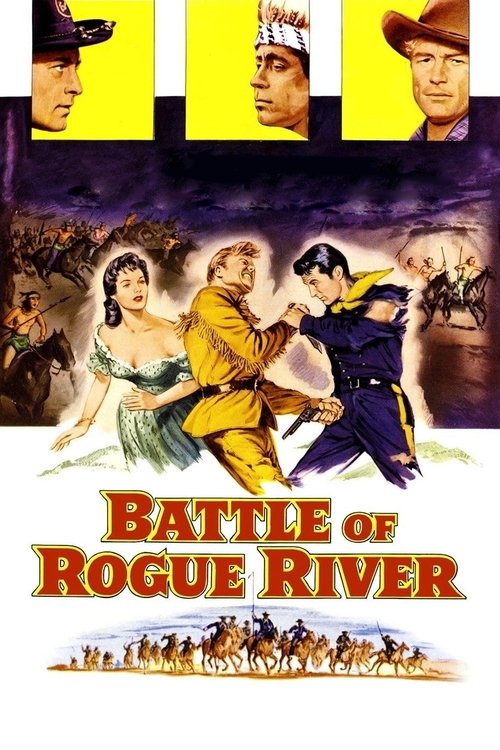
1954
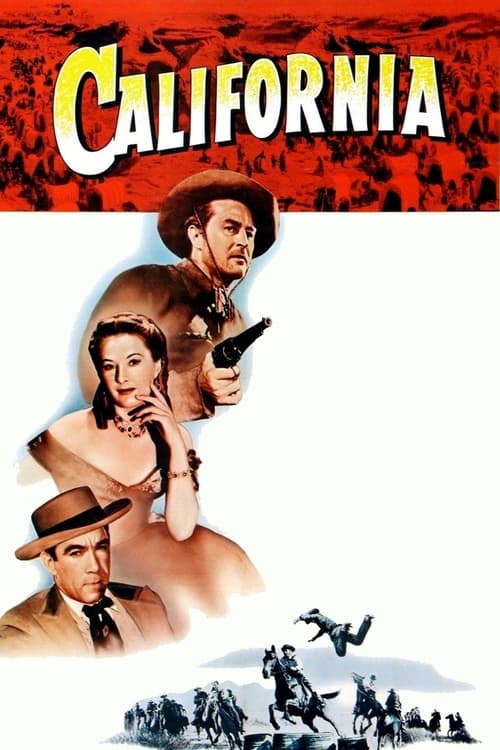
1947
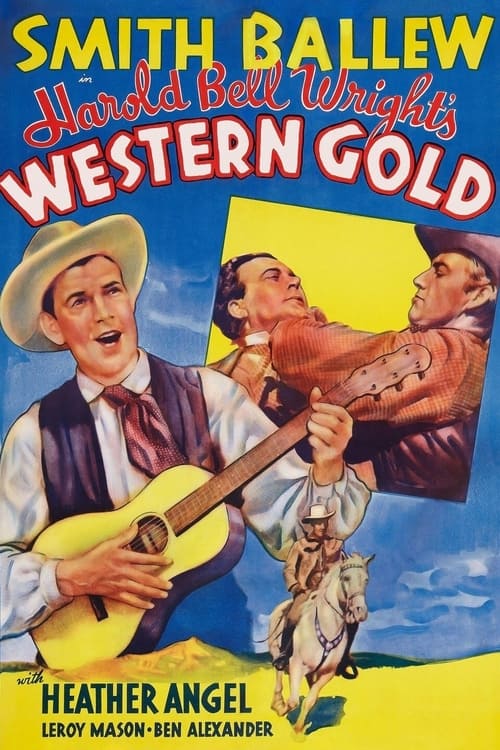
1937
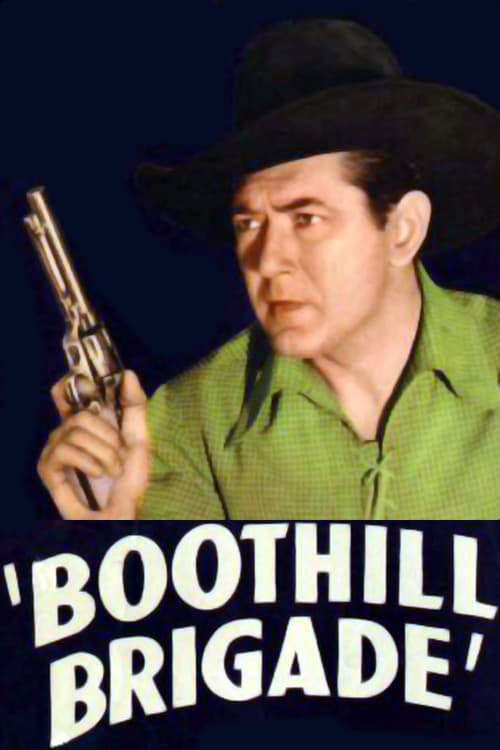
1937
1943
No reviews yet. Be the first to share your thoughts on this movie!
Use the rating form above to leave a star rating and optional review.