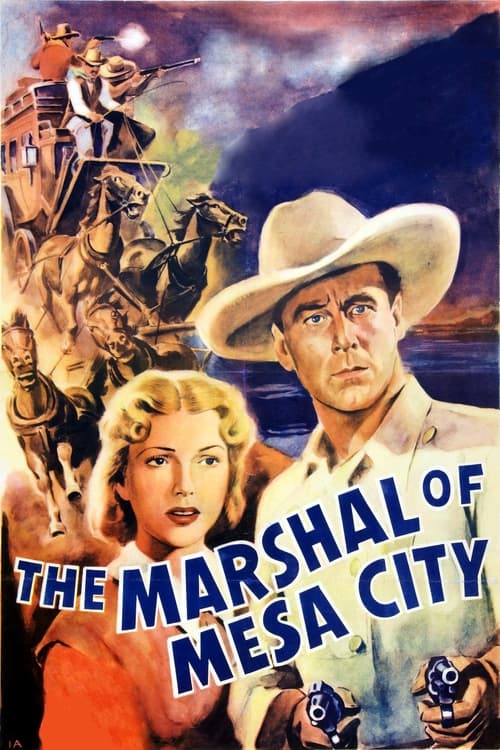
The Marshal Of Mesa City
1939
No user ratings available yet
Representation score: 0.5 out of 10
Representation Score
Minimal
1943
ApprovedDirector
Elmer Clifton
Runtime
56 minutes
Average Rating
No ratings yetNew Showbiz Analysis
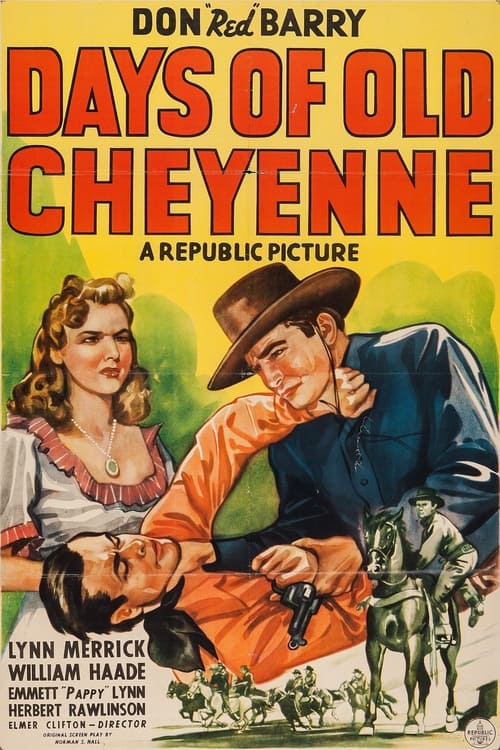
Days of Old Cheyenne is a conventional 1940s Western that emphasizes traditional genre clichés over social complexity. The story follows a straightforward path of physical strength and political rise, centered on a conflict between personal integrity and systemic corruption. The film adheres to the era's standard cinematic frameworks, focusing on traditional masculine archetypes and established power structures. It provides a clear moral conflict between a protagonist and a corrupt political boss. Overall, the production lacks depth in representing diverse identities, reflecting the period's standard casting and narrative practices.
Category Breakdown
The film does not include any characters with LGBTQ+ identities. The story revolves around traditional masculine pursuits such as physical combat and political strategy.
Male characters, particularly Clint Ross, have the most influence. The roles of Marshal and Governor emphasize traditional masculine roles without any female characters.
The story likely centers on Anglo-Saxon protagonists typical of 1940s Westerns. There is no indication of diverse casting or ethnic representation.
The plot presents a clear moral conflict between a hero and a corrupt villain, upholding traditional Western values of justice without challenging social institutions.
The narrative does not feature any characters with physical, sensory, or neurodivergent disabilities.
Present on Screen
Limited or Absent
Official Synopsis
Clint Ross's skill at fisticuffs earns him the town marshal's job in Cheyenne. Thanks to the string-pulling of political boss Big Bill Harmon, Ross makes it all the way up to the governor's office. But when Ross figures out that Big Bill is a big crook, it's showdown time.
1939
1939
1936
1941
1936
1944
1952
1936
No reviews yet. Be the first to share your thoughts on this movie!
Use the rating form above to leave a star rating and optional review.