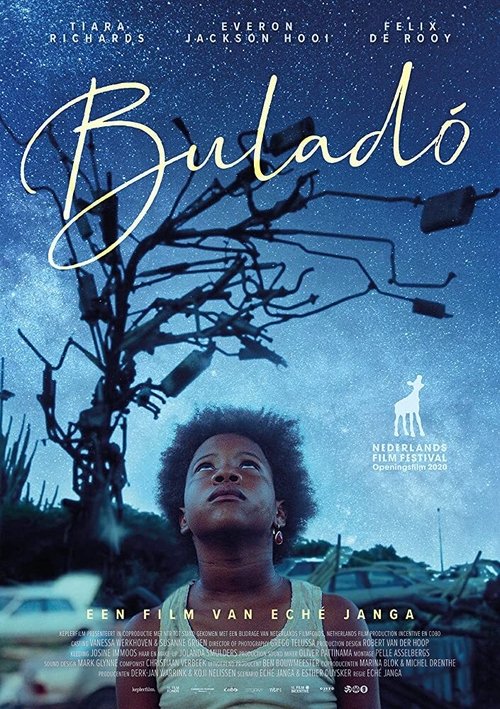
Buladó
2020
No user ratings available yet
Diversity score: 6.9 out of 10

2015
Director
Lucía Carreras, Ana V. Bojorquez
Runtime
76 minutes
Average Rating
No ratings yetSynopsis
Rocio, a Maya Mam girl, lives in the mountains with her mother, who is pregnant and her granny. Due to an early delivery from her mother, Rocio is stuck with caring for a herd of sheep, the first time she has done it on her own. Playing in the mountains she loses one of the sheep. Looking for it, she will lose the rest of the herd. In the midst of this tragedy, Rocio will have to face her innocence, conquer her fear of fog and learn that freedom entails responsibility. Nature will teach her that you do not have to defeat your fears, you just have to experience them. The Greatest House in the World is a story of children -which we all are- when facing fears, the unknown, the uncertain... the fog.
Overall Score
Good
Category Breakdown
LGBTQ+ Representation
The narrative focuses on familial bonds and the protagonist's internal growth. There is no explicit depiction of LGBTQ+ identities or non-heteronormative relationships present.
Gender Representation
Rocio, a young female protagonist, drives the story through her agency and emotional labor. The film highlights a female-centric perspective on resilience by centering her management of domestic and agricultural duties.
Racial & Ethnic Diversity
The film excels by centering a Maya Mam protagonist. This specific, culturally grounded approach avoids color-blind casting and offers a necessary departure from Anglo-centric storytelling.
Religious & Cultural Diversity
The story prioritizes a connection to ancestral landscapes over Western notions of progress. It explores maturity through the acceptance of responsibility and the embrace of the unknown.
Disability Representation
The film explores the psychological experience of fear and sensory challenges through the metaphor of fog. However, there is no explicit evidence of a character utilizing agency through a disability.
Strengths
Areas for Improvement
AI Analysis
The film is a significant work of intersectional storytelling that disrupts conventional Western narrative expectations. It succeeds by centering an indigenous female perspective to explore universal themes of agency. Its primary strength lies in its deep commitment to racial and ethnic authenticity. By placing a Maya Mam identity at the heart of the drama, the film provides a nuanced look at indigenous life. While the film excels in cultural specificity, it lacks visible queer presence and explicit disability representation. The narrative remains focused on the protagonist's internal development and familial connections.
2020
2018
2016
2021
2017
2020
2011
2018
2016
2012
2009
2009
No reviews yet. Be the first to share your thoughts on this movie!
Use the rating form above to leave a star rating and optional review.