
Puerto Padre
2014
No user ratings available yet
Representation score: 4.8 out of 10
Representation Score
Good
2011
Director
Marité Ugás
Runtime
99 minutes
Average Rating
No ratings yetNew Showbiz Analysis
The film offers a nuanced look at survival and ability to act within a landscape of environmental and social instability. By centering a Venezuelan coastal setting, it successfully provides a platform for regional ethnic representation and challenges Western-centric casting norms. However, the narrative lacks explicit representation for LGBTQ+ identities and visible disabilities. While the protagonist's psychological depth is evident, the film does not provide clear evidence of characters with disabilities being afforded ability to act. Ultimately, the work excels at challenging traditional moral constants and patriarchal structures, even if it remains limited in its breadth of identity representation.
Category Breakdown
The film does not include any visible queer identities or non-straight characters. The story centers on the protagonist's survival and his search for his mother.
While the main character is a young male, the story is driven by the emotional absence of a maternal figure. This focus disrupts traditional patriarchal hierarchies through the protagonist's psychological survival tactics.
Set along the Venezuelan coast, the film provides a naturalistic framework for diverse, non-Anglo-Saxon identities. It challenges Western-centric cinema by centering regional ethnic identities and social strata.
The story explores moral relativism through the protagonist's use of deception as a survival tool. It also examines how natural disasters disrupt the stability of the traditional family unit.
There is no explicit mention of physical or neurodivergent disabilities. However, the protagonist's constant reinvention of his story suggests a complex psychological coping mechanism for trauma.
Present on Screen
Limited or Absent
Official Synopsis
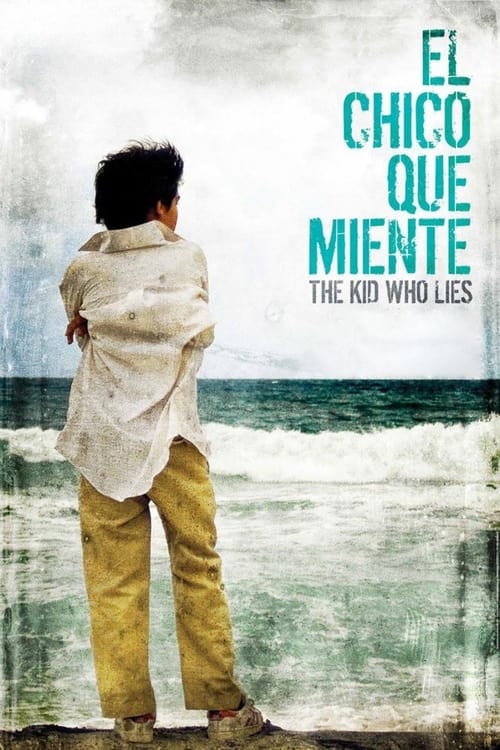
A 13-year-old kid starts a journey along the Venezuelan coast and, in order to survive, he captivates people by constantly reinventing his own story in the mudslide. His true past, however, will gradually become clearer. Ten years ago the mudslide took his mother, now he thinks he can find her. He has a difficult road ahead of him, but there is also a world yet to be discovered.
2014

2010

2007

2017

2012

2019

2018

2013
No reviews yet. Be the first to share your thoughts on this movie!
Use the rating form above to leave a star rating and optional review.