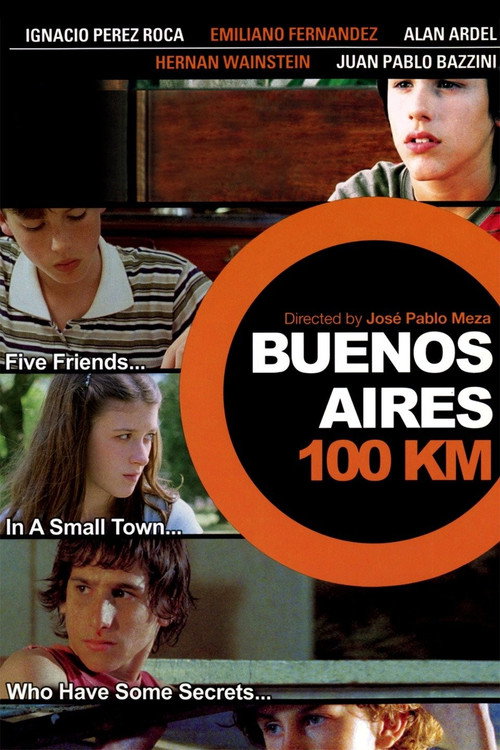
Buenos Aires 100 km
2005
No user ratings available yet
Representation score: 5.0 out of 10
Representation Score
Good
2009
TV-PGDirector
Julia Solomonoff
Runtime
88 minutes
Average Rating
No ratings yetNew Showbiz Analysis
The film excels in providing a culturally specific South American narrative that avoids Anglo-centric clichés. By setting the story in 1970s Argentina, it uses a personal coming-of-age journey to reflect broader systemic and political shifts. However, the film lacks explicit representation of LGBTQ+ identities and disabilities. The narrative stays within traditional developmental frameworks, focusing on social transitions rather than diverse identity-based experiences. Ultimately, the work achieves a sophisticated level of representation through its historical depth and regional identity, even though it does not explicitly address specific underrepresented identity groups.
Category Breakdown
The story focuses on the developmental changes within a group of children. There are no explicit depictions of non-straight or non-cisgender identities in the main plot.
The film centers on the experiences of young girls, particularly Jorgelina's relationship with her sister. It explores their internal emotions and changing social dynamics.
The production features a primarily Argentine and Latin American cast. It provides a culturally specific narrative that avoids Anglo-centric storytelling by focusing on a South American setting.
The narrative uses the historical context of the Argentine military dictatorship to critique institutional oppression. It presents the world through the subjective, moral relativism of childhood memories.
There are no prominent characters with visible or invisible disabilities. The focus remains on the psychological and social transitions of the protagonists.
Present on Screen
Limited or Absent
Official Synopsis
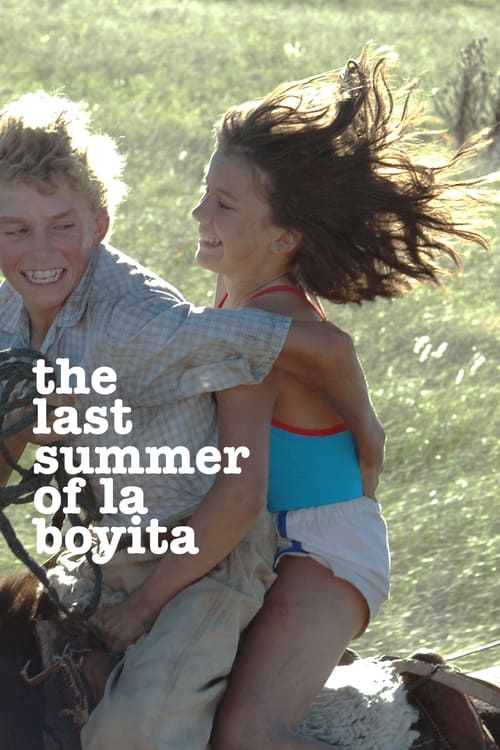
Young Jorgelina feels estranged from her boy-crazy older sister, who has entered adolescence and doesn't want to hang around with little kids anymore. Finding refuge in their Boyita camper-van, Jorgelina travels with her father to the countryside, where her lifelong playmate Mario is undergoing some unexpected changes.
2005
2017
2016
2014
2008

2024
2019

2016
No reviews yet. Be the first to share your thoughts on this movie!
Use the rating form above to leave a star rating and optional review.