Tom Medina
2021
No user ratings available yet
Diversity score: 6.7 out of 10
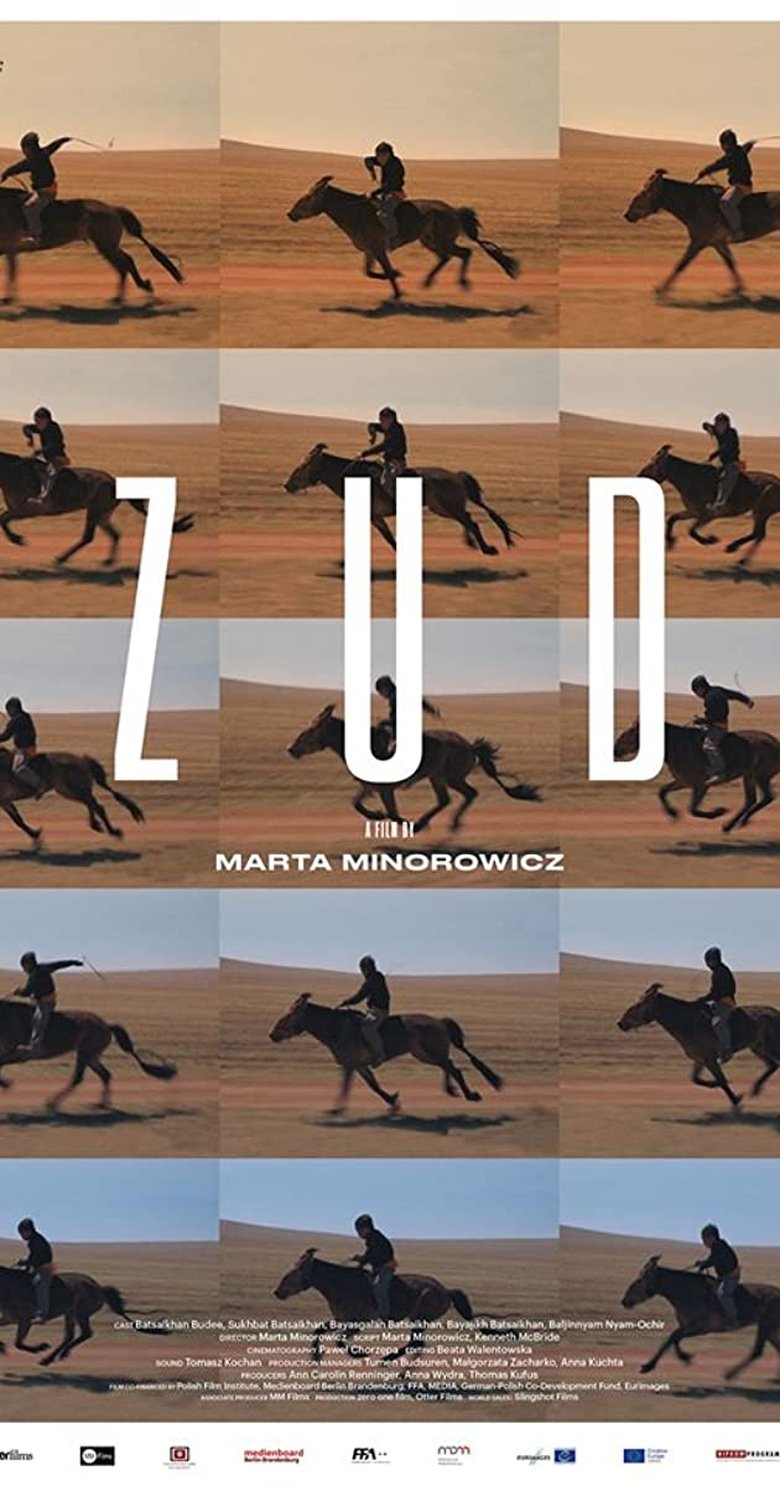
2016
Director
Marta Minorowicz
Runtime
85 minutes
Average Rating
No ratings yetSynopsis
As the unforgiving forces of nature take their toll on humans and animals, the unexpected return of snow devastates the nomad family’s livestock. 11-year old Sukbhat is forced to leave his childhood behind. Now the hopes of the family rely on the young boy who should tame and race the wild horse. An intense relation between father, son and their wild horse shows how nature overwhelms and influences human beings. Nobody remains unscathed after being confronted with the powers of the steppe.
Overall Score
Good
Category Breakdown
LGBTQ+ Representation
The narrative focuses on familial and ecological survival. There is no explicit mention of LGBTQ+ characters or themes within the story.
Gender Representation
The film centers on a traditional patriarchal structure involving a father and son. It subverts typical tropes by showing how nature overwhelms human agency and forces a child into a provider role.
Racial & Ethnic Diversity
The film offers significant representation of nomadic cultures in the Central Asian steppe. It successfully moves the cinematic lens away from Anglo-centric perspectives to focus on non-Western families.
Religious & Cultural Diversity
The story highlights a way of life often marginalized by globalized structures. It prioritizes indigenous ecological realities and the relationship between humans and the natural world over Western industrial progress.
Disability Representation
There is no evidence regarding characters with physical or neurodivergent disabilities. The focus remains on the struggle between the nomadic family and the environment.
Strengths
Areas for Improvement
AI Analysis
Zud is a naturalist drama that prioritizes indigenous ecological realities over traditional Western hero tropes. By centering the nomadic struggle against the zud phenomenon, the film disrupts conventional storytelling models and provides a necessary non-Western perspective. The film excels in its cultural and ethnic specificity, offering a meaningful look at life on the steppe. It avoids the typical individualistic triumph seen in Hollywood, instead focusing on how environmental catastrophe impacts a marginalized way of life. However, the film remains within a traditional familial framework and lacks engagement with identity politics regarding gender or sexuality. The representation is primarily focused on the intersection of nature and survival rather than diverse social identities.
2021
2015
2023
2017
2013
2010
2010
1979
2016
1984
2018
2000
No reviews yet. Be the first to share your thoughts on this movie!
Use the rating form above to leave a star rating and optional review.