Princess
2014
No user ratings available yet
Diversity score: 7.2 out of 10
2018
Director
Kamila Andini
Runtime
86 minutes
Average Rating
No ratings yetSynopsis
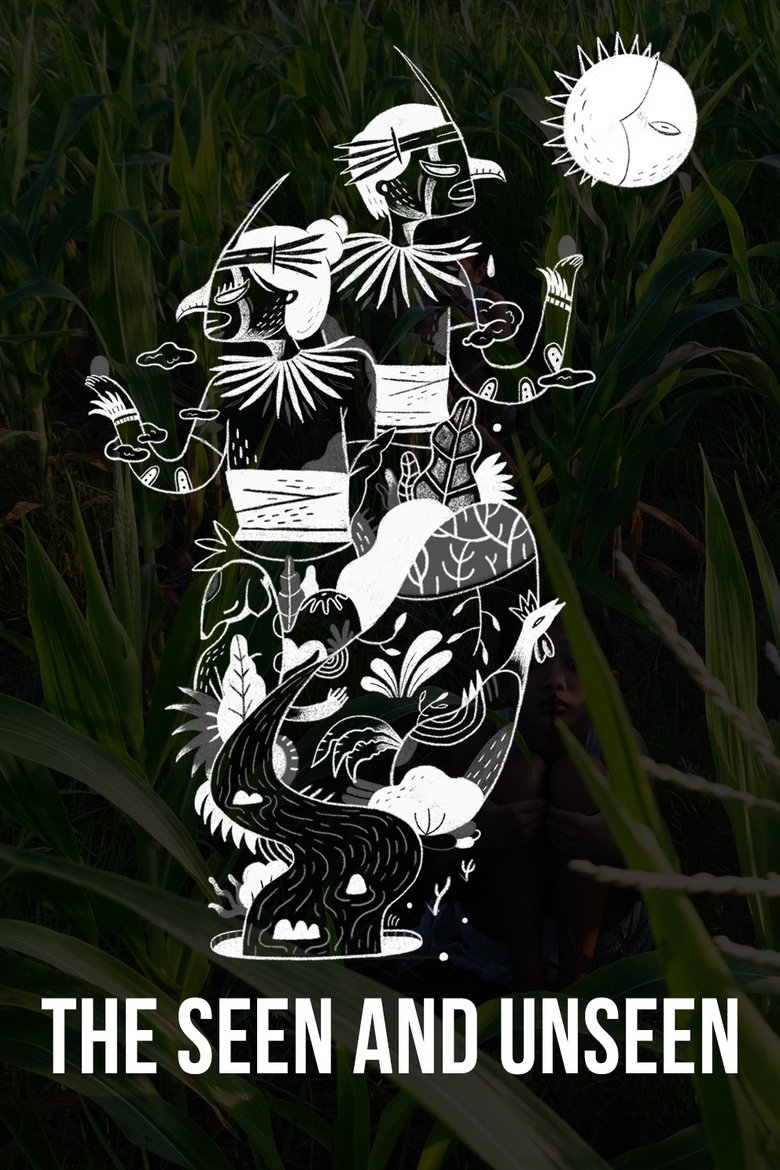
Tantra and Tantri are inseparable. When they secretly steal eggs from the family’s sacrificial offering, Tantri always gets the whites and Tantra the yolks. One day, however, the yolk is missing, as is Tantra. Her brother gravely ill and in hospital, Tantri starts slipping into magical parallel worlds, approaching the inevitable farewell through costumes, body paint and dance. When at one point Tantri’s mother washes the paint from her face, it is as if tenderly to expel the illusion that things can remain as they are. In long dream sequences and against the background of the Balinese philosophy of sekala – the seen – and niskala – the unseen – Andini relates how one ten-year-old girl deals with parting and grief.
Overall Score
Good
Category Breakdown
LGBTQ+ Representation
The film lacks explicit LGBTQ+ characters or narratives. It focuses on a spiritual sibling bond within traditional familial structures, maintaining a neutral stance on identity politics.
Gender Representation
Tantri, a young female protagonist, drives the narrative through her emotional agency. She uses dance and ritual to navigate trauma, positioning the female experience as the primary lens.
Racial & Ethnic Diversity
The film provides an immersive depiction of Balinese culture. It centers an Indonesian cast and utilizes local philosophies to offer a robust counter-narrative to Western-centric cinematic norms.
Religious & Cultural Diversity
The story prioritizes a localized, non-Western spiritual framework. It uses a magical-realist interpretation of the afterlife and a cyclical, ritualistic approach to life and death.
Disability Representation
The film explores the invisible experience of psychological trauma. The protagonist's descent into parallel worlds serves as a dignified portrayal of altered sensory perception and coping.
Strengths
Areas for Improvement
AI Analysis
Kamila Andini’s work succeeds by centering Balinese epistemology, moving beyond mere aesthetic choices to present a sophisticated, non-Western worldview. The film's strength lies in its cultural immersion and its focus on a female-driven psychological journey. While the film lacks explicit LGBTQ+ representation, it excels in racial and cultural authenticity. It challenges Western narrative hegemony by utilizing indigenous philosophies like sekala and niskala to structure its storytelling. The narrative treats internal psychological states with dignity, though it does not focus on formal disabilities. Overall, it is a significant work of intersectional storytelling that prioritizes sensory and spiritual depth.
2014
2020

2021
2018

2019

2009

2019
2016

2018
2019
2017
2018
No reviews yet. Be the first to share your thoughts on this movie!
Use the rating form above to leave a star rating and optional review.