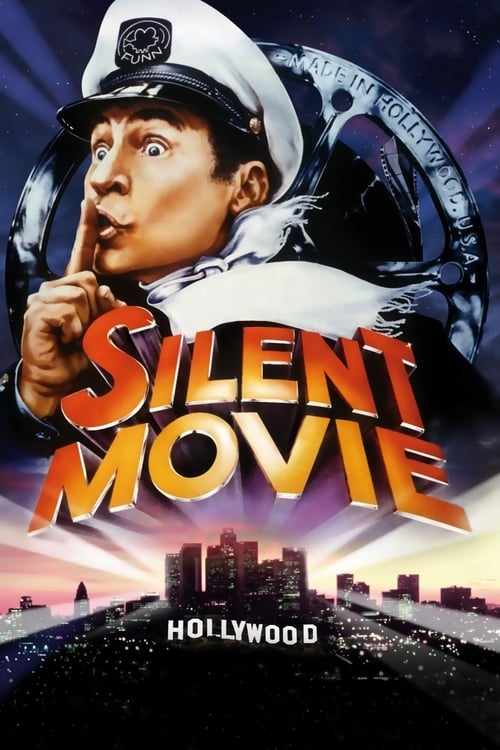
Silent Movie
1976
No user ratings available yet
Diversity score: 3.0 out of 10

1955
ApprovedDirector
Frank Tashlin
Runtime
110 minutes
Average Rating
No ratings yetSynopsis
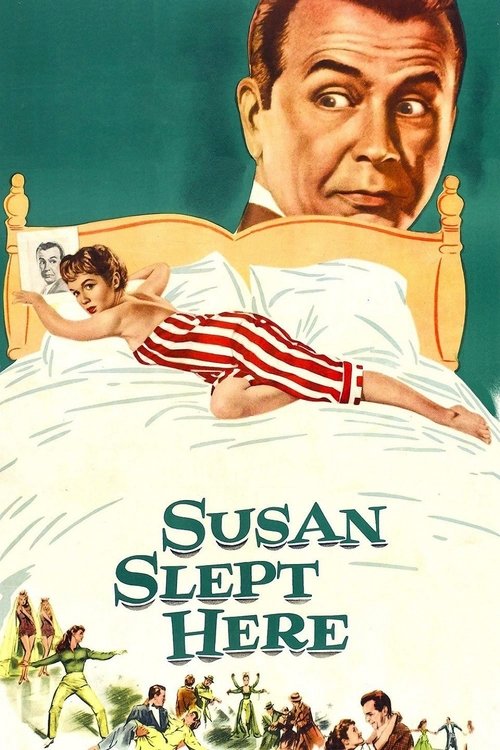
A struggling painter begins taking inspiration from the dreams of his friend and roommate, a comic book fan who narrates an adventure story while he sleeps, but unbeknownst to the latter, the artist of his favorite comic book lives in the same building as they do with the model for her drawings.
Overall Score
Limited
Category Breakdown
LGBTQ+ Representation
The film lacks any queer subtext or non-cisnormative identities. It adheres strictly to heteronormative romantic structures and traditional courtship.
Gender Representation
Eve Arden provides a sharp-tongued, intellectually agile presence that offers some female agency. However, the narrative remains tethered to mid-century patriarchal gender roles.
Racial & Ethnic Diversity
The cast is predominantly white and homogeneous. The New York fashion setting lacks racial intersectionality or characters of color in positions of agency.
Religious & Cultural Diversity
The story offers a mild satire of the superficiality found in the fashion industry. It operates within a conventional moral framework without radical social commentary.
Disability Representation
There are no prominent depictions of visible or invisible disabilities. Characters function within standard able-bodied comedic archetypes.
Strengths
Areas for Improvement
AI Analysis
Frank Tashlin’s comedy functions as a polished reflection of 1950s social norms rather than a critique of them. While the film avoids crude caricatures, it lacks the intentionality needed to disrupt the era's established hierarchies. The production is defined by its homogeneity, particularly regarding race and sexual orientation. The narrative relies on traditional romantic paradigms and a white-centric view of the professional art world. Ultimately, the film provides a lighthearted look at professional artifice. It offers minor agency to its female lead through wit, but fails to challenge the underlying systemic structures of the time.
1976

2004
1959
1950
1954
1961

1946
1958
1960
No reviews yet. Be the first to share your thoughts on this movie!
Use the rating form above to leave a star rating and optional review.