Bowfinger
1999
No user ratings available yet
Representation score: 1.2 out of 10
Representation Score
Fair
1976
PGDirector
Mel Brooks
Runtime
87 minutes
Average Rating
No ratings yetNew Showbiz Analysis
Mel Brooks uses his signature comedic subversion to parody the cinematic traditions of the silent era. While the film offers a sophisticated postmodern look at film history, it remains tied to the archetypes of the period it mocks. The heavy reliance on established genre clichés leads to a conservative approach to representation. The film prioritizes slapstick and situational chaos over actively disrupting contemporary social hierarchies or multi-layered identity politics. Ultimately, the work celebrates cinematic history through a lens that mirrors the very structures it seeks to deconstruct, resulting in limited progress in modern diversity metrics.
Category Breakdown
The film follows traditional romantic archetypes centered around straight relationships. It lacks significant representation of LGBTQ+ identities or narratives that challenge established romantic frameworks.
Character dynamics reflect early 20th-century gender roles. Although the female lead drives the plot, the humor relies on slapstick rather than challenging gendered power structures.
The cast includes diverse comedic performers, such as Marty Feldman. However, the film does not use multi-layered casting to challenge historical norms or promote a non-Anglo-Saxon majority.
The narrative comments on film history rather than critiquing Western institutions. It does not frame religion, family, or capitalism as inherently oppressive.
Comedy often relies on exaggerated physical traits typical of the silent era. The film lacks a nuanced exploration of physical disabilities or neurodivergence through a lens of lived experience.
Present on Screen
Limited or Absent
Official Synopsis
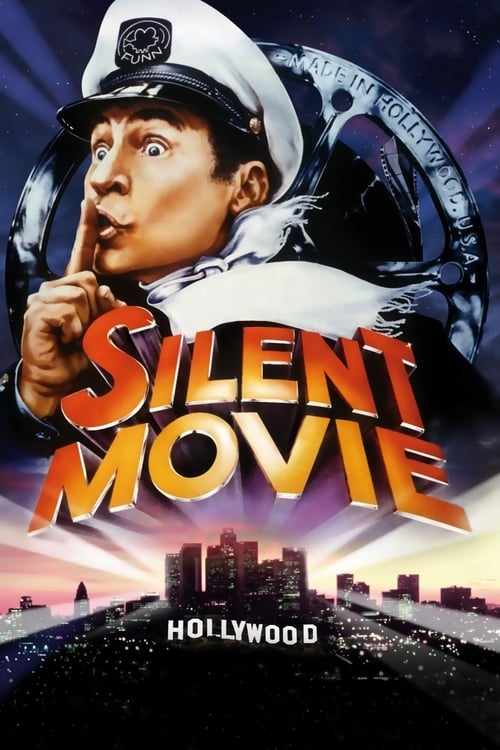
Aspiring filmmakers Mel Funn, Marty Eggs and Dom Bell go to a financially troubled studio with an idea for a silent movie. In an effort to make the movie more marketable, they attempt to recruit a number of big name stars to appear, while the studio's creditors attempt to thwart them.
1999
1995
1968

1997
2005
1965

2012

1989
No reviews yet. Be the first to share your thoughts on this movie!
Use the rating form above to leave a star rating and optional review.