Harvey
1972
No user ratings available yet
Representation score: 4.3 out of 10
Representation Score
Limited
1950
NRDirector
Henry Koster
Runtime
104 minutes
Average Rating
No ratings yetNew Showbiz Analysis
Set in the 1950s, the film reflects the social constraints of the time, lacking diverse representation of LGBTQ+ identities and racial diversity. However, it challenges the pathologization of neurodivergence and critiques oppressive social hierarchies. The film uses a gentle approach to masculinity and social interaction to highlight the flaws in rigid authority figures.
Category Breakdown
The film does not include any LGBTQ+ identities or same-sex relationships.
The film passes the Bechdel test but maintains traditional gender roles. It challenges traditional masculinity by showing rigid authority figures as ineffective.
The film's setting is homogeneous, featuring a predominantly white, upper-middle-class cast with little racial diversity.
The film critiques Western institutions and social hierarchies, celebrating a gentle rejection of elitism.
The film portrays the protagonist's neurodivergence positively, emphasizing his unique perspective and granting him a significant role in driving the story.
Present on Screen
Limited or Absent
Official Synopsis
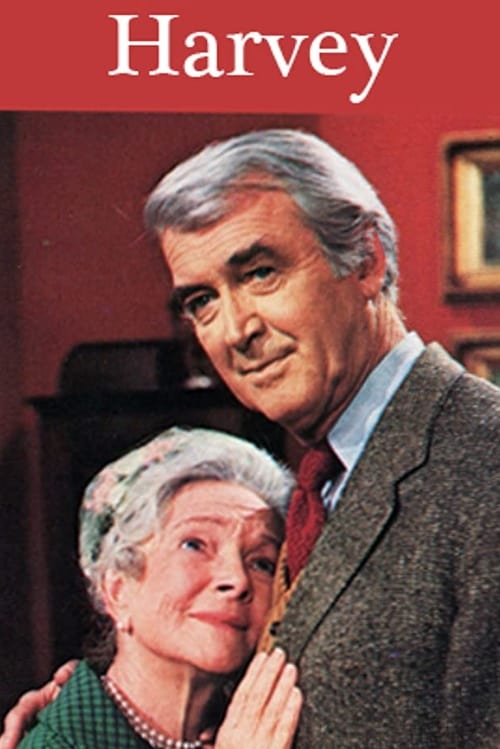
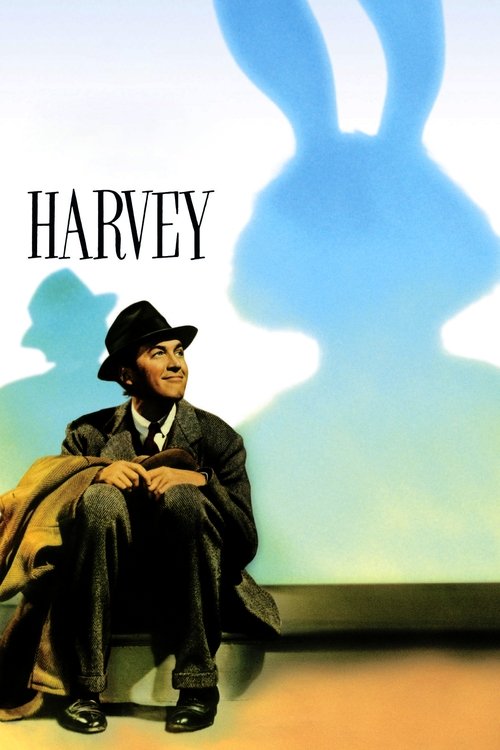
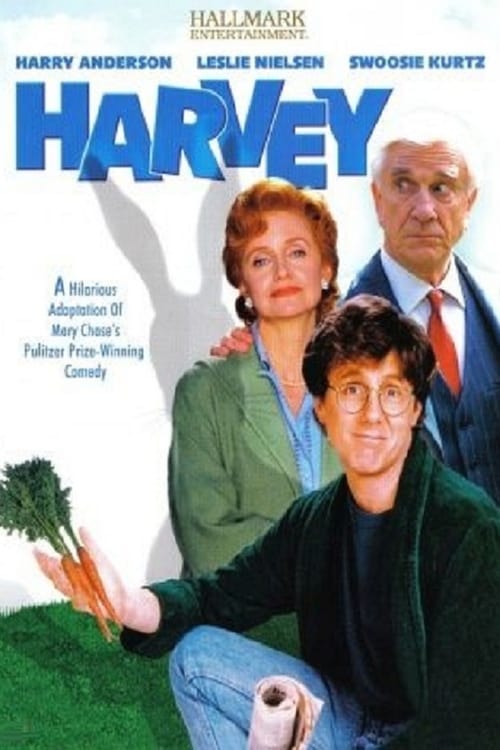
The story of Elwood P. Dowd who makes friends with a spirit taking the form of a human-sized rabbit named Harvey that only he sees (and a few privileged others on occasion also.) After his sister tries to commit him to a mental institution, a comedy of errors ensues. Elwood and Harvey become the catalysts for a family mending its wounds and for romance blossoming in unexpected places.
1972
1945
1996
1958
1977
1947
1991
1963
No reviews yet. Be the first to share your thoughts on this movie!
Use the rating form above to leave a star rating and optional review.