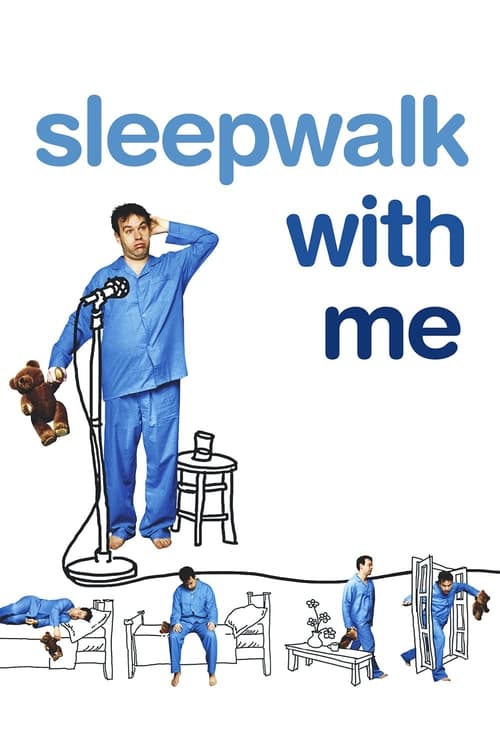
Sleepwalk with Me
2012
No user ratings available yet
Diversity score: 4.8 out of 10

2004
Director
Tristan Aurouet, Gilles Lellouche
Runtime
105 minutes
Average Rating
No ratings yetSynopsis
Gustave Klopp suffers from narcolepsy, he can fall asleep everwhere at anytime whithout warning. Living a simple life with his wife Pam and his best friend Lenny Bar, Gus decides to undergo therapy sessions and finds out that he can make incredible comics from his dreams.
Overall Score
Fair
Category Breakdown
LGBTQ+ Representation
The story centers on a heteronormative domestic structure between Gustave and his wife, Pam. There is no evidence of LGBTQ+ characters or narratives that critique traditional norms.
Gender Representation
The film follows a conventional protagonist-driven model. While Pam is a central figure, the narrative lacks a subversion of gender hierarchies or a deconstruction of masculinity.
Racial & Ethnic Diversity
The narrative appears to focus on a localized, individualistic struggle. There is no visible evidence of multi-ethnic integration or a diverse, non-Anglo-Saxon majority cast.
Religious & Cultural Diversity
The plot explores the intersection of narcolepsy and creative expression. It leans toward a standard individualistic character study rather than engaging with systemic or political critiques.
Disability Representation
The film centers on a protagonist navigating narcolepsy. It provides agency by showing Gustave transform his condition into a creative asset through dream-based comic creation.
Strengths
Areas for Improvement
AI Analysis
Narco is a character-driven comedy that finds its strength in its central premise of turning a neurological condition into a creative vocation. By focusing on Gustave's ability to produce comics from his dreams, the film offers a degree of agency to a character with a disability. However, the film adheres to traditional storytelling tropes. The narrative structure is largely heteronormative and individualistic, lacking the intersectional complexity or systemic critique found in more progressive works. It functions as a standard character study rather than a tool for social commentary. Ultimately, while the film provides a platform for a unique medical experience, it remains within conventional boundaries regarding gender, race, and sexual orientation.
2012
1955

2013

1993

2015

2007
No reviews yet. Be the first to share your thoughts on this movie!
Use the rating form above to leave a star rating and optional review.