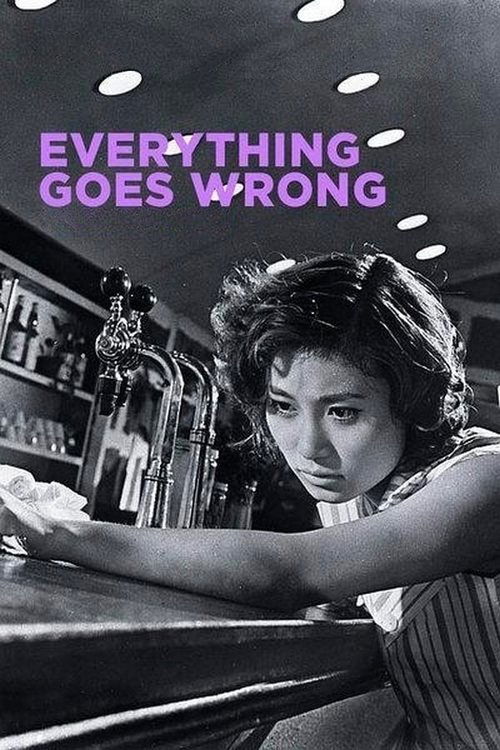
Everything Goes Wrong
1960
No user ratings available yet
Representation score: 5.2 out of 10
Representation Score
Limited
1966
TV-PGDirector
Yasuo Furuhata
Runtime
85 minutes
Average Rating
No ratings yetNew Showbiz Analysis
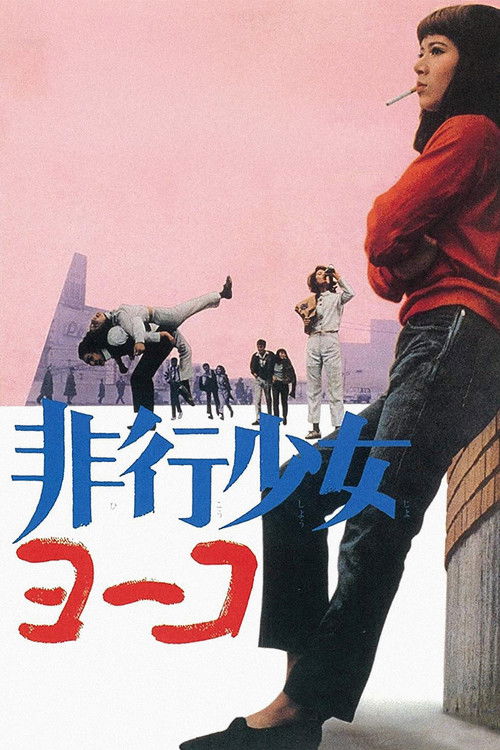
Pretty Devil Yoko is a social realist drama centered on a young woman's migration from the countryside to Tokyo. The film uses a coming-of-age framework to examine the friction between provincial morality and urban decadence. While the film lacks multi-layered identity-based representation, it gains merit by centering its narrative on a female perspective. It moves beyond simple binaries to explore the dark negotiations of values required by modern urban life. Ultimately, the film's strength lies in its psychological realism and its exploration of how systemic urban complexities, including crime and power dynamics, disrupt traditional social stability.
Category Breakdown
The film does not include any LGBTQ+ narratives or characters with non-straight identities. The story focuses on traditional romantic and predatory interpersonal dynamics.
The female protagonist plays a central role in the narrative, providing her who play a significant role in driving the story. However, her autonomy is constantly challenged by male-dominated forces and attempts at sexual violence.
As a 1966 Japanese production, the cast is culturally homogeneous. It explores internal social strata, such as rural versus urban divides, rather than Western-style multi-layered racial diversity.
The film explores moral relativism by contrasting rural innocence with urban decadence. It disrupts idealized views of traditional social structures through themes of crime and social transgression.
There is no evidence of characters with visible or invisible disabilities in this work.
Present on Screen
Limited or Absent
Official Synopsis
Easily bored, but still innocent and naive countryside girl discovers partying in Tokyo is a ton of fun. Yakuza-to-be is an acquaintance who tries to rape her, and the typically bland but very-good-here the first boyfriend.
1960
1964

1960
1969
1960

1960
1978
1960
No reviews yet. Be the first to share your thoughts on this movie!
Use the rating form above to leave a star rating and optional review.