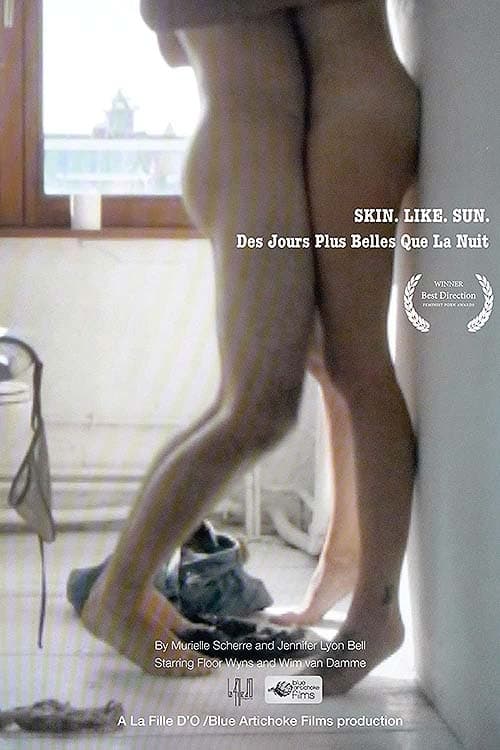
Skin. Like. Sun.
2010
No user ratings available yet
Diversity score: 5.4 out of 10
No Poster Available
1968
Director
Myron Ort
Runtime
28 minutes
Average Rating
No ratings yetSynopsis
Flower-generation celebration of love. "Filmed in San Francisco and Berkeley California in collaboration with my girlfriend at the time, the actress Donna Germain [...] When Stan Brakhage came to the SF Bay Area around 1968 and saw my 8mm film he wanted a print and we traded by footage count and that is why eventually ended up with a whole collection of his 8mm Songs. I believe Stan was influenced by this film in regards to in-camera superimposition [...] he used the technique in his very next films at the time." -MO
Overall Score
Fair
Category Breakdown
LGBTQ+ Representation
The film centers on a romantic bond between lovers, though their specific sexual orientations are not explicitly defined. The independent production style suggests a potential for non-traditional romantic depictions.
Gender Representation
The narrative focuses on the connection between Donna Germain and Myron Ort. It is unclear if the film explores or maintains traditional gender hierarchies within this singular relationship.
Racial & Ethnic Diversity
There is no information available regarding the racial or ethnic identities of the cast. Consequently, the film's approach to racial diversity cannot be assessed.
Religious & Cultural Diversity
The film prioritizes personal truth and subjective experience over commercial storytelling norms. This focus on peace and harmony suggests a departure from conventional cinematic structures.
Disability Representation
The provided context contains no information regarding the representation of physical or neurodivergent disabilities. No details are available to evaluate this aspect of the film.
Strengths
Areas for Improvement
AI Analysis
Love Must Love is an experimental, self-documented romance that prioritizes intimate, subjective experience over structured studio plots. By being filmed entirely by the lovers themselves, the film bypasses traditional media hierarchies in favor of a DIY, personal aesthetic. While the film's focus on peace and harmony suggests a humanistic approach, the lack of specific character details makes it difficult to gauge systemic representation. The production's independent nature offers a niche, authentic perspective that avoids mainstream commercial constraints. Ultimately, the film functions as a personal affirmation of beauty rather than a broad social commentary. Its impact lies in its rejection of formal production norms and its emphasis on individual agency.
2010
1959
1968
1970
1984

1968

1968
2021
2005
1980

1978

1965
No reviews yet. Be the first to share your thoughts on this movie!
Use the rating form above to leave a star rating and optional review.