
The Birth of Love
1993
No user ratings available yet
Representation score: 5.9 out of 10
Representation Score
Fair
2005
Director
Philippe Garrel
Runtime
183 minutes
Average Rating
No ratings yetNew Showbiz Analysis
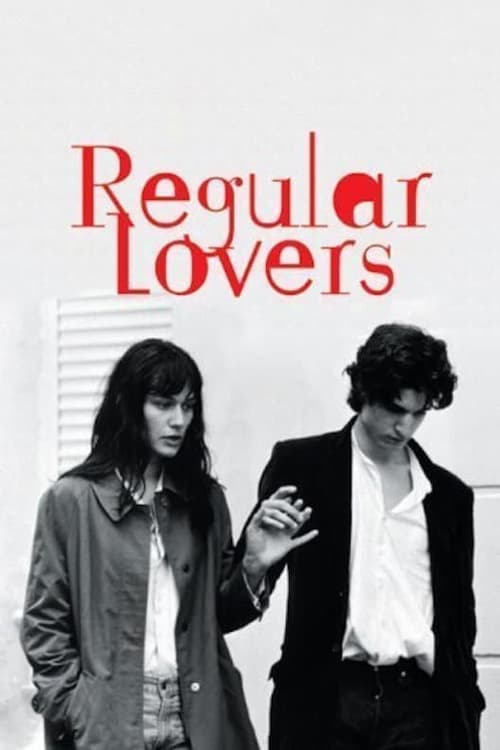
Philippe Garrel’s *Regular Lovers* is an intimate character study that prioritizes existentialist themes over broad demographic representation. It successfully deconstructs traditional gender roles through Lilie’s economic and creative independence, presenting her as a laborer rather than just a romantic figure. However, the film is deeply rooted in a specific era and social circle. Its lack of racial and LGBTQ+ representation reflects the narrow, bohemian Parisian context of the late 1960s rather than a diverse modern landscape. Ultimately, the film’s progressive qualities come from its thematic rejection of social hierarchies and its focus on individual empowerment during political upheaval.
Category Breakdown
The film focuses on a traditional romance between François and Lilie, without including explicit queer narratives or non-cisgender identities. It highlights the intensity of conventional romantic relationships.
Lilie challenges the passive muse stereotype by working as a self-sufficient sculptor and laborer. The film avoids reinforcing patriarchal structures, instead emphasizing a nuanced look at psychological tension and personal ability to act.
The cast primarily consists of white actors representing the bohemian intellectual community of 1968 Paris. There is no significant representation of non-Anglo-Saxon characters among the main roles.
The story thrives on anti-establishment sentiments during the May 1968 revolts. It prioritizes bohemian ethics and personal freedom over state-sanctioned patriotism or traditional religious practices.
There are no prominent depictions of physical or neurodivergent disabilities that significantly impact the narrative or define the characters.
Present on Screen
Limited or Absent
Official Synopsis
1968 and 1969 in Paris: during and after the student and trade union revolt. François is 20, a poet, dodging military service. He takes to the barricades, but won't throw a Molotov cocktail at the police. He smokes opium and talks about revolution with his friend, Antoine, who has an inheritance and a flat where François can stay. François meets Lilie, a sculptor who works at a foundry to support herself. They fall in love. A year passes; François continues to write, talk, smoke, and be with Lilie. Opportunities come to Lilie: what will she and François do?
1993
1972

2015

1980
2002
1960
2015
1970
No reviews yet. Be the first to share your thoughts on this movie!
Use the rating form above to leave a star rating and optional review.