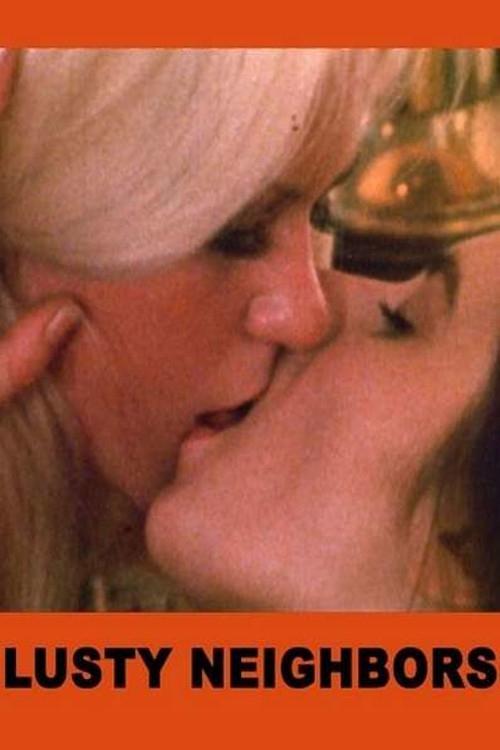
Lusty Neighbors
1969
No user ratings available yet
Diversity score: 4.0 out of 10
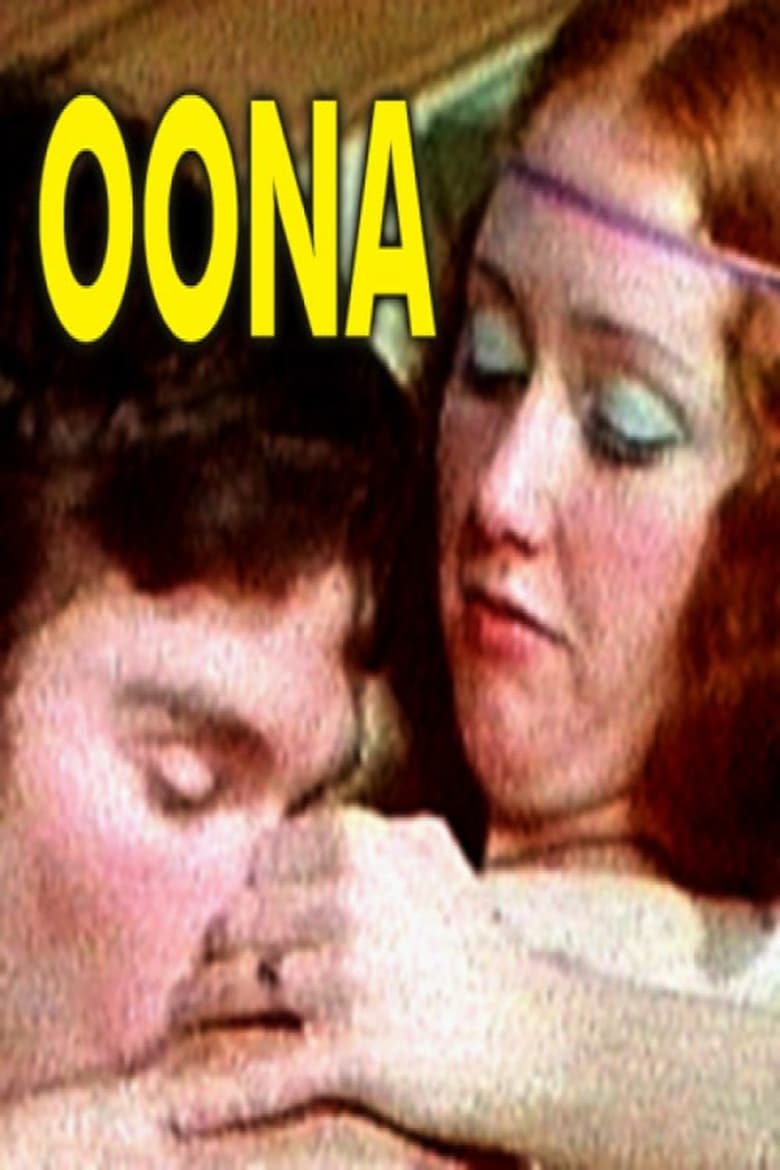
1970
XDirector
Lowell Pickett
Runtime
65 minutes
Average Rating
No ratings yetSynopsis
A straight-laced married couple become involved in wife swapping after gettting involved with a hippie flower child.
Overall Score
Fair
Category Breakdown
LGBTQ+ Representation
The film lacks explicit depictions of same-sex intimacy or non-cisnormative identities. The narrative focuses on reconfiguring heteronormative marriage through wife swapping rather than challenging sexual orientation norms.
Gender Representation
The story disrupts traditional domestic hierarchies by introducing a hippie catalyst to dissolve a straight-laced marriage. This shift suggests a move away from submissive femininity toward more fluid gender dynamics.
Racial & Ethnic Diversity
There is no evidence of a diverse or non-Anglo-Saxon cast. The focus on specific Western subcultures implies a homogeneous demographic typical of 1970s American cinema.
Religious & Cultural Diversity
The film offers high cultural subversion by critiquing the nuclear family and traditional social decorum. It prioritizes individualistic exploration and anti-establishment hippie ideologies over religious frameworks.
Disability Representation
The film provides no information regarding the inclusion or portrayal of characters with physical or neurodivergent disabilities.
Strengths
Areas for Improvement
AI Analysis
Oona serves as a transgressive look at the shifting social landscapes of the early 1970s. It succeeds in challenging the rigid domestic structures of the previous decade by exploring non-traditional marital arrangements and the influence of counter-culture movements. However, the film's impact is limited by a lack of intersectional breadth. While it subverts Western social norms, it remains tethered to a heterosexual framework and lacks racial diversity, making it a narrow exploration of social change. Ultimately, the film is a study of cultural disruption that fails to extend its lens to broader demographic or identity-based perspectives.
1969

2017

2000
2015

2018

2020

2010

2019

1969

1956
1997
1969
No reviews yet. Be the first to share your thoughts on this movie!
Use the rating form above to leave a star rating and optional review.