
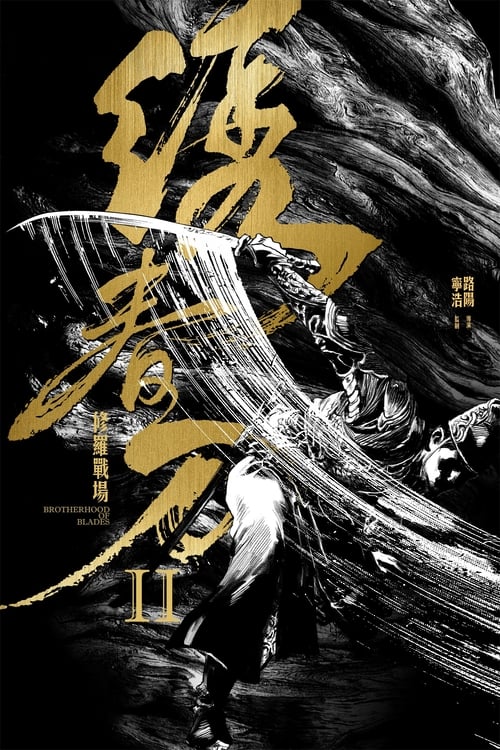
Brotherhood of Blades
2014
No user ratings available yet
Representation score: 5.9 out of 10
Representation Score
Fair
2017
NRDirector
Lu Yang
Runtime
120 minutes
Average Rating
No ratings yetNew Showbiz Analysis
Brotherhood of Blades II: The Infernal Battlefield is a genre-specific historical drama that prioritizes period authenticity and traditional masculine narratives. The film's structure is rooted in the wuxia tradition, emphasizing martial prowess and military duty. While the film does not incorporate contemporary multi-layered frameworks, it offers depth through its exploration of moral relativism. The tension between individual integrity and corrupt systemic hierarchies adds a sophisticated layer to the historical setting. Ultimately, the work is culturally grounded and traditionally structured. It succeeds as a period reconstruction but does not aim to challenge modern identity politics or social structures.
Category Breakdown
The film emphasizes traditional masculine brotherhood and military camaraderie, adhering to conventional structures typical of the historical wuxia genre.
The narrative is set within a heavily male-dominated military hierarchy. Female characters such as Bei Zhai play significant roles, but they often operate within the context of male-led investigations.
Set during the Ming Dynasty, the film features a historically accurate, ethnically homogeneous Han Chinese cast, functioning as a period-accurate reconstruction of its setting.
The film delves into the complexities of political conspiracy and institutional corruption, providing a nuanced critique of centralized authority and imperial power.
The story highlights the physical peak performance required for imperial guard combat. There is no significant portrayal of neurodivergent or physically disabled characters with real influence.
Present on Screen
Limited or Absent
Official Synopsis
An imperial guard searches for the truth behind a conspiracy that framed him and his partners. The proof of his innocence lies with a wanted woman named Bei Zhai... but will she reveal what she knows? In this intense prequel to BROTHERHOOD OF BLADES, the only thing he can truly trust is his sword.
2014
2015
2015
2016
2009

2022
2011
2020
No reviews yet. Be the first to share your thoughts on this movie!
Use the rating form above to leave a star rating and optional review.