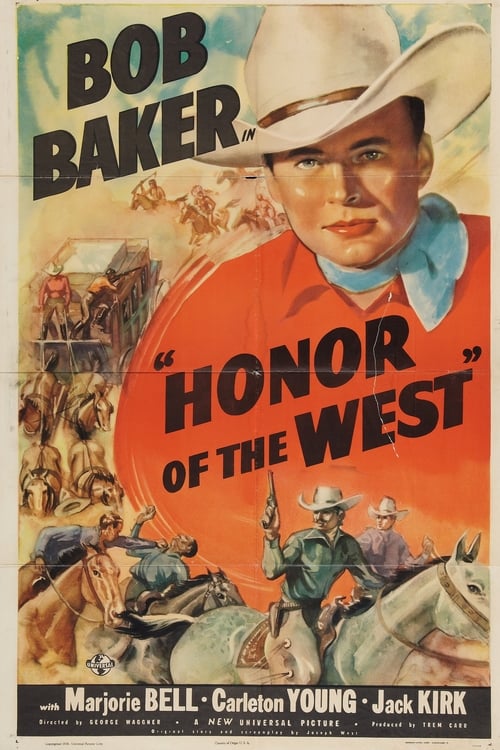
Honor of the West
1939
No user ratings available yet
Representation score: 0.3 out of 10
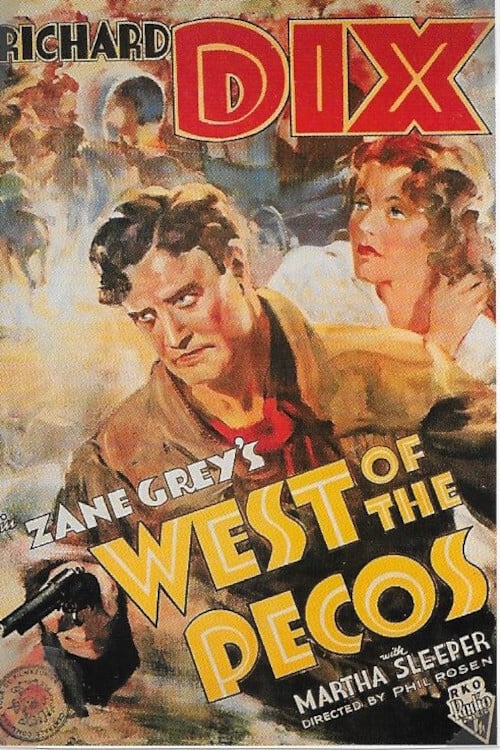
Representation Score
Minimal
1934
PassedDirector
Phil Rosen
Runtime
68 minutes
Average Rating
No ratings yetNew Showbiz Analysis
West of the Pecos is a classic example of its time, reinforcing the social and cultural norms of the 1930s. The film relies on traditional masculine leadership and conventional Western social structures. Its narrative architecture does not challenge the status quo, focusing on established social and economic orders rather than diverse or subversive storytelling.
Category Breakdown
The film does not include any representation of non-binary genders or same-sex relationships, sticking closely to the heterosexual norms of the 1930s.
The narrative focuses almost exclusively on the male protagonist, Pecos Smith, who drives the story. Female characters play supporting roles rather than independent ones.
The film portrays a society with little diversity, reflecting the genre's historical context. There are no significant roles for non-Anglo-Saxon characters.
The story centers on themes of ranching, land ownership, and frontier justice, promoting traditional Western values without questioning the underlying institutions.
There are no depictions of characters with visible or invisible disabilities. The film presents characters through the lens of physical capabilities expected in the Western genre.
Present on Screen
Limited or Absent
Official Synopsis
Richard Dix stars as Pecos Smith, a strong, silent Westerner suspected of cattle rustling.
1939
1940
1933
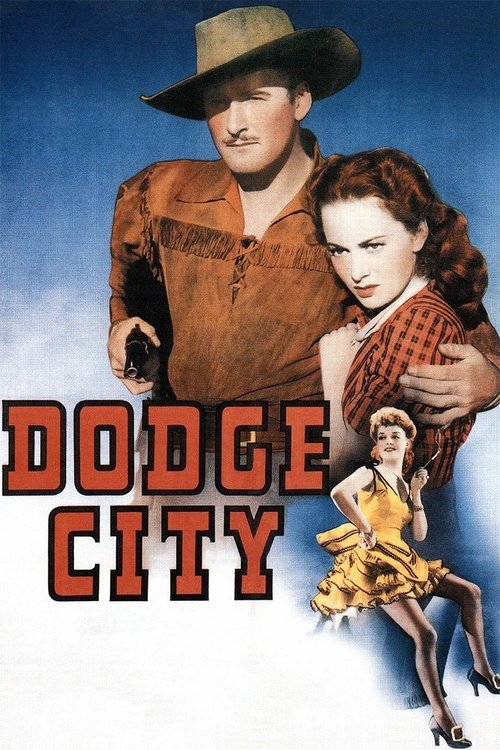
1939
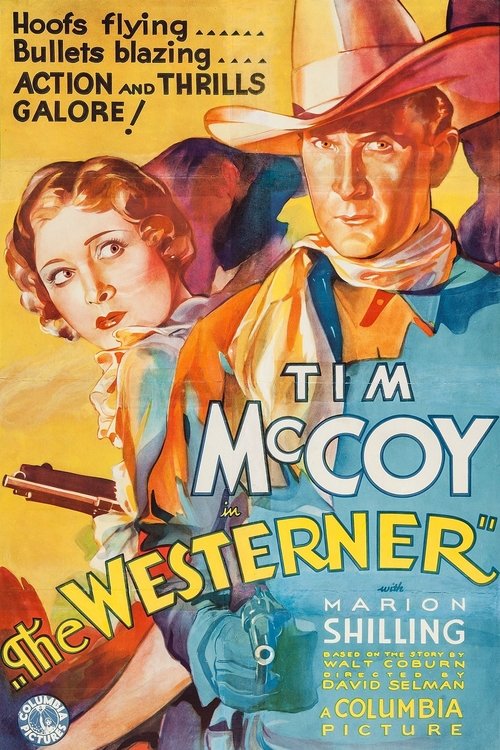
1934
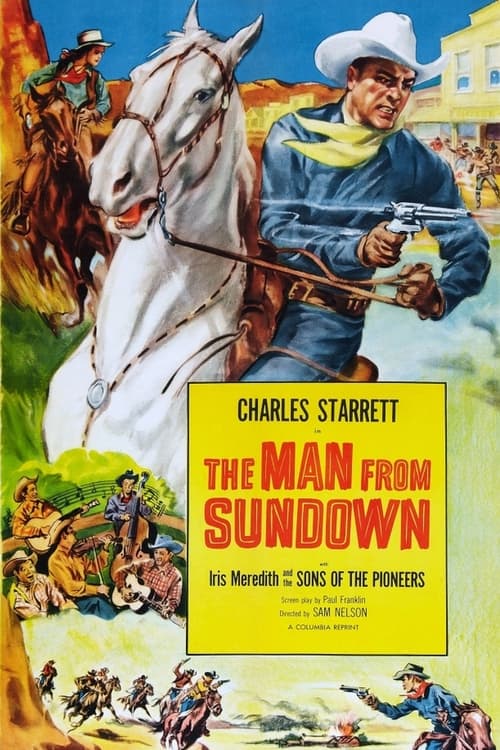
1939
1928
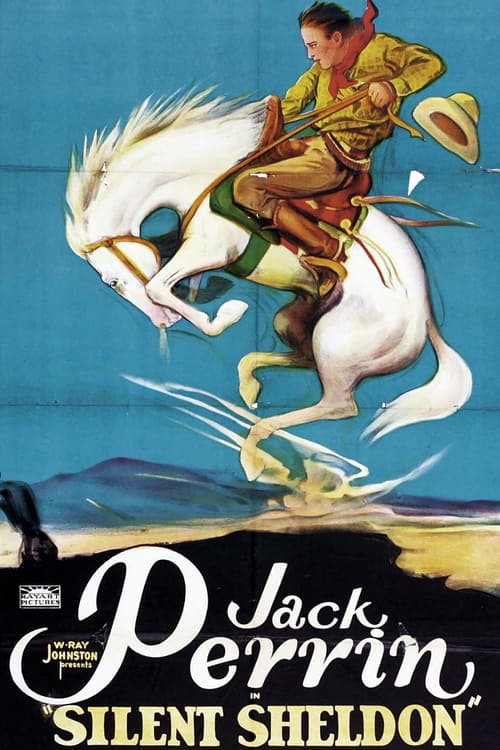
1925
No reviews yet. Be the first to share your thoughts on this movie!
Use the rating form above to leave a star rating and optional review.