Under Suspicion
1991
No user ratings available yet
Diversity score: 1.4 out of 10
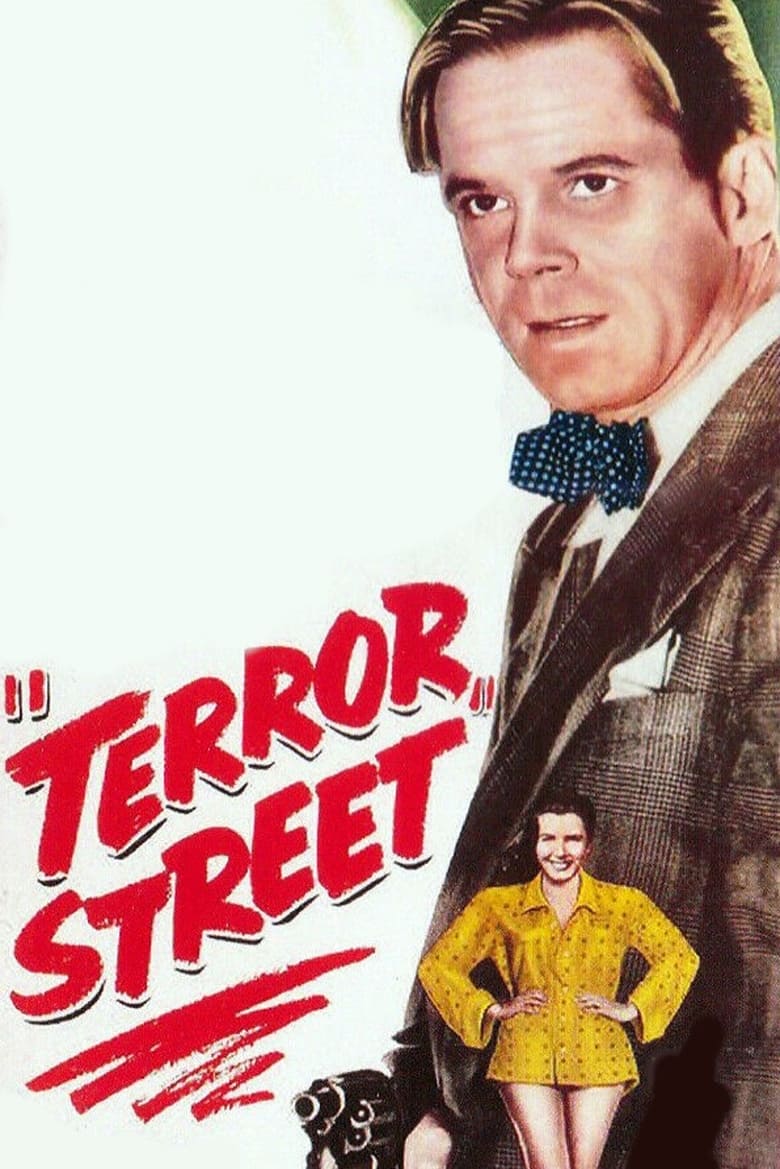
1953
NRDirector
Montgomery Tully
Runtime
80 minutes
Average Rating
No ratings yetSynopsis
When his wife stops writing to him and his letters are returned unanswered, Dan becomes extremely concerned about her welfare. He returns home but is only able to meet with her briefly before she is found murdered. Dan is the obvious suspect but has only 36 hours to find out who murdered her. In so doing he uncovers a shocking catalogue of his wife's past affairs and an identity that he knew nothing about.
Overall Score
Minimal
Category Breakdown
LGBTQ+ Representation
The film operates within a strictly heteronormative framework. There is no evidence of same-sex intimacy or non-cisnormative gender identities.
Gender Representation
Gender dynamics are traditional, with the male lead driving the investigation. The female character serves primarily as a catalyst through her victimization and past secrets.
Racial & Ethnic Diversity
The setting reflects the demographic homogeneity of post-war London. The cast centers on a white, Anglo-Saxon social fabric typical of the era.
Religious & Cultural Diversity
The narrative focuses on individual culpability and personal tragedy. It avoids systemic critiques or engagement with diverse religious or anti-capitalist perspectives.
Disability Representation
There is no discernible representation of physical, sensory, or neurodivergent disabilities within the characters or narrative.
Strengths
Areas for Improvement
AI Analysis
36 Hours is a period-specific crime thriller that adheres closely to mid-century genre conventions. The story prioritizes suspense and domestic mystery over social commentary, resulting in a narrative that mirrors the conservative standards of 1950s British cinema. The film lacks intentionality regarding the inclusion of marginalized identities. Instead, it relies on established tropes of infidelity and individual investigation, reinforcing the social hierarchies and demographic homogeneity of its time.
1991
1950
1951
1956

1934
1961
1952
1953
1956
1974
1952
1946
No reviews yet. Be the first to share your thoughts on this movie!
Use the rating form above to leave a star rating and optional review.