
Deadlocked
2000
No user ratings available yet
Representation score: 2.9 out of 10
Representation Score
Minimal
1974
UnratedDirector
E.W. Swackhamer
Runtime
74 minutes
Average Rating
No ratings yetNew Showbiz Analysis
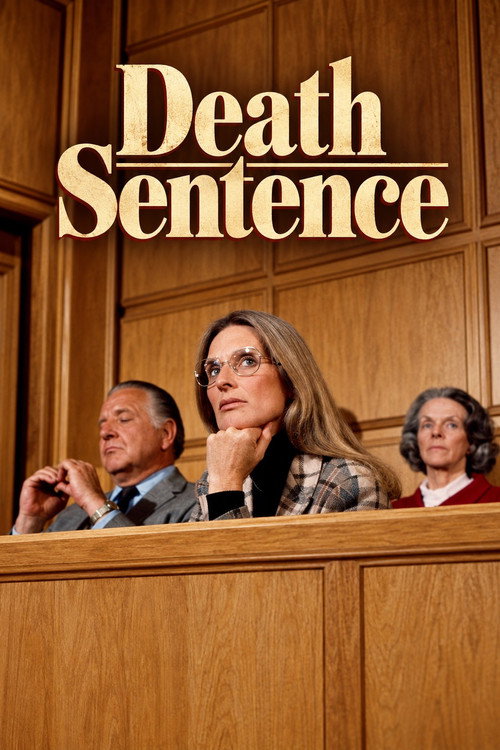
Death Sentence functions as a conventional domestic psychological thriller. The story centers on a juror who faces a moral dilemma after suspecting her husband is a murderer. This focus on the nuclear family and individual morality keeps the narrative within traditional boundaries. The film lacks intentional characters who reflect more than one aspect of diversity or disruption of social norms. It operates as a standard genre piece of its era, prioritizing suspense over the deconstruction of systemic hierarchies. Because the plot relies on a singular protagonist navigating a domestic conflict, it reinforces the social structures of the 1970s rather than challenging them.
Category Breakdown
The film does not include any LGBTQ+ identities. The main conflict revolves around a traditional marriage.
The female protagonist serves as a juror with civic responsibility. However, her role seems largely reactive to her husband's actions.
There is no indication of a diverse cast or perspectives outside Anglo-Saxon cultures. The show likely follows the homogenous casting practices typical of 1970s television.
The narrative explores institutional morality through the legal system. It lacks a critique of Western institutions or clear secular views.
There is no mention of neurodivergent characters or individuals with physical disabilities.
Present on Screen
Limited or Absent
Official Synopsis
A juror on a murder trial begins to believe that the man charged with the crime is innocent — and that the real killer is her own husband.
2000

1930
2006
1987

1973
1994
1993
1976
No reviews yet. Be the first to share your thoughts on this movie!
Use the rating form above to leave a star rating and optional review.