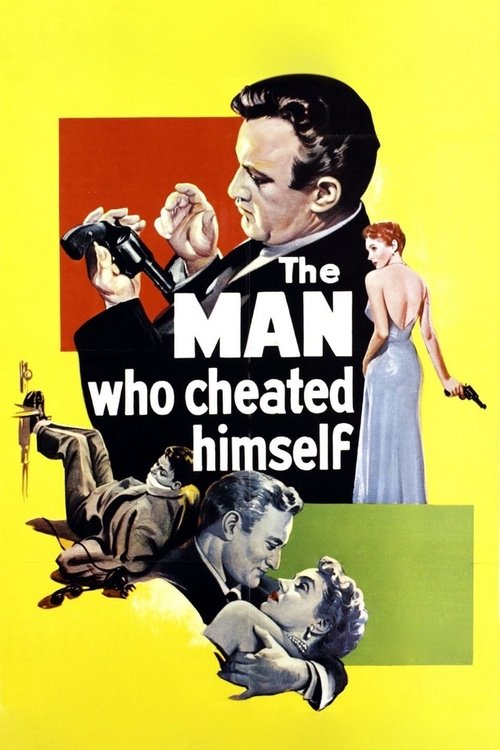
The Man Who Cheated Himself
1950
No user ratings available yet
Representation score: 0.5 out of 10
Representation Score
Minimal
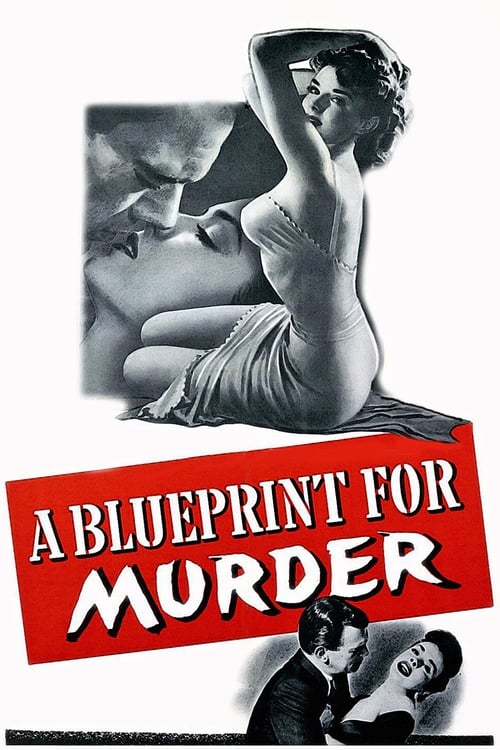
1953
ApprovedDirector
Andrew L. Stone
Runtime
77 minutes
Average Rating
No ratings yetNew Showbiz Analysis
A Blueprint for Murder is a classic mid-century crime thriller that adheres to the social and demographic norms of its time. The narrative prioritizes the preservation of traditional family structures and the legal system, reinforcing conventional hierarchies. The film relies on well-established genre clichés, such as the suspicious widow, to create suspense. This approach upholds a conservative cinematic standard that emphasizes social stability and homogeneous casting. Overall, the work serves as a period piece that highlights the era's limited diversity, focusing on a narrow, affluent, and predominantly white social stratum.
Category Breakdown
The film focuses on traditional family structures and does not include any non-straight or non-cisgender identities or intimate relationships.
The story uses mid-century gender roles, presenting the female lead as a 'femme fatale' who is viewed through suspicion and moral complexity.
The setting is a homogeneous, wealthy urban area with a predominantly white cast typical of 1950s cinema.
The plot depends on the stability of Western legal and social institutions, focusing on estate integrity without challenging established norms.
There are no visible or invisible disabilities portrayed as central to the character arcs or the plot.
Present on Screen
Limited or Absent
Official Synopsis
Whitney Cameron is in a quandary: he's attracted to his beautiful sister-in-law, Lynn, but also harbors serious suspicions about her. Her husband, Cameron's brother, died under mysterious circumstances, and now that the death of her stepchild, Polly, has been attributed to poisoning, he suspects that Lynn is after his late brother's estate, and killing everyone in her way.
1950
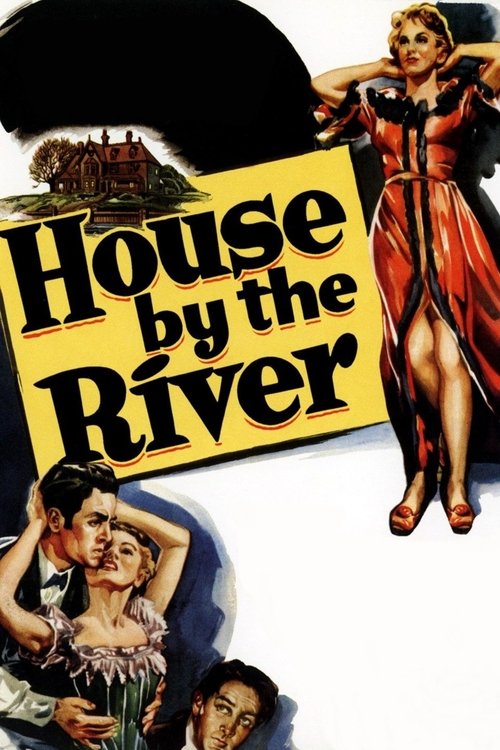
1950
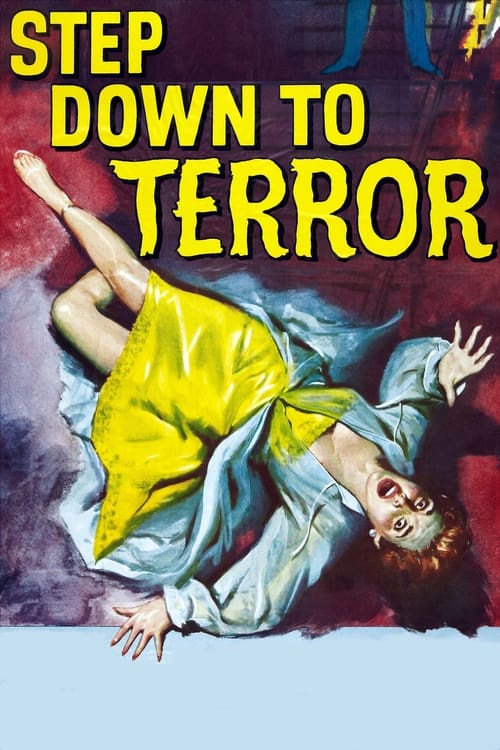
1958
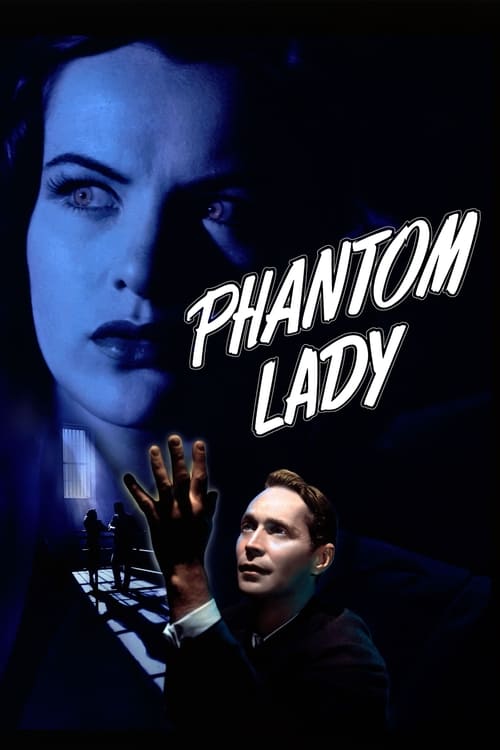
1944
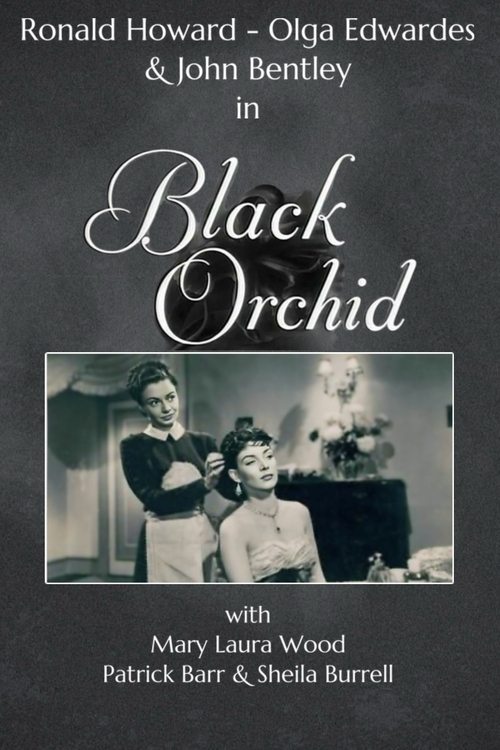
1953
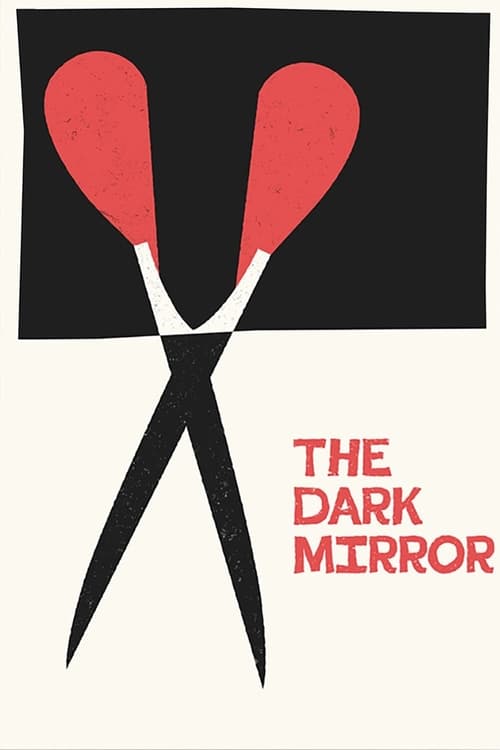
1946

1948
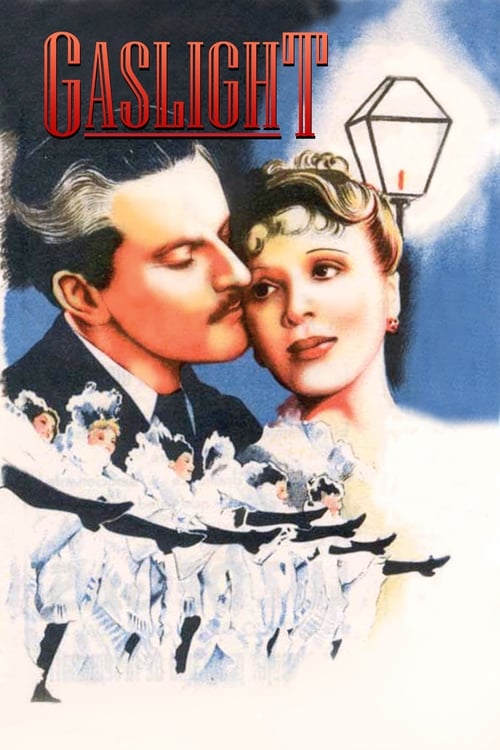
1940
No reviews yet. Be the first to share your thoughts on this movie!
Use the rating form above to leave a star rating and optional review.