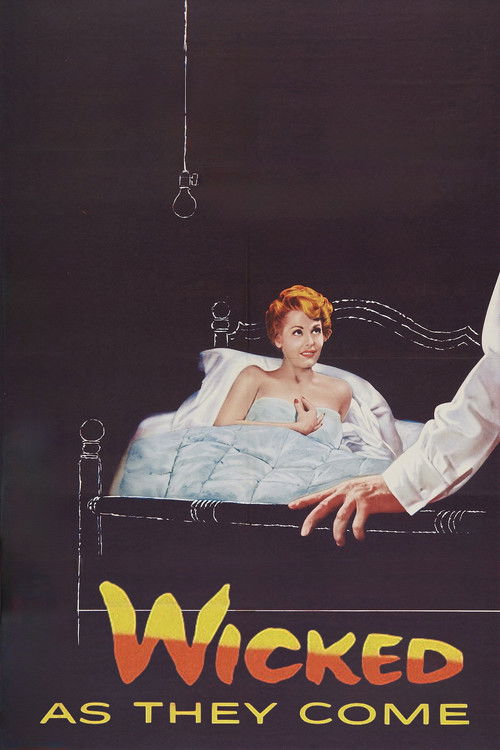
Wicked as They Come
1956
No user ratings available yet
Representation score: 1.4 out of 10
Representation Score
Limited
1957
NRDirector
Blake Edwards
Runtime
89 minutes
Average Rating
No ratings yetNew Showbiz Analysis
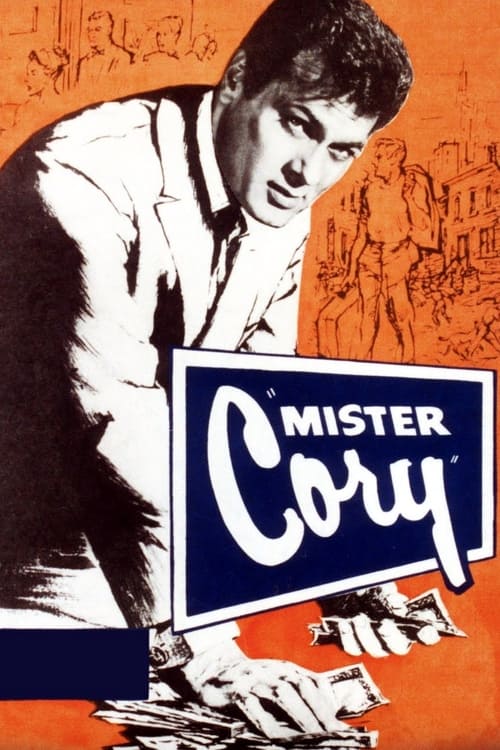
Mister Cory is a mid-century melodrama that emphasizes individual experiences over broader societal issues. Its narrative structure aligns with the social norms of its time. Though the film steers clear of harmful stereotypes and religious dogma, it does not challenge established social hierarchies. Instead, it concentrates on personal dramas rather than a wider exploration of identity. Overall, the film reflects the limitations of its era, presenting a uniform view of society that lacks depth in addressing multi-layered issues or disrupting traditional narratives.
Category Breakdown
The film adheres to traditional assumptions about gender and sexuality, with no representation of diverse gender identities or same-sex relationships.
The story focuses on male characters, particularly an older man and a young boy, while female characters are limited to traditional roles and have little influence over the plot.
The cast is primarily composed of white actors, with no representation of characters from diverse racial backgrounds.
The film centers on a traditional story about human connections without challenging Western cultural norms or exploring secular themes.
The movie examines aging and social isolation but does not focus on disabilities or neurodivergence, nor does it link personality traits to these conditions.
Present on Screen
Limited or Absent
Official Synopsis
An opportunistic young man from the slums gambles his way to wealth, power and high society.
1956

1975
1966
1963
1939

1963
1964
1949
No reviews yet. Be the first to share your thoughts on this movie!
Use the rating form above to leave a star rating and optional review.